Musician Turns Clay Pot Into Her Path to Healing
A ghatam player discovered her traditional Indian percussion instrument became her lifeline through COVID recovery. Her new book celebrates how an ancient clay pot transformed her body, mind, and music.
Most people see a clay pot as something to hold water or cook food. Sumana Chandrashekar sees it as the instrument that saved her life.
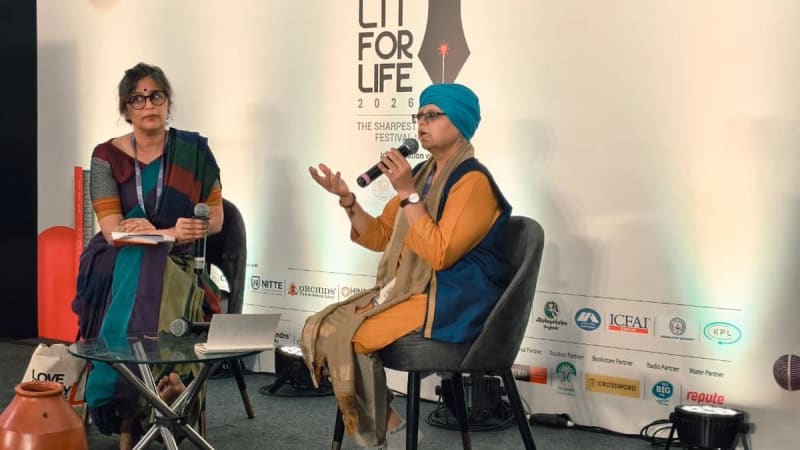
The ghatam player and author shared her journey at The Hindu Lit for Life festival in Chennai on Sunday. Her new book "Song of the Clay Pot" tells the story of this ancient percussion instrument and how it completely transformed her as a musician and person over 15 years.
The ghatam looks simple. It's a clay pot that musicians play with their hands. But Chandrashekar explains that unlike most instruments where one hand leads and the other supports, the ghatam demands equal skill from both hands. "What you do with your right, you do with your left too," she said. "This to me is a very profound thing."
That balance became crucial when COVID struck. For nearly a year, Chandrashekar couldn't even lift her ghatam. She journaled daily about what her body was going through, wrestling with one terrifying question: Will I be able to play again?
The road back wasn't quick. Reconnecting with her instrument became an entirely new journey, like learning all over again. But this time, something shifted. Without the pressure to reach a destination, she found joy in the journey itself.
Why This Inspires
Chandrashekar's story resonates beyond music because the pot itself is universal in Indian culture. It sits in kitchens and streets, holds memories and meaning. By writing about a musical pot, she gave voice to one of hundreds of similar instruments across India that carry cultural stories but often go unnoticed.
Her book isn't just for musicians. It's for anyone who has ever had to rebuild something they thought they'd lost. "This is the story of the making, breaking and everything about the pot," she explained to journalist Akhila Krishnamurthy.
The book also tackles difficult truths about patriarchy and hierarchy within traditional Indian music. Chandrashekar doesn't shy away from the social and political challenges that come with playing this instrument.
Through 15 years of training, countless performances, and one devastating illness, the ghatam taught Chandrashekar to recognize the potential in both sides of her body and both sides of every experience. Her transformation proves that sometimes the most profound healing comes not from medicine, but from reconnecting with what makes us whole.
Based on reporting by The Hindu
This story was written by BrightWire based on verified news reports.
Spread the positivity!
Share this good news with someone who needs it