Myanmar's Shape-Shifting Snake Baffles Scientists
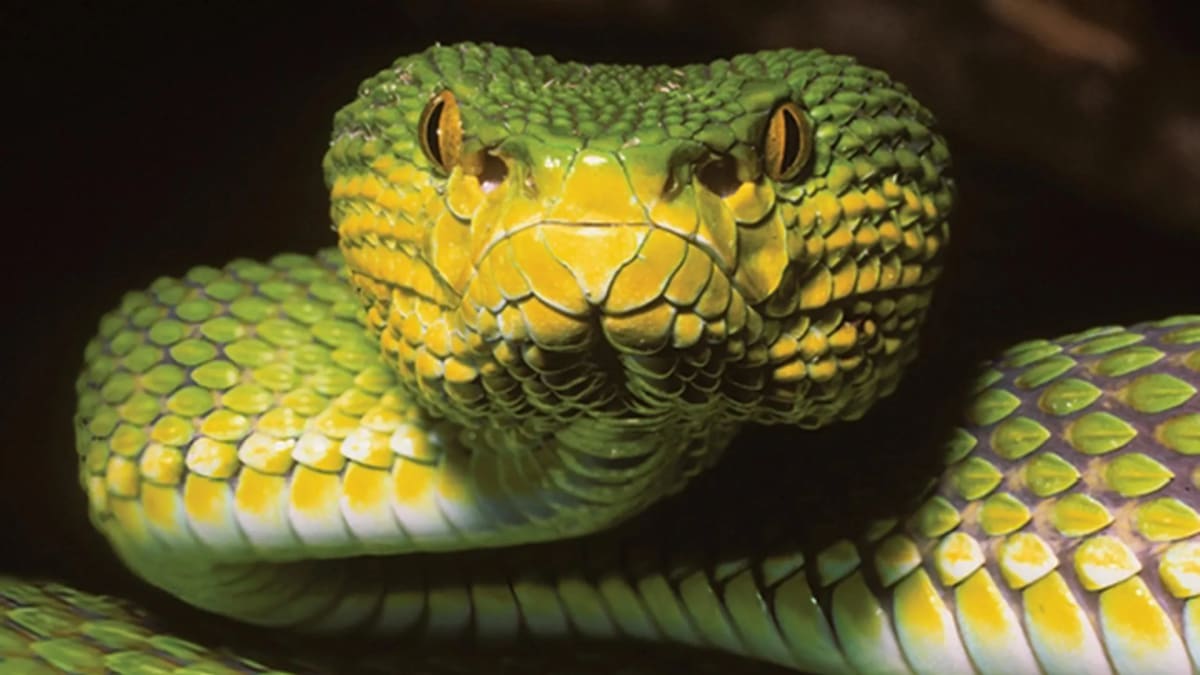
Scientists discovered a new pit viper species in Myanmar that looks like a chameleon of the snake world, sometimes resembling one species, sometimes another, and often something in between. The Ayeyarwady pit viper turned out to be its own distinct species with wildly variable looks.
Scientists just discovered a snake in Myanmar that seems to break the rules of what a species should look like.
The newly named Ayeyarwady pit viper initially baffled researchers because it appeared to be several different snakes at once. Some individuals are dark green with bold blotches running down their backs. Others are bright green without any markings at all. A few fall somewhere in between.
Dr. Chan Kin Onn from the University of Kansas led the research team that studied these mysterious snakes. They live in central Myanmar, sandwiched between two well-known relatives: the bright green, unmarked redtail pit viper to the north and the dark, blotchy mangrove pit viper to the south.
At first, the team thought they were looking at hybrid snakes created when the two neighboring species bred together. But genetic testing revealed something far more interesting.
The snakes weren't hybrids at all. They were their own unique species that just happened to look incredibly different from one population to the next.
"This mysterious population in central Myanmar baffled us," the researchers explained. Some populations of the new species look nearly identical to the redtail pit viper, while others clearly stand apart with their distinctive patterns.
The team believes that at some point in the past, the Ayeyarwady pit viper may have exchanged genes with both neighboring species. This genetic mixing could explain why some populations share traits with their northern cousins while others resemble their southern neighbors.
The snake takes its name from the Ayeyarwady River, one of Myanmar's most important waterways. The river's delta and surrounding basins mark the boundaries where this shape-shifting serpent makes its home.
Why This Inspires
This discovery reminds us how much we still have to learn about the natural world, even when it comes to creatures living right under our noses. The Ayeyarwady pit viper challenges our tidy categories and shows that nature often operates in shades of gray rather than black and white.
The finding also highlights the importance of looking deeper than surface appearances. What seemed like a confusing mix of known species turned out to be something entirely new, patiently waiting to be understood.
Nature continues to surprise us with its creativity and complexity.
Based on reporting by Science Daily
This story was written by BrightWire based on verified news reports.
Spread the positivity!
Share this good news with someone who needs it