Nagaland Turns Tortoise Hunters Into Conservation Heroes
In India's remote Nagaland state, communities that once hunted Asia's largest tortoise now serve as its dedicated guardians. A breeding program that started with just 13 rescued tortoises has produced 114 babies, half the species' entire wild population.
Young men and women in northeastern India are waking up each morning to protect an animal their communities once ate for dinner.
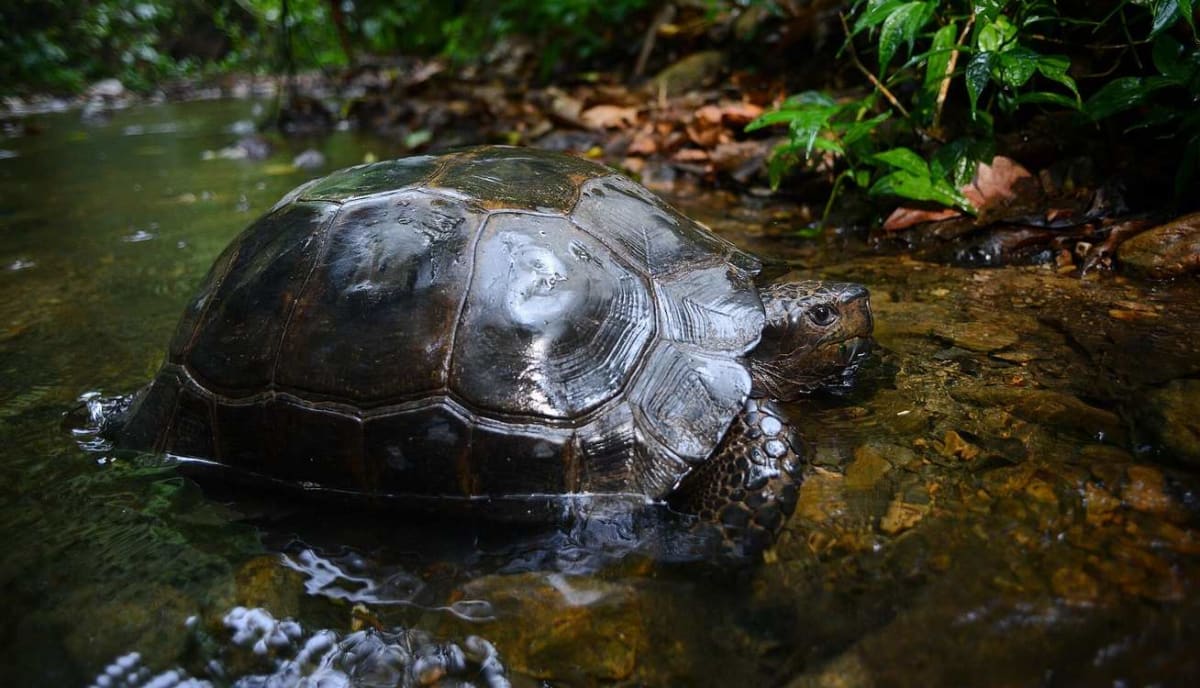
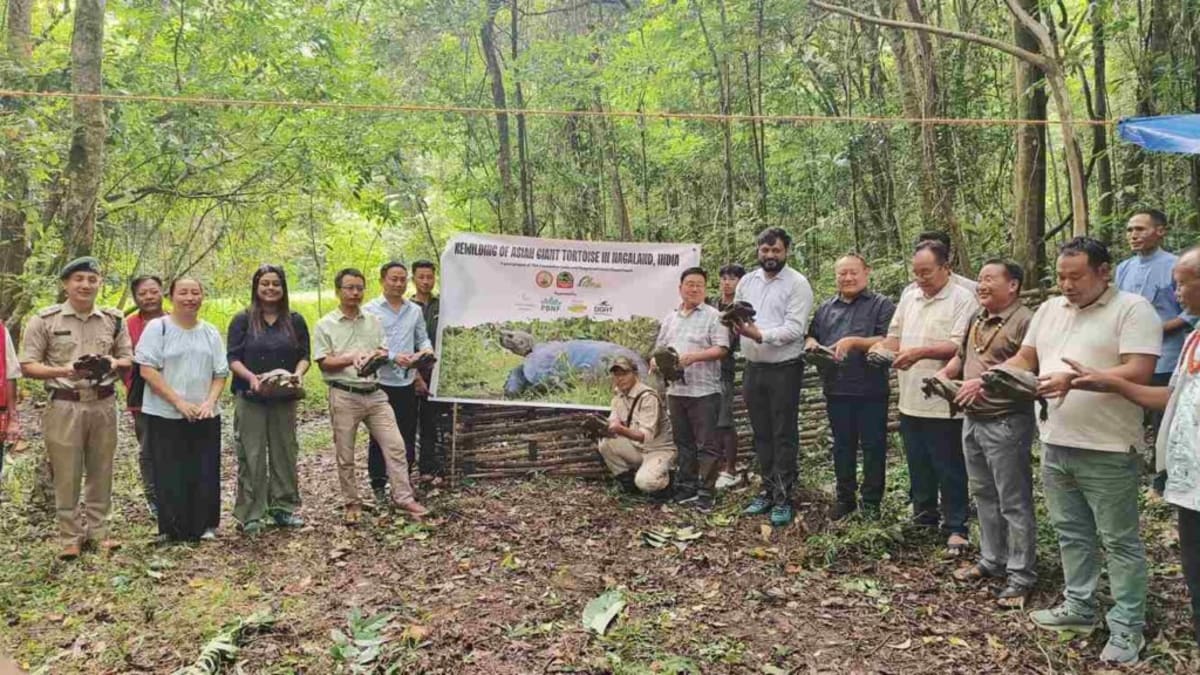
The Asian giant tortoise, mainland Asia's largest tortoise species, was heading toward extinction when the Nagaland Zoological Park launched a desperate rescue effort. They started with just 13 tortoises, some confiscated from local markets and others donated by villagers who had kept them as pets.
That small group of seven females and six males has now produced 114 offspring. That's half as many tortoises as scientists estimate exist in the wild across all of Asia.
The real magic isn't just happening in the breeding facility. It's unfolding in the forests of Nagaland, where local "Tortoise Guardians" now track and protect the animals in community reserves.
Every morning at 8 a.m., 33-year-old Iteichube pulls on his olive drab "Tortoise Guardian" shirt and heads into the 370-hectare Old Jalukie Conservation Reserve. He looks for nibbled leaves and depressed ground that signal tortoise activity. He watches for the remarkable leaf mounds, sometimes seven feet tall, where these giants lay their eggs.
Previous government reintroduction programs failed completely. But this community-led approach creates nearly one-to-one relationships between guardians and tortoises, and the difference is stunning.
"We started by simply tracking them, but today we realize how important they are in keeping our forest vibrant and alive," Iteichube says.
The Ripple Effect
Nagaland's remote location, once seen as a weakness, became its conservation superpower. The state contains 407 community forest reserves, representing 50% of all such reserves in India and covering 80% of Nagaland territory.
This hands-on model is now spreading to neighboring Manipur, which recently hatched its first clutch of artificially incubated Asian giant tortoises. Local elders remember childhood days riding these gentle giants along forest paths, memories they thought were gone forever.
Shailendra Singh, Director of the Turtle Survival Alliance Foundation India, credits the transformation to community buy-in. "The community that once exploited them was sensitized to restore and nurture the species back from the brink," he told the Revelator.
The shift from hunters to guardians didn't happen overnight, but it happened authentically. These aren't outside conservationists parachuting in with theories. These are local people protecting their forests and reclaiming a relationship with wildlife they thought was lost.
The next generation of Nagaland children might grow up with the same storybook privilege their grandparents enjoyed, watching giant tortoises lumber through the forest.
More Images
Based on reporting by Good News Network
This story was written by BrightWire based on verified news reports.
Spread the positivity!
Share this good news with someone who needs it