Nagasaki Honors 202,053 A-Bomb Victims in Annual Ritual
City workers in Nagasaki carefully preserve 206 books containing the names of every atomic bombing victim through an annual ritual of remembrance. The ceremony blends practical preservation with profound respect for those lost 79 years ago.
Every May, before Japan's rainy season arrives, city workers in Nagasaki perform a ritual that honors the past while protecting it for the future.
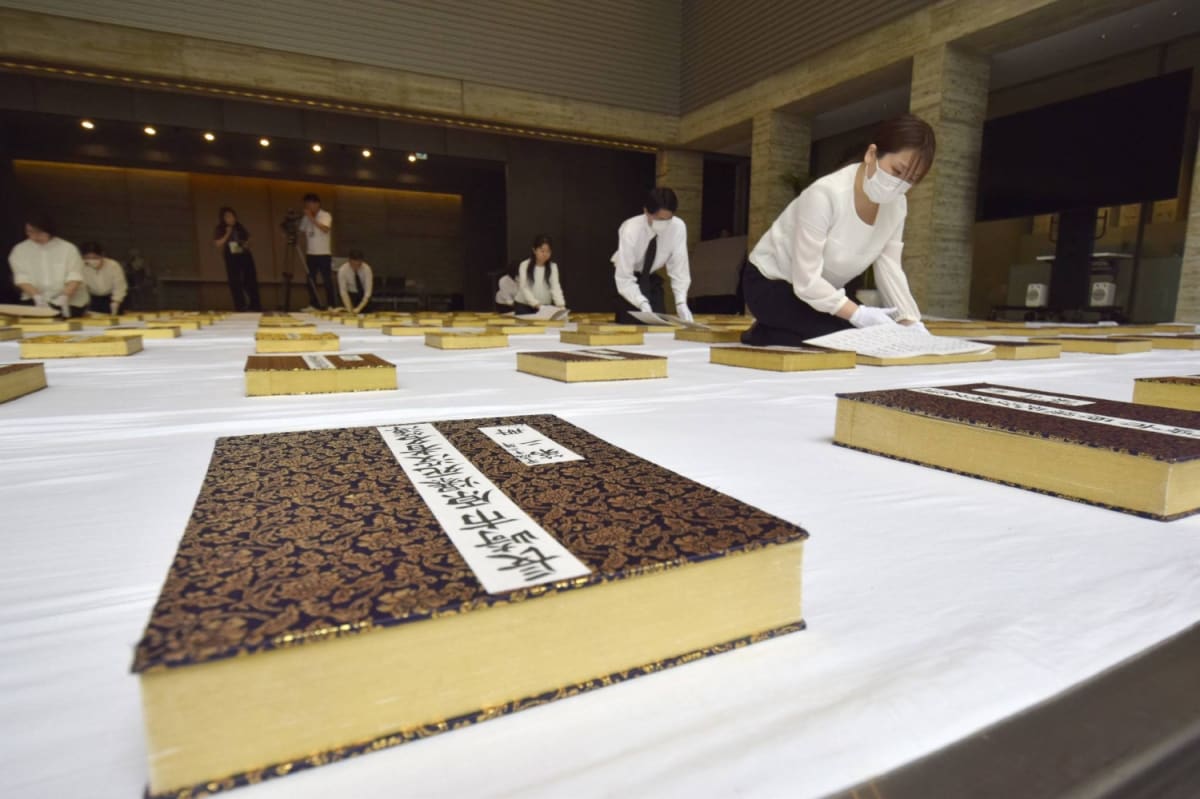
At the Nagasaki National Peace Memorial Hall, employees opened 206 books containing the names of 202,053 people who died from the atomic bombing on August 9, 1945. The annual ventilation removes moisture from the pages, preserving them for generations to come.
The ceremony began at 11:02 a.m., the exact moment the bomb fell on the city. Workers stood in silent prayer before beginning their careful work, turning each page by hand to check for damage while exposing the paper to air.
The register holds more than just names. Each entry includes the victim's age and date of death, creating a permanent record of individual lives cut short or forever changed by that single moment in history.
Last year alone, officials added 3,173 newly confirmed victims to the books. These additions reflect ongoing research and families coming forward decades later, showing how the bombing's effects continue to ripple through time.
Why This Inspires
This quiet annual practice demonstrates how communities can hold space for grief while looking toward hope. The workers don't just preserve paper—they preserve memory, ensuring that each person is remembered as an individual, not a statistic.
One book specifically honors Hiroshima victims whose families chose to memorialize them in Nagasaki, creating a bridge between the two cities forever linked by tragedy. Another volume remembers those whose names were never learned, ensuring even unknown victims aren't forgotten.
The ceremony transforms practical preservation into something sacred. By timing it before the rainy season, Nagasaki protects these records while creating an annual moment for the entire community to pause and remember.
This tradition proves that remembering loss and embracing hope aren't opposites—they're partners in healing.
More Images

Based on reporting by Japan Times
This story was written by BrightWire based on verified news reports.
Spread the positivity!
Share this good news with someone who needs it