Nairobi's Electric Bus Boom: 25,000 EVs in 3 Years
In Kenya's capital, commuters are choosing electric buses and motorcycle taxis that cost less and run quieter than traditional vehicles. The country's electric vehicle fleet exploded from under 800 to 25,000 in just three years.
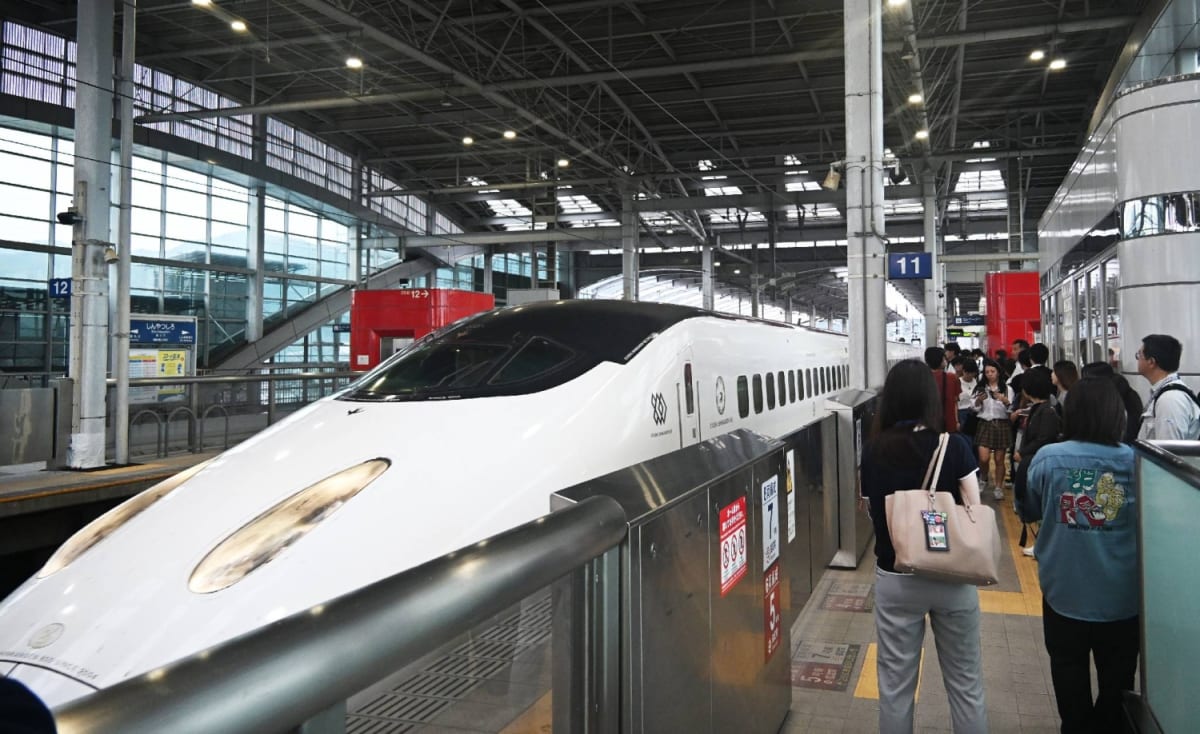
Anne Kituku watches the loud, exhaust-spewing minibuses zip past her every evening, but she waits patiently for the quiet white electric bus that saves her money on every trip home.
For the Nairobi cleaner who earns $123 monthly, those savings of 8 to 15 cents per ride add up quickly. With fuel prices up 40% since 2022 and traditional bus fares jumping 25%, her electric bus choice is getting easier.
Kenya is leading an African electric vehicle revolution that's taking a different path than the West. While Europe and America focus on electric cars, Kenya has embraced two-wheelers in a big way.
Between 2022 and 2025, the country's EV count surged from fewer than 800 to nearly 25,000. That's a 32-fold increase in just three years.
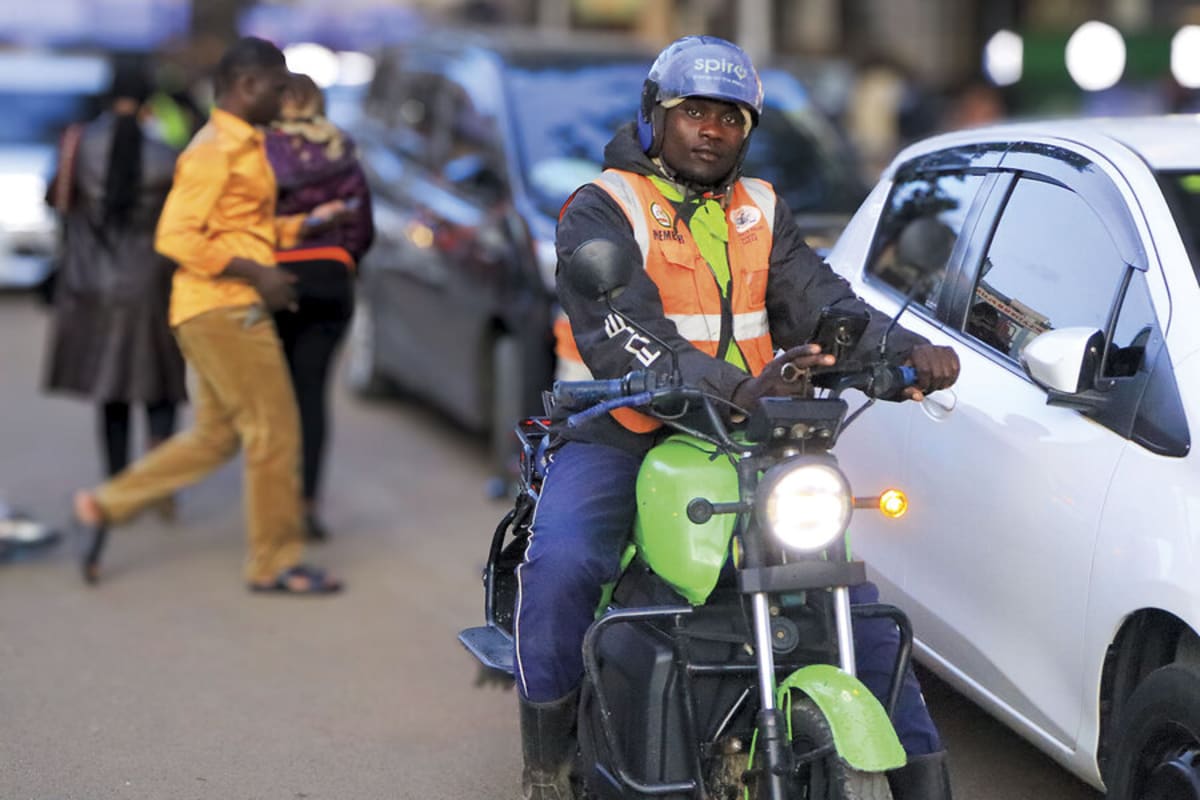
Motorcycle taxi driver Jacob Sikunyi switched to electric and never looked back. He now spends one-third as much charging his bike as he used to spend on petrol, letting him charge customers 10% to 20% less per ride.
At least 90% of Kenya's registered electric vehicles are motorcycles. These electric boda bodas now make up 40% of all motorbikes on the ride-hailing app Bolt.
Government policies are speeding the shift. Import duty waivers on parts and cheaper electricity rates for charging make going electric more attractive for drivers scraping by in Nairobi's informal transport sector.
The upfront costs still sting. Sikunyi's electric motorbike cost twice what a gas-powered one would have, while bus operator George Githinji paid seven times more for his electric fleet than traditional buses would have cost.
Most of Kenya's EVs come from China as build-it-yourself kits assembled locally. These cheaper options are making electrification possible for working-class drivers, not just wealthy car buyers.
The Ripple Effect
The electric vehicle boom is cleaning Nairobi's air while putting money back in drivers' pockets. Analysts see transport electrification as a double win: lower costs for consumers struggling with soaring fuel prices and cleaner air for a city choking on exhaust fumes.
Bus operators like Githinji aren't counting on price alone to keep customers coming. His electric buses offer smartphone apps for advance payment, real-time arrival tracking, and predictable schedules that the chaotic traditional minibuses can't match.
The quiet rides and newer vehicles are luxuries Nairobi commuters didn't know they were missing. Even as charging costs creep up 16% since 2022, the comfort and reliability keep passengers like Kituku choosing electric.
Kenya pledged to make 100% of new vehicle sales fully electric by 2040, one of few African nations to commit so boldly. With motorcycle taxis leading the charge and buses following close behind, that goal looks more achievable every day on Nairobi's streets.
More Images


Based on reporting by Google News - Electric Vehicle
This story was written by BrightWire based on verified news reports.
Spread the positivity!
Share this good news with someone who needs it