Namibia Beats Cholera: 39 Cases, Zero Deaths, All Recovered
A cholera outbreak in Grootfontein, Namibia has been contained with all patients successfully treated and only two remaining in care. The community's rapid response turned a potential crisis into a public health win.
When cholera struck Namibia's Grootfontein community in November, health officials acted fast and just saved every single life.
The outbreak began in the Kap n Bou informal settlement on November 19th. Within weeks, 39 confirmed cases and 108 suspected cases spread across multiple neighborhoods including Soweto Location, Build Together, and Blikkiesdorp.
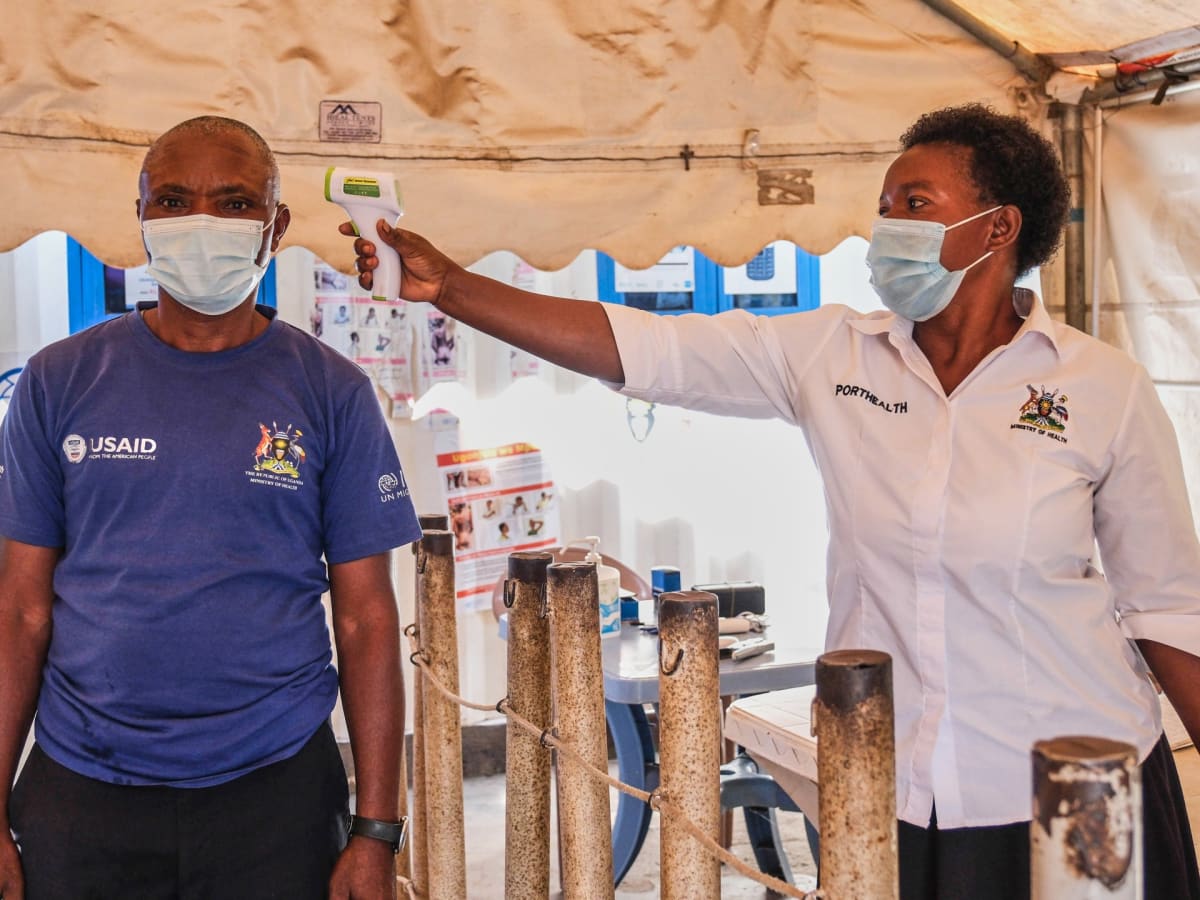
But here's the remarkable part: as of this week, only two patients remain in quarantine while all others have been successfully treated and discharged. Zero deaths. Zero infections among medical staff.
Dr. Martinus Shaninga, senior medical officer at Grootfontein State Hospital, credits the quick establishment of a dedicated cholera treatment centre. The new facility isolated cases in a controlled environment, stopping transmission in its tracks.
The government immediately tackled the root cause by installing five water taps and three large water tanks holding 10,000 litres each in Kap n Bou. Clean water access helps prevent cholera, which spreads through contaminated water and causes severe dehydration.
What started as a solo health ministry operation transformed into a community-wide effort. The Otjozondjupa Regional Council, Grootfontein Municipality, and security forces joined forces last week to contain and eliminate the disease completely.
Schools became awareness hubs where teachers and students learned symptoms and prevention methods. Leaflets distributed door-to-door taught families proper hygiene and how to care for sick relatives safely.
The Ripple Effect
The impact reaches beyond medicine into daily life. Esther Shalihu, a 55-year-old resident, says information about cholera is now "everywhere" on social media and at community meetings. Handwashing with soap has become normal practice in her household, and people avoid handshakes as nurses advised.
Regional councillor Nelao Amagulu emphasized that education remains the priority, ensuring entire communities understand how to protect themselves. The awareness campaigns created a culture shift where prevention became everyone's responsibility.
Mayor Morits Geingob acknowledged the town's infrastructure challenges. The sewage system built in the 1960s for 3,000 people now serves nearly 40,000 residents. Plans to extend sewage lines to Kap n Bou are underway, addressing long-term sanitation needs.
Regional council chairperson Paulus Nekundi outlined the two-step plan: total containment followed by complete elimination from the community. With cases dropping from dozens to just two, that goal looks achievable.
This outbreak could have devastated Grootfontein, but swift action, clean water, community education, and excellent medical care turned fear into a template for success.
Based on reporting by AllAfrica - Health
This story was written by BrightWire based on verified news reports.
Spread the positivity!
Share this good news with someone who needs it