Namibia Hospital Cuts Maternal Deaths 83% in 28 Years
A Namibian hospital has slashed maternal deaths from over 400 per 100,000 births in 1998 to just 70 today, beating a global 2030 target four years early. The transformation shows what's possible when healthcare facilities commit to putting mothers and babies first.
Onandjokwe Intermediate Hospital in Namibia has pulled off something remarkable: reducing maternal deaths by 83% over nearly three decades while transforming into a model healthcare facility for the entire region.
The numbers tell a powerful story. In 1998, the hospital recorded over 400 maternal deaths per 100,000 live births. By 2026, that figure dropped to just 70 per 100,000, meeting the United Nations' Sustainable Development Goal for 2030 a full four years ahead of schedule.
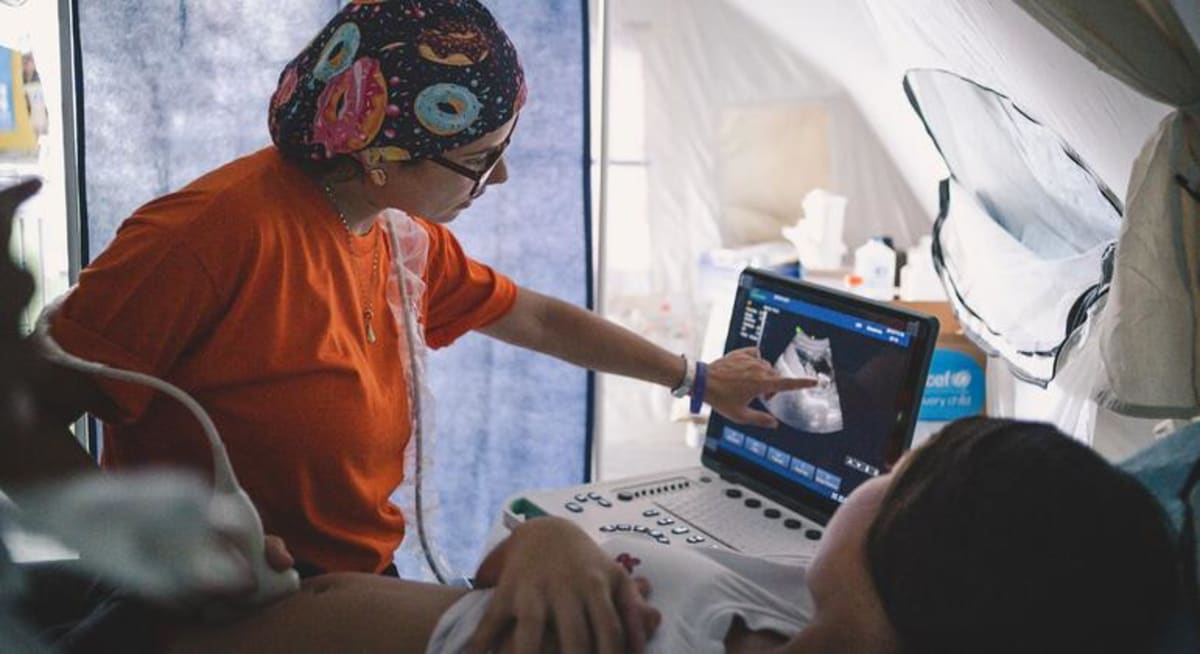
Health Minister Esperance Luvindao celebrated the milestone at the opening of the hospital's newly upgraded maternity unit on Friday. The 120-bed facility features 12 private rooms and two operating theatres designed for emergency obstetric care, ensuring mothers get the specialized attention they need when complications arise.
The improvements extend far beyond maternal health. Medical Superintendent Dr. Siraji Rwehumbiza shared that neonatal deaths plummeted from 25 per 1,000 live births in 2016 to just 8.8 per 1,000 in 2025. Survival rates in the neonatal intensive care unit jumped dramatically, with mortality dropping from 70% in 2017 to 17.7% today.
Patients are experiencing better care across the board. Wait times in the outpatient department have collapsed from three days in 2009 (when people had to sleep at the hospital) to just four hours now. Average hospital stays have been cut in half from 14 days to six, thanks in part to minimally invasive surgical techniques that sometimes allow patients to go home after just one day.
The Ripple Effect
The hospital's transformation required serious investment in people. Over the past decade, the workforce has grown from 15 to 125 staff members. The dental team expanded from one dentist to eight. Registered nurses increased from 75 to 298, with 264 enrolled nurses joining the team. The facility now employs nine pharmacists and nine radiographers.
This growth is creating opportunities beyond patient care. The hospital earned accreditation to train general surgery specialists through The College of Surgeons in East, Central and Southern Africa. Accreditation for anesthesia training is currently underway, positioning Onandjokwe as a teaching hospital that will shape the next generation of medical professionals across the region.
Overall institutional mortality now sits at 3.8%, below the international benchmark of 4% to 6%. Dr. Rwehumbiza credits strong leadership and dedication from the entire staff for establishing Onandjokwe as a leading model for maternal and child healthcare in Namibia.
The hospital's journey proves that dramatic improvements in healthcare outcomes are possible even in resource-limited settings when facilities prioritize maternal and child health, invest in skilled professionals, and commit to continuous improvement.
More Images


Based on reporting by AllAfrica - Health
This story was written by BrightWire based on verified news reports.
Spread the positivity!
Share this good news with someone who needs it