Namibia Tests Hydrogen-Powered Train on Major Route
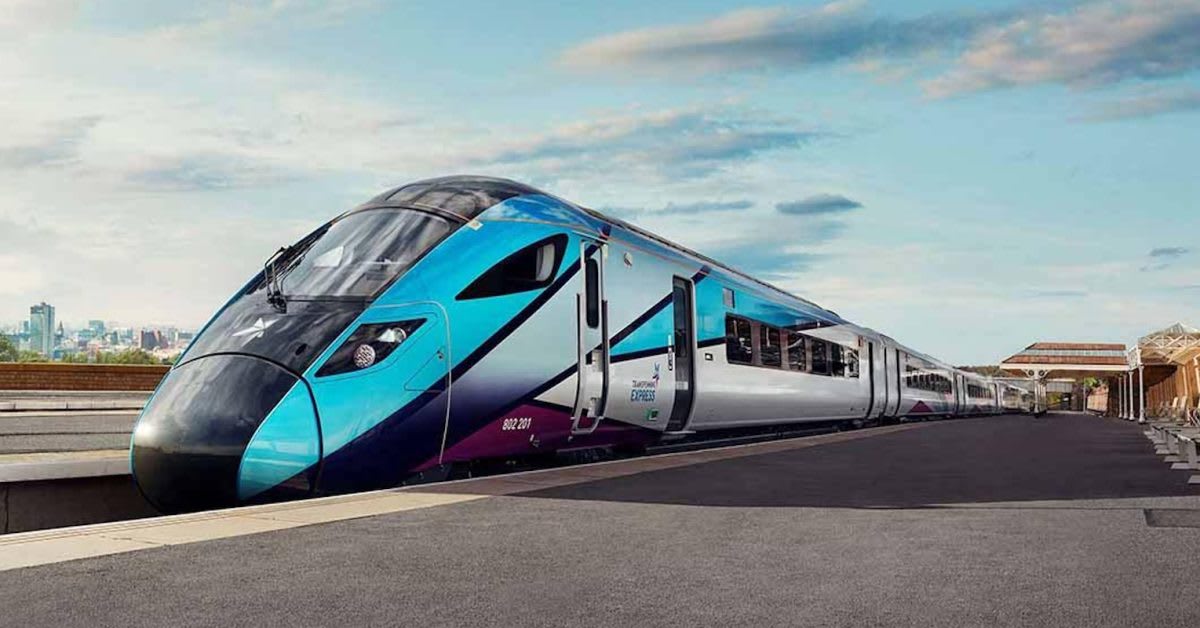
Namibia's national rail company is launching a six-month trial of Africa's first hydrogen-diesel locomotive, testing cleaner technology on one of the country's busiest freight corridors. The pilot could transform how the continent moves goods while slashing transportation emissions.
A train powered by hydrogen is about to roll through the Namibian desert, and it could change the future of African rail transport.
TransNamib, Namibia's state-owned railway operator, just received approval to test a dual-fuel locomotive that runs on both hydrogen and diesel. The six-month trial will cover roughly 50 round trips between the coastal city of Walvis Bay and the capital, Windhoek.
CEO Desmond van Jaarsveld calls it a major step toward cleaner rail transport. The company wants to see how hydrogen technology performs in real-world conditions before making bigger commitments.
TransNamib is partnering with CMB.Tech, a local hydrogen specialist, to handle the technical side. The maritime company will manage hydrogen storage, refueling infrastructure, and safety protocols while TransNamib trains its staff on the new fuel system.
The trial will measure everything from fuel consumption and reliability to maintenance costs and operational efficiency. TransNamib's entire fleet currently runs on conventional diesel, so the data will help determine whether dual-fuel technology makes sense financially and practically.
Namibia's climate presents unique challenges. The country experiences extreme temperatures and harsh desert conditions, making it an excellent testing ground for hydrogen technology that could eventually spread across Africa.
The Ripple Effect
If the trial succeeds, it could unlock cleaner freight transport across southern Africa. Rail corridors connect landlocked countries to ports, and hydrogen-powered trains would cut emissions while moving the goods that keep regional economies humming.
The project also positions Namibia as a green technology leader on the continent. The country has been investing heavily in renewable energy and sees hydrogen as a cornerstone of its economic future.
Van Jaarsveld emphasized that the long-term viability depends on hydrogen costs and availability. But even testing the technology sends a signal that cleaner alternatives exist for one of transportation's dirtiest sectors.
TransNamib plans to keep its board and government updated throughout the trial. Depending on results, the company might convert portions of its fleet to dual-fuel technology, gradually reducing its carbon footprint while maintaining the reliability freight customers demand.
A hydrogen-powered train crossing the Namibian desert is more than a test run—it's a glimpse of what sustainable African infrastructure could look like.
More Images


Based on reporting by AllAfrica - Innovation
This story was written by BrightWire based on verified news reports.
Spread the positivity!
Share this good news with someone who needs it