Namibia Women Use Birds to Build Community Hope
In Namibia's drought-stricken Karas region, women and youth are turning bird conservation into a powerful tool for bringing families together and teaching resilience. Their grassroots projects prove that protecting nature can strengthen communities just as much as ecosystems.
When a child watches a weaverbird return to a reed bed their community protected, they learn something more valuable than biology—they learn that small acts of care can triumph over big challenges.
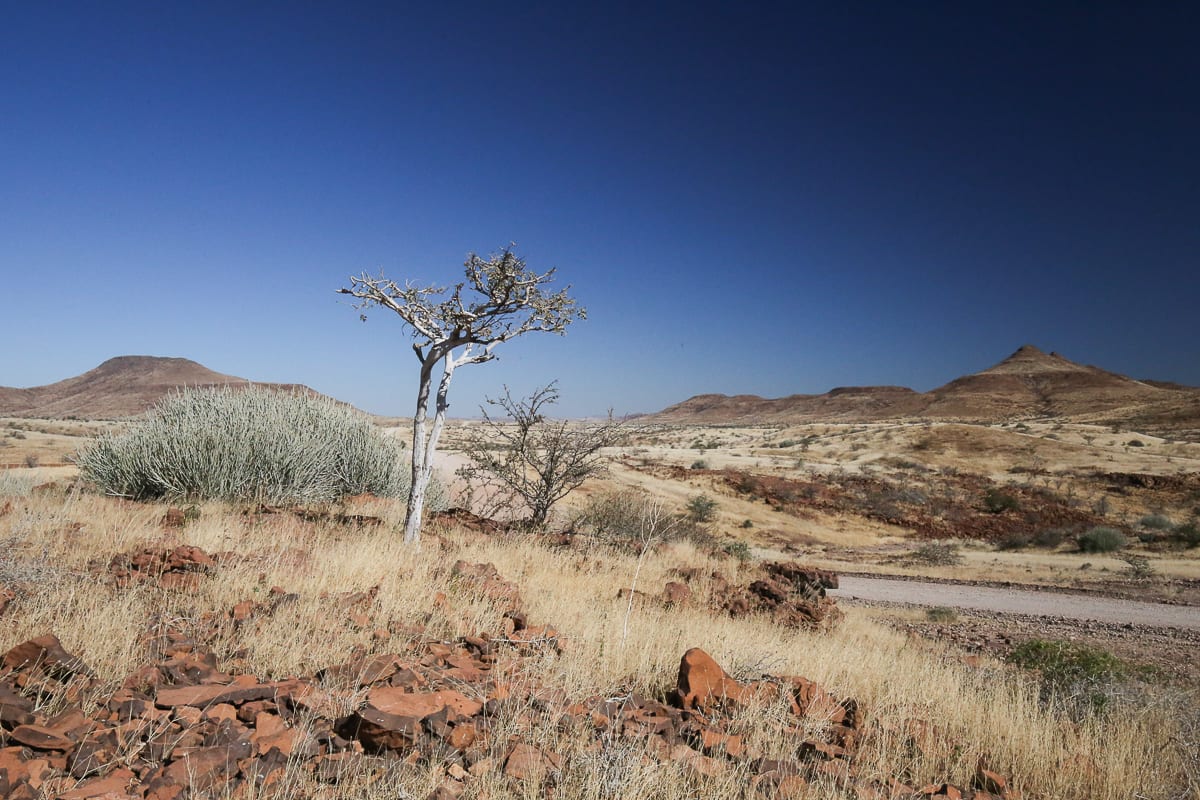
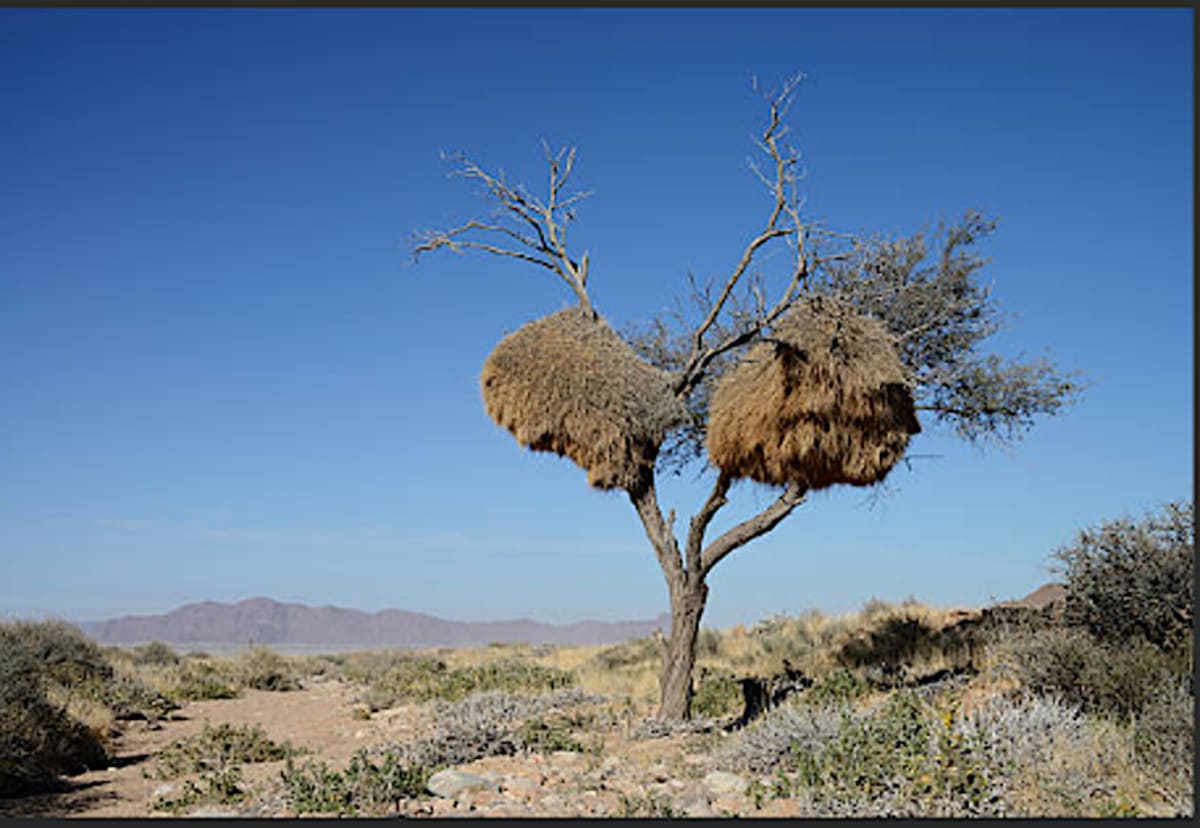
In Namibia's Karas region, bird conservation has become an unexpected source of strength for families facing droughts and environmental stress. Parents and children work side by side, restoring nesting sites and planting native vegetation that helps species like sociable weavers and pale chanting goshawks survive in the harsh landscape.
Young women are leading the charge in ways that would surprise traditional conservationists. One group organized bird walks for schoolchildren, teaching species identification while building confidence in their peers. Their message is clear: you don't need a science degree to make a difference.
These projects do something remarkable beyond protecting wildlife. In communities where drought and land degradation typically drive people apart, bird conservation has become a reason to gather. Families monitor nests together, share stories, and celebrate when birds return to restored habitats.
The ecological benefits matter too. Protecting bird habitats safeguards pollination, seed dispersal, and pest control that local farmers depend on. But the emotional strength these projects build might be just as important for communities facing climate uncertainty.
Why This Inspires
This story challenges how we think about conservation. It's not just scientists in labs or rangers in parks making the difference. It's everyday people finding hope and connection through simple acts of caring for the natural world around them.
Martha Karas, a local writer documenting these efforts, argues that funders and policymakers need to see these projects differently. They're not just about saving birds—they're investments in community wellbeing that happen to protect biodiversity at the same time.
The approach works because it recognizes what traditional conservation often misses: people need belonging and purpose as much as they need resources. When communities come together to protect something fragile and beautiful, they're also protecting each other.
As climate pressures increase across Africa and beyond, the Karas model offers a roadmap. Resilience grows through shared action, through teaching children to care, and through celebrating small victories together.
Every protected nest represents more than one bird species surviving—it's proof that communities can face uncertainty with collective hope instead of isolation.
More Images
Based on reporting by Mongabay
This story was written by BrightWire based on verified news reports.
Spread the positivity!
Share this good news with someone who needs it