NASA Adds 2027 Test Flight Before Moon Landing in 2028
NASA just announced a smarter path back to the moon, adding a crucial test flight in 2027 before attempting a lunar landing in 2028. The change means astronauts will practice docking with a lunar lander in orbit first, dramatically reducing risks and increasing chances of success.
America's return to the moon just got a safety upgrade that could make all the difference.
NASA Administrator Jared Isaacman announced a major shift in the Artemis program on Friday, revealing that astronauts will now complete an essential test flight in 2027 before attempting to land on the lunar surface in 2028. The decision adds a critical safety step that mirrors the careful progression of the historic Apollo missions.
The new plan inserts an orbital docking test between the upcoming Artemis II moon flyby and the eventual lunar landing. In mid-2027, astronauts will launch into low-Earth orbit and practice connecting their Orion capsule with a lunar lander built by either SpaceX or Blue Origin.
This might sound like a delay, but it's actually the opposite of one. NASA is choosing the smart path over the fast path.
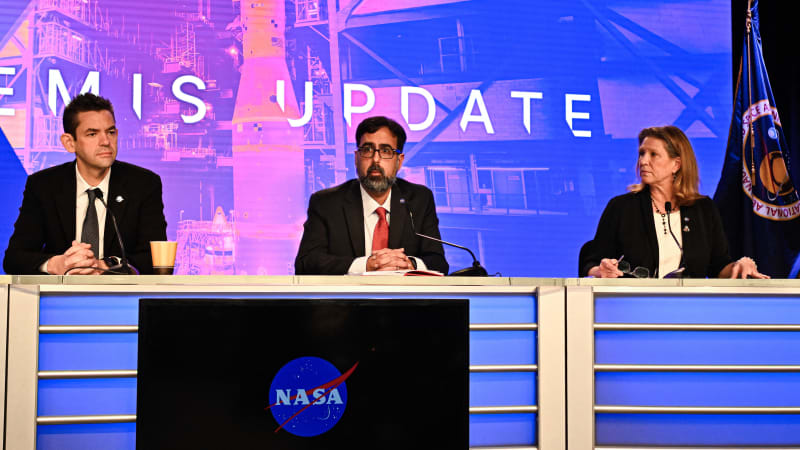
"Right now our program is essentially set up with Apollo 8 then going right to the moon," Isaacman explained at the Kennedy Space Center news conference. "That is not a pathway to success."
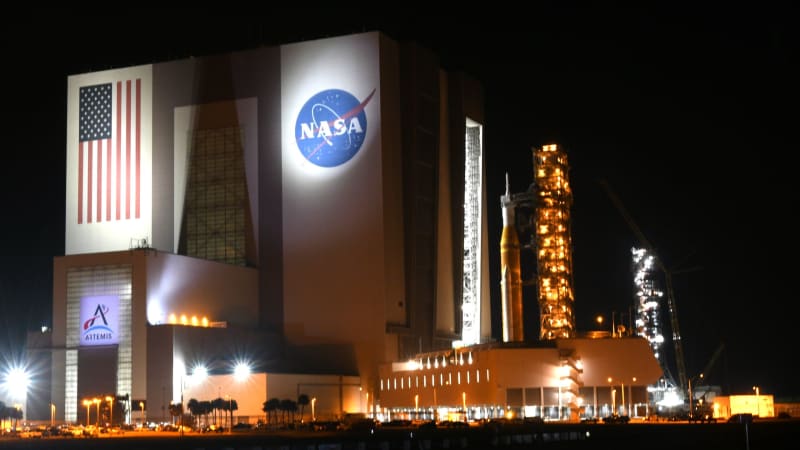
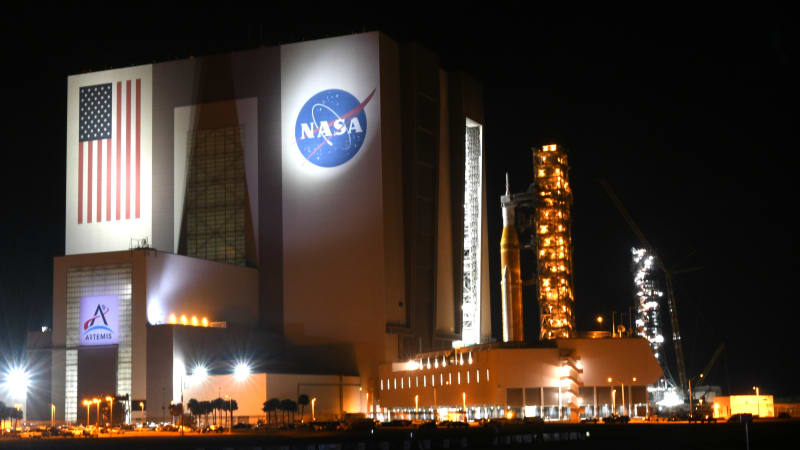
The decision came after engineers discovered a helium leak in the rocket's upper stage, forcing them to roll the massive Space Launch System back to the Vehicle Assembly Building. Combined with previous hydrogen leaks and questions about technology readiness, NASA realized they needed to test more before risking everything on one ambitious landing attempt.
The adjustment takes a page directly from Apollo's playbook. Before Apollo 11 landed on the moon, Apollo 9 spent ten days testing the same docking maneuver in Earth orbit. That practice run helped ensure success when it mattered most.
Why This Inspires
This decision shows real leadership choosing wisdom over speed. NASA could have pushed forward with the original timeline, hoping everything would work perfectly on the first try. Instead, they're building confidence through proven steps.
The 2027 test flight will let crews practice handling the lunar lander, test communications systems, try out spacesuits, and perfect the tricky rendezvous procedures. All in the relative safety of Earth orbit, where help is hours away instead of days.
Even with the added mission, NASA plans to maintain an ambitious schedule. Isaacman said the agency aims to launch missions about ten months apart, matching the rapid pace that took Apollo from Earth orbit to the moon's surface in just months.
After the 2028 landing, now renamed Artemis IV, NASA intends to continue annual lunar launches into the future. The agency is also rebuilding its workforce and restoring core capabilities that will support long-term exploration.
The approach balances ambition with caution, speed with safety. NASA still aims to return Americans to the lunar surface before any other nation, particularly China, but they're doing it the right way.
Sometimes the fastest way forward is the one that takes time to get it right.
More Images


Based on reporting by Live Science
This story was written by BrightWire based on verified news reports.
Spread the positivity!
Share this good news with someone who needs it