NASA AI Finds 7,000 Possible Planets in Public Data
NASA just released free software that lets anyone hunt for new planets using artificial intelligence. The updated tool already identified 7,000 potential new worlds in data from the TESS space telescope.
Imagine having the power to discover a new planet from your own computer, using the same tools NASA scientists use.
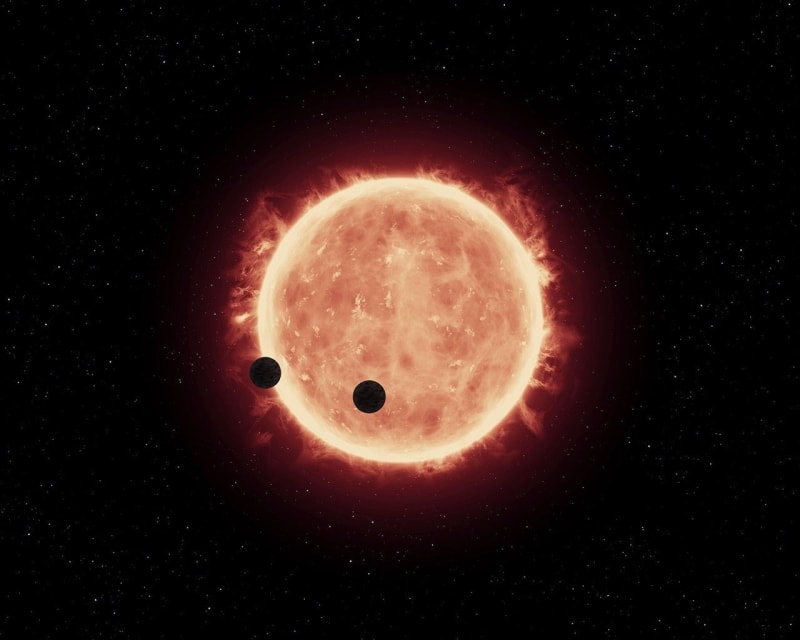
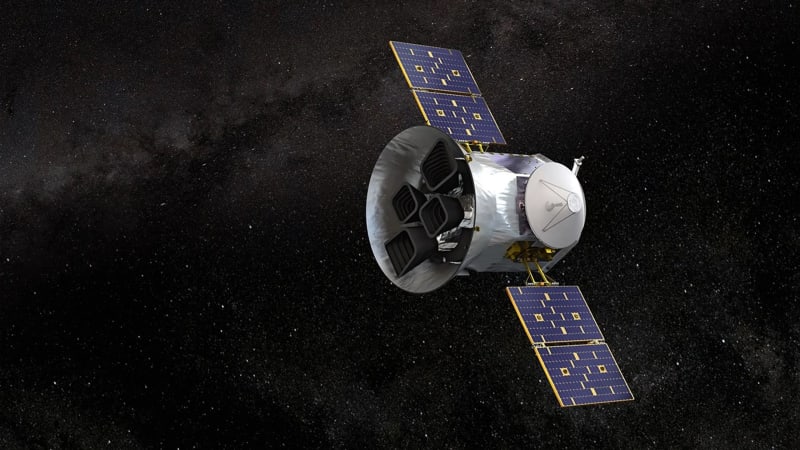
That's now possible thanks to ExoMiner++, a free software package NASA just released that uses artificial intelligence to find planets orbiting distant stars. The original version, ExoMiner, already validated 370 new planets from older Kepler telescope data. Now the upgraded model works with fresher observations from NASA's TESS satellite, and it's finding thousands more candidates.
The team at NASA's Ames Research Center in California trained the AI on data from both space telescopes. On its first run through TESS observations, ExoMiner++ flagged 7,000 signals as likely planets. These candidates still need confirmation from other telescopes, but the AI does the heavy lifting of sorting through hundreds of thousands of signals to find the promising ones.
"When you have hundreds of thousands of signals, like in this case, it's the ideal place to deploy these deep learning technologies," said Miguel Martinho, co-investigator for the project. The software separates real planet transits from lookalike events such as eclipsing binary stars.
Anyone can now download ExoMiner++ from GitHub and start searching through NASA's public data archives. Both Kepler and TESS datasets are freely available, containing years of observations that likely hide many undiscovered worlds. Scientists have already confirmed over 6,000 exoplanets, with more than half coming from these two missions, but researchers believe many more are waiting to be found.
The Ripple Effect spreads beyond just finding new planets. When NASA releases tools like this as open-source software, it speeds up discovery across the entire scientific community. Researchers worldwide can now replicate results, improve the methods, and dig deeper into the data without starting from scratch.
"Open-source software like ExoMiner accelerates scientific discovery," said Kevin Murphy, NASA's chief science data officer. The approach aligns with NASA's commitment to what they call Gold Standard Science, making both data and tools publicly available.
The team is already working on the next version, which will identify planet signals directly from raw data instead of needing a pre-screened list. Future missions like NASA's Nancy Grace Roman Space Telescope will capture tens of thousands more planet transits, and all that data will be publicly available too.
The software proves that powerful scientific tools don't need massive resources to make major discoveries, and now those tools belong to everyone.
More Images


Based on reporting by NASA
This story was written by BrightWire based on verified news reports.
Spread the positivity!
Share this good news with someone who needs it