NASA and IBM Launch Free AI to Unlock Moon Secrets
NASA and IBM just released a free AI tool that can sift through decades of moon data in a fraction of the time it takes human researchers. The model is already helping scientists map craters, find volcanic features, and hunt for water ice near the lunar poles.
After decades of studying the moon, NASA has gathered more data from its Lunar Reconnaissance Orbiter alone than from all its other planetary missions combined. Now, an AI tool is helping scientists make sense of it all.
NASA and IBM just launched the NASA-IBM Lunar Foundation Model, a free, open-source AI designed to analyze mountains of lunar data. The tool is already available for anyone to use on Hugging Face.
"NASA has spent decades building an extraordinary scientific record of the moon, but collecting data is only part of the job," said Kevin Murphy, NASA's chief science data officer. The real challenge has been turning that information into discoveries.
The AI model tackles tasks that would take researchers countless hours. It maps impact craters, identifies young volcanic features, and models where water ice might hide near the lunar poles. All of this happens in a fraction of the time human analysis would require.
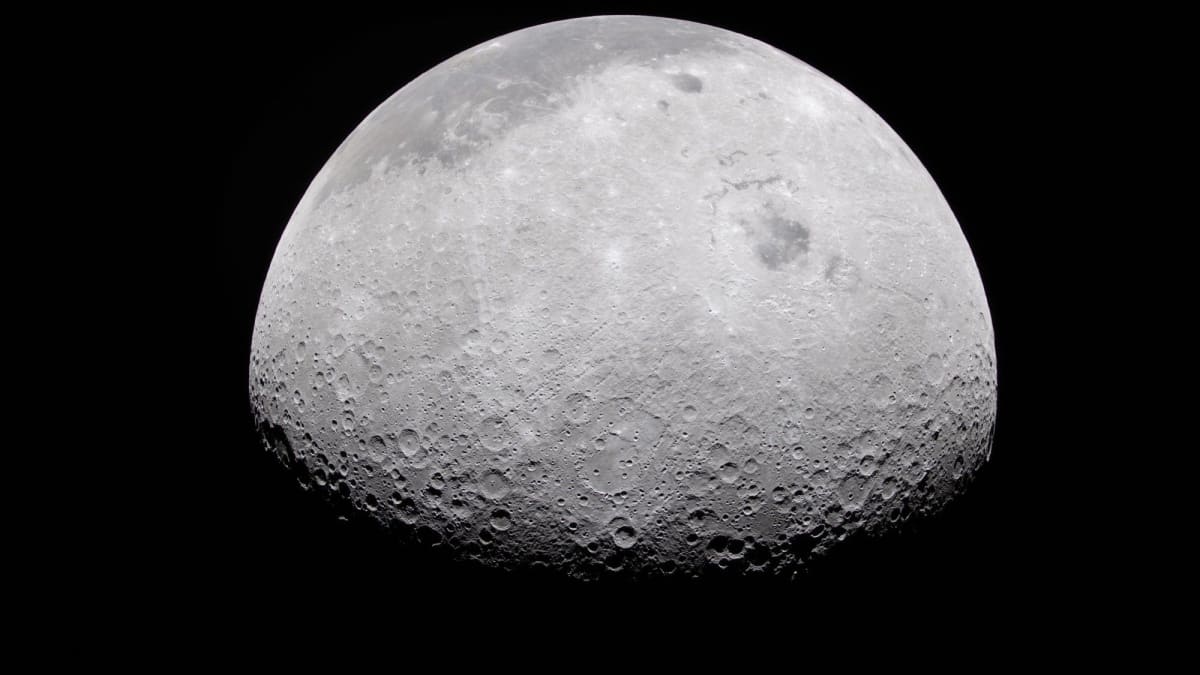
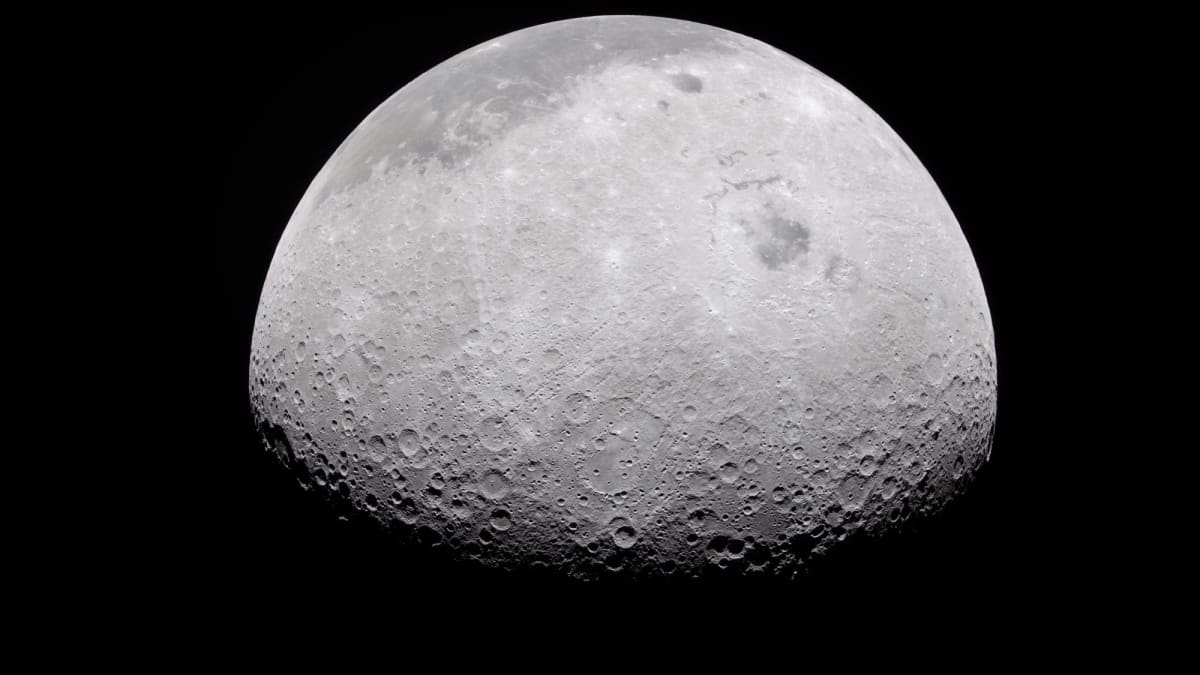
NASA trained the model primarily on 17 years of data from the Lunar Reconnaissance Orbiter. That mission has compiled a nearly complete mosaic of high-definition images showing the moon's surface in stunning detail.
This lunar AI is part of a bigger picture. NASA and IBM have been developing science-focused AI models together, including tools for Earth observation and heliophysics. Space agencies and private companies worldwide are exploring how AI can boost scientific productivity and cut costs.
The Ripple Effect
The impact extends beyond moon research. By making the AI model free and open-source, NASA is democratizing space science. Researchers anywhere can now access tools that were once available only to major space agencies.
The approach also sets a blueprint for handling massive datasets in other scientific fields. When you have petabytes of information, AI doesn't just save time. It finds patterns and connections that humans might miss entirely.
"The NASA-IBM Lunar Foundation Model shows what's possible when we bring AI to NASA's petabytes of scientific data," Murphy explained. "That's a real opportunity we see with AI: turning large-scale data into new discoveries."
The moon has always held humanity's curiosity, and now we have smarter tools to unlock its mysteries.
More Images

Based on reporting by Google News - Science
This story was written by BrightWire based on verified news reports.
Spread the positivity!
Share this good news with someone who needs it