NASA and UNOS Partner to Test Drone Organ Delivery
NASA is teaming up with the nation's organ sharing network to explore using drones to deliver donor organs faster and save more lives. The partnership could transform transplants by cutting critical transport time when every second counts.
When you're waiting for a life-saving organ transplant, every minute matters.
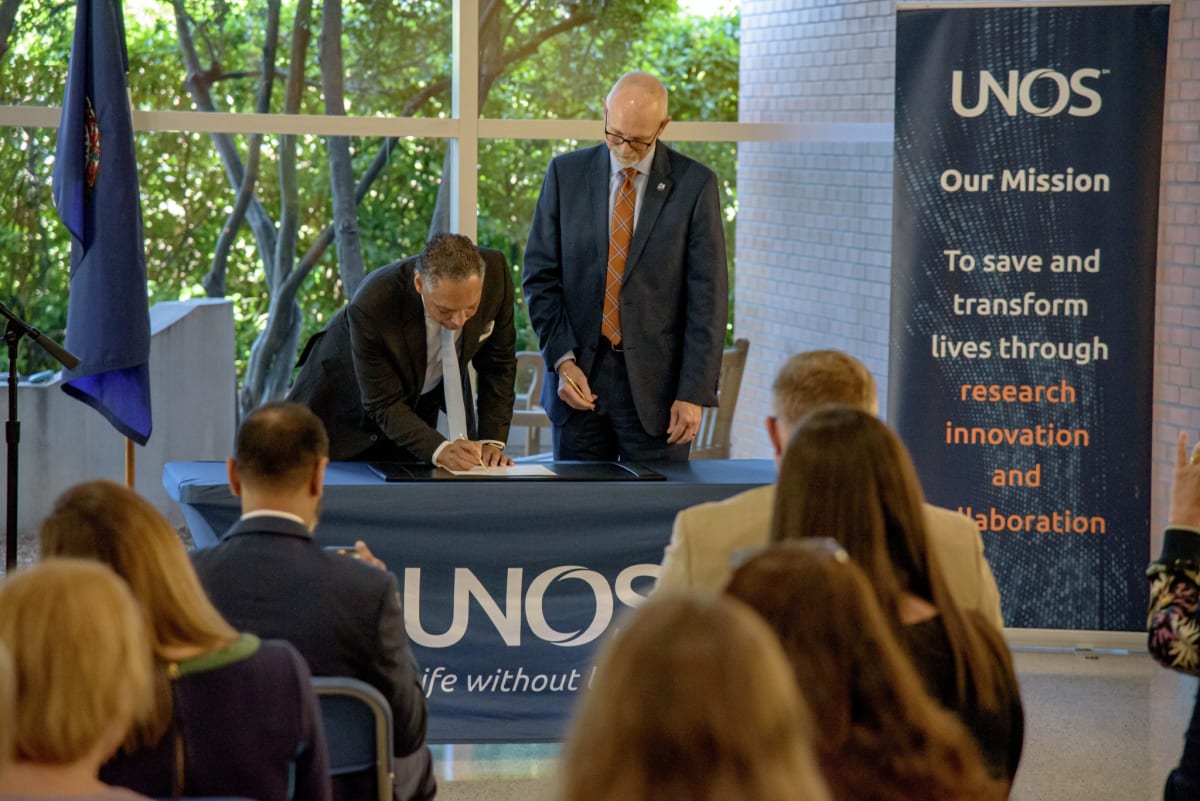
Now NASA's Langley Research Center in Virginia is joining forces with the United Network for Organ Sharing (UNOS) to test whether drones can get donor organs to patients faster than ever before. The two organizations announced their partnership Tuesday at UNOS headquarters in Richmond, bringing together NASA's aviation expertise with the nonprofit that manages America's organ transplant system.
While planes already transport organs between cities, the ground portion of the journey often creates delays, especially in congested areas or remote locations. Drones could potentially bypass traffic jams and reach hospitals more directly, shaving precious time off deliveries that could mean the difference between life and death.
"This is a chance to apply NASA Langley technology to a real-world problem that can save people's lives who are waiting for transplants," said John Koelling, director of NASA Langley's Aeronautics Research Directorate. "There's nothing more rewarding than seeing your technical work have a positive impact on people's lives."
The collaboration will test how well drones handle carrying sensitive biological materials in real-world conditions. NASA will use its advanced flight planning systems, safety technology, and modeling tools to tackle the unique challenges of organ transport.
The first tests will happen at NASA Langley's City Environment Range Testing for Autonomous Integrated Navigation (CERTAIN), a special facility that lets drones fly longer distances without requiring people to watch them the entire time. This setup mimics the kind of routes drones would need to fly in actual organ deliveries.
After flight testing, researchers will examine animal test organs to check if they remain viable for transplant. They'll look at temperature stability and any tissue damage that might occur during drone transport.
The Ripple Effect
This partnership shows how space and aviation technology can solve urgent problems right here on Earth. If drone delivery proves successful, it could eventually become standard practice for time-critical medical shipments nationwide.
The collaboration also reflects UNOS's commitment to innovation in a system where timing can determine whether someone gets a second chance at life. Early success could lead to expanded testing and eventually change how the entire transplant network operates.
"The idea that something of worldwide benefit could be created in our own backyard is pretty exciting," Koelling said.
As NASA and UNOS move forward with testing, thousands of people waiting for transplants have new reason for hope.
More Images


Based on reporting by NASA
This story was written by BrightWire based on verified news reports.
Spread the positivity!
Share this good news with someone who needs it
%2Fhttps%3A%2F%2Ftf-cmsv2-smithsonianmag-media.s3.amazonaws.com%2Ffiler_public%2F1a%2F72%2F1a72d8cc-970c-48cf-83f6-b16e605ff5c0%2Flow-res_f26-plastic-cookies-hr.jpg)