NASA Asteroid Test Changed Its Orbit Around the Sun
Four years after NASA crashed a spacecraft into an asteroid to test Earth's defenses, scientists confirmed it worked even better than expected. The impact not only changed the asteroid's path but altered its orbit around the Sun for the first time in human history.
Humanity just proved it can protect Earth from dangerous asteroids, and the results are even more impressive than scientists first thought.
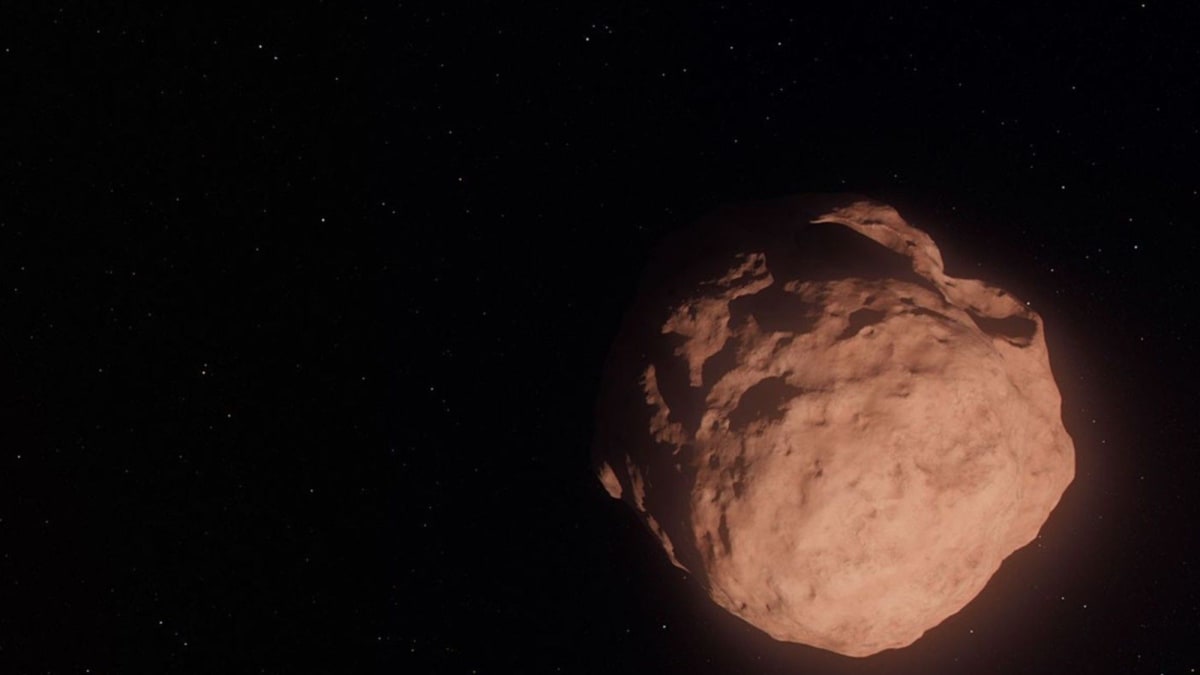
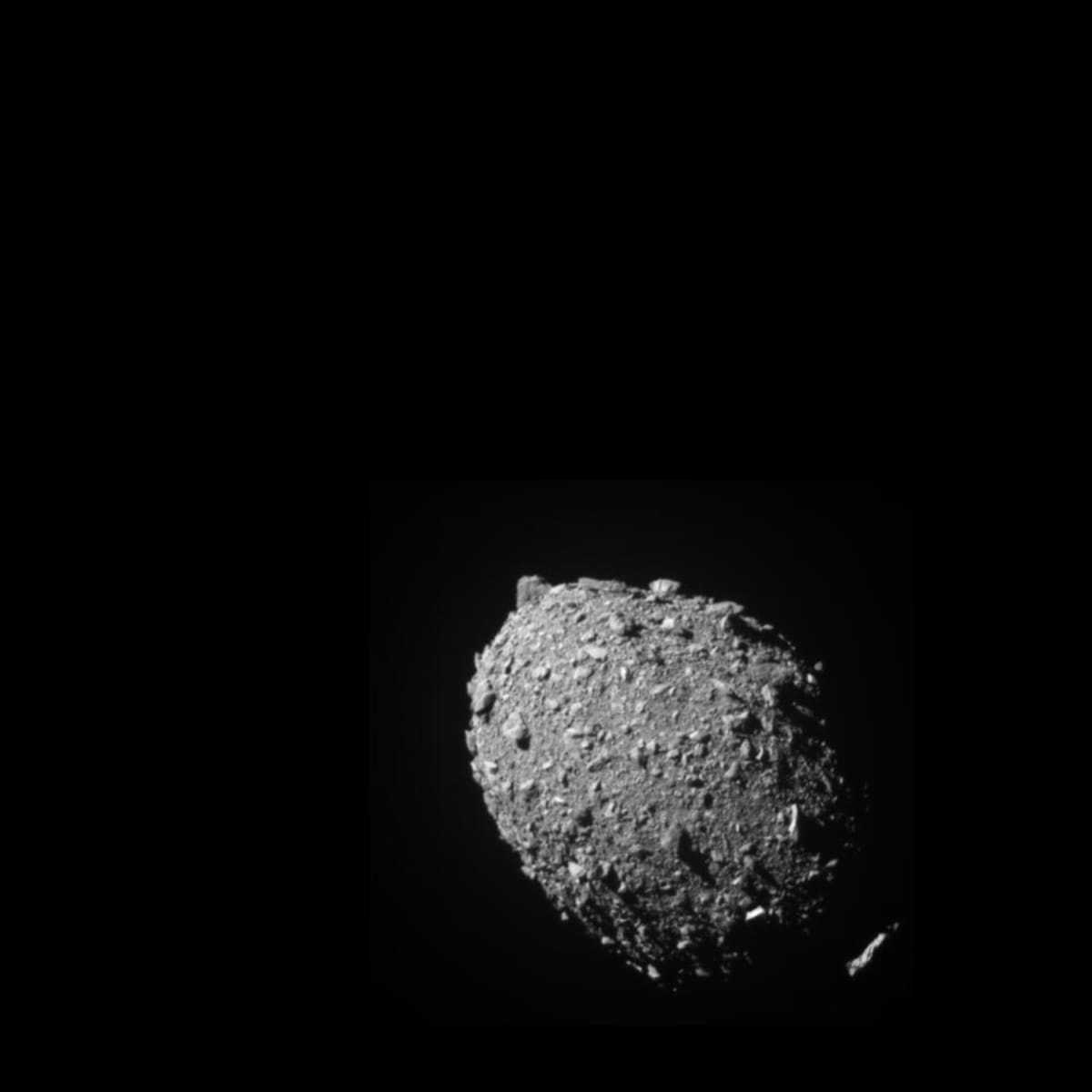
In 2022, NASA deliberately smashed a spacecraft into Dimorphos, a small moonlet asteroid about the size of a football stadium. The mission, called the Double Asteroid Redirection Test (DART), aimed to prove we could knock a threatening space rock off course if one ever headed our way.
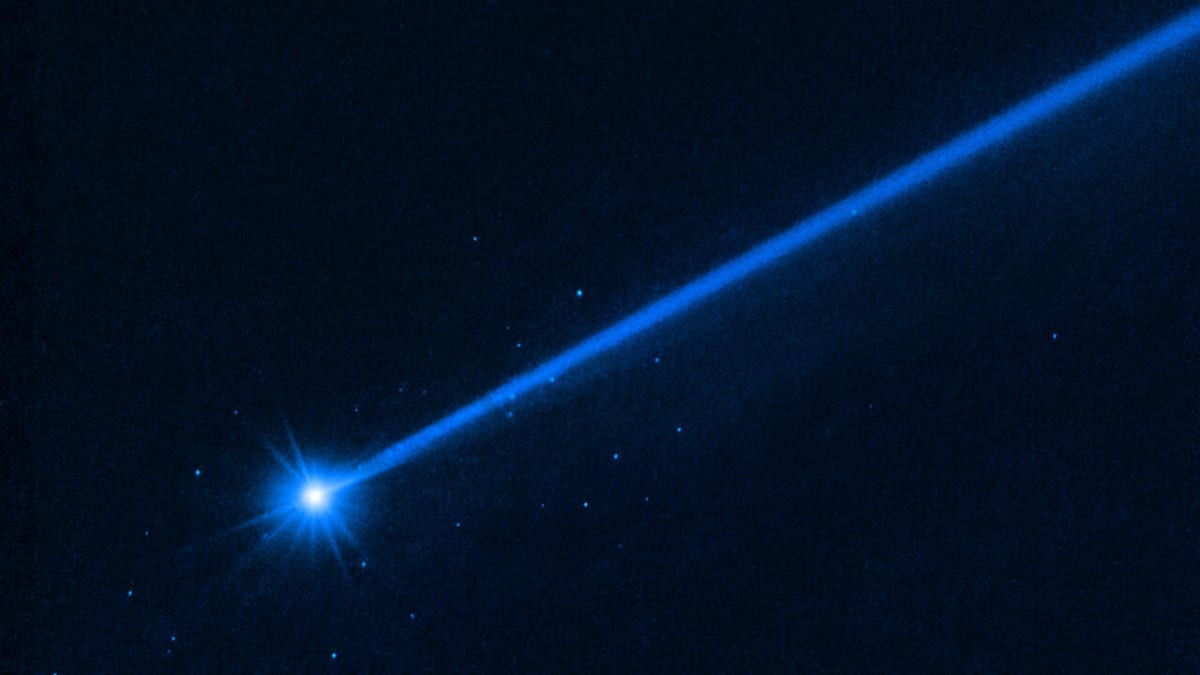
The initial results were promising. The impact pushed Dimorphos into a smaller, faster orbit around its companion asteroid Didymos. But new research published this month reveals something even more significant: the collision also shifted both asteroids into a slightly different orbit around the Sun.
This marks the first time humans have ever measurably changed the path of a celestial body around our star. That's a monumental achievement in planetary defense.
Lead researcher Rahil Makadia and his international team spent years tracking the asteroids with incredible precision. They relied on volunteer astronomers worldwide who recorded 22 stellar occultations, those brief moments when an asteroid passes in front of a distant star and causes it to dim for less than a second.
The orbital change was tiny, just 0.15 seconds. But scientists say that's exactly what matters.
"This is a tiny change to the orbit, but given enough time, even a tiny change can grow to a significant deflection," explained Thomas Statler, NASA's lead scientist for solar system small bodies. The key is catching a threatening asteroid early enough that a small nudge becomes a life-saving push.
The test wasn't based on any real threat to Earth. Dimorphos and Didymos posed no danger to our planet. But having solid data from an actual impact gives scientists confidence they could mount a real defense if needed.
Why This Inspires
This achievement represents something rare: humans working together to solve a problem before it becomes a crisis. Instead of waiting for disaster to strike, scientists spent years developing and testing a system that could save millions of lives someday. The collaboration between NASA, international researchers, and volunteer astronomers around the globe shows what we can accomplish when we focus on protecting our shared home.
The DART mission proved that science fiction doesn't have to stay fictional—we really can defend our planet from cosmic threats.
More Images
Based on reporting by Google News - Science
This story was written by BrightWire based on verified news reports.
Spread the positivity!
Share this good news with someone who needs it