NASA Astronaut Anil Menon Launches to Space Station July 14
NASA astronaut Anil Menon is heading to the International Space Station next week for groundbreaking medical research that could transform healthcare on Earth and in space. His eight-month mission includes developing AI-powered ultrasound and bioprinting human tissue in zero gravity.
A new generation of space exploration takes flight next Tuesday when NASA astronaut Anil Menon launches on his first journey to the International Space Station, bringing cutting-edge medical research that could change lives here on Earth.
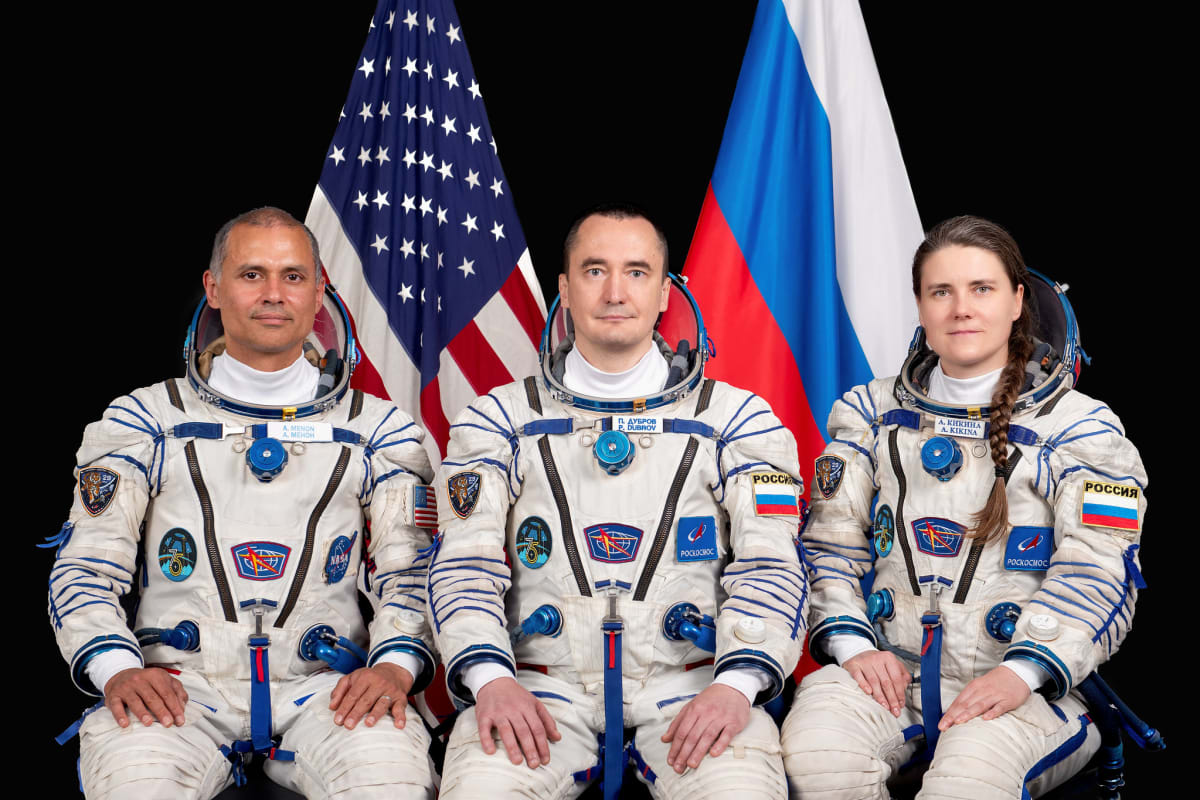
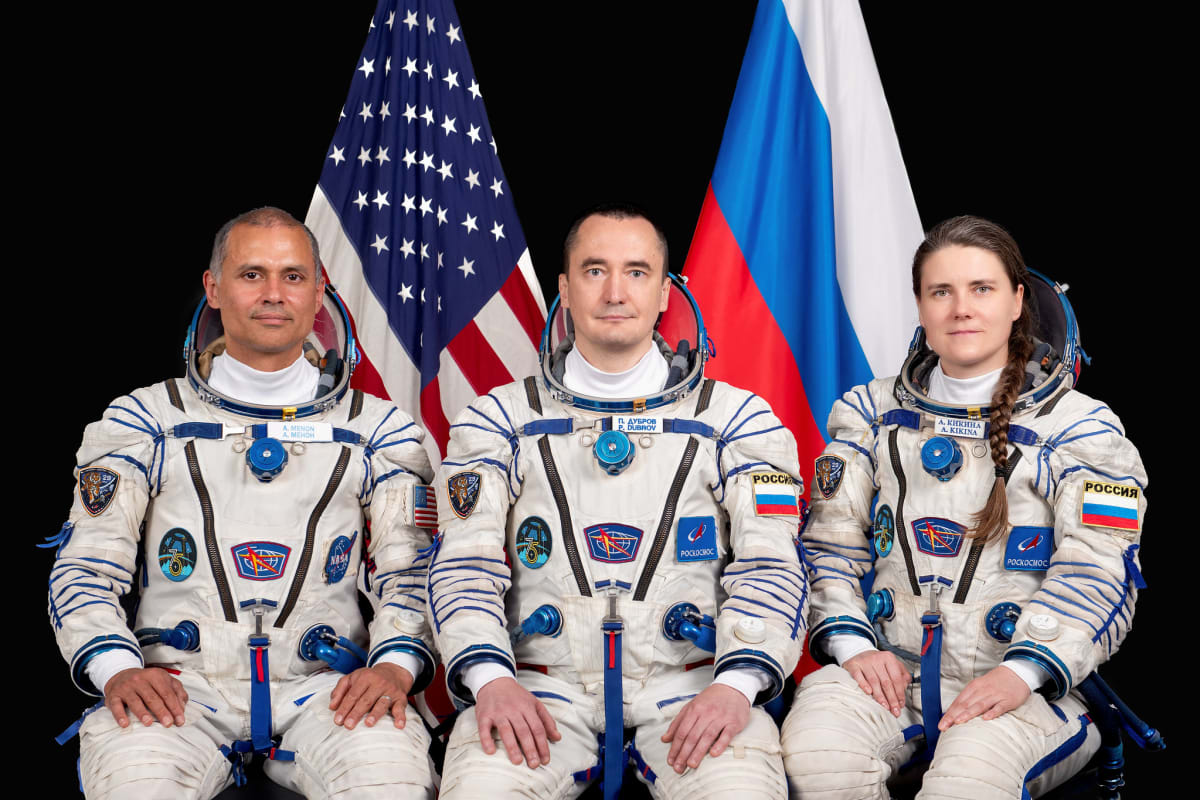
Menon will lift off at 10:47 a.m. EDT on July 14 from Kazakhstan's Baikonur Cosmodrome aboard a Russian Soyuz spacecraft. He'll be joined by cosmonauts Pyotr Dubrov and Anna Kikina for the three-hour trip to humanity's orbital laboratory.
The mission represents more than just another launch. Menon will spend eight months conducting experiments that sound like science fiction but could become medical reality.
One of his key projects involves testing augmented reality and artificial intelligence for medical ultrasounds in space. The goal is bold: eliminate the need for constant communication with Earth-based doctors during future deep space missions. Imagine astronauts on Mars diagnosing and treating themselves with AI assistance.
Menon will also work on bioprinting vascular tissue in microgravity. This research could unlock new understanding of how we age and lead to breakthrough treatments for age-related diseases back on Earth.
His research doesn't stop there. He'll help refine the production of semiconductor crystals in space, work that could enable better computers, improved artificial intelligence systems, and advanced medical devices. He'll also serve as a test subject for studies on how blood flow changes in zero gravity, protecting future space travelers.
You can watch the entire mission unfold live on NASA+, Amazon Prime, and YouTube. Coverage begins at 9:45 a.m. EDT, with docking at 1:56 p.m. and hatch opening around 3:55 p.m.
Once aboard, Menon joins a truly international crew of nine astronauts and cosmonauts from NASA, Russia's Roscosmos, and the European Space Agency. Together, they'll continue over 25 years of continuous human presence in space.
The Ripple Effect
The research happening 250 miles above Earth reaches far beyond the space station's walls. When scientists bioprint tissue in microgravity, they're learning how to help people with heart disease. When they develop AI medical tools for astronauts, they're creating technology that could bring advanced healthcare to remote villages without doctors. The semiconductor work could power the next generation of life-saving medical equipment.
This mission represents the beautiful intersection of human curiosity and practical progress. Every experiment Menon conducts serves double duty: preparing humanity for deeper space exploration while solving real problems for people who will never leave Earth's surface.
Menon will return home in April 2027, bringing with him data and discoveries that will shape both space travel and everyday life for years to come.
More Images
Based on reporting by NASA
This story was written by BrightWire based on verified news reports.
Spread the positivity!
Share this good news with someone who needs it