NASA Astronaut Becomes First to Speak Manx in Space
Nicole Stott spent 104 days in space and became the first person to speak Manx and paint watercolors beyond Earth. Her journey from ocean depths to orbit reveals a powerful message about protecting our planetary home.
Imagine looking down at Earth from space and realizing everyone below is your crewmate on a journey through the cosmos.
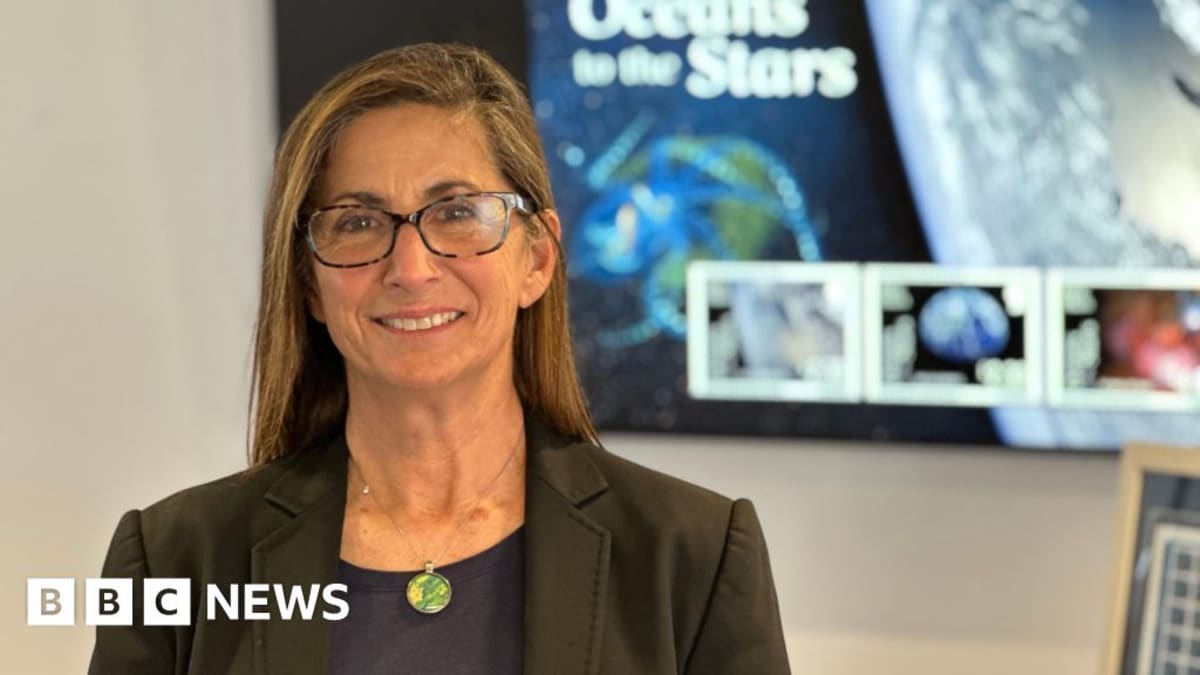
That's exactly what happened to retired NASA astronaut Nicole Stott during her two space missions in 2009 and 2011. Over 104 days orbiting Earth, she performed a spacewalk, became the first person to speak Manx in space, and even painted watercolors while floating in zero gravity.
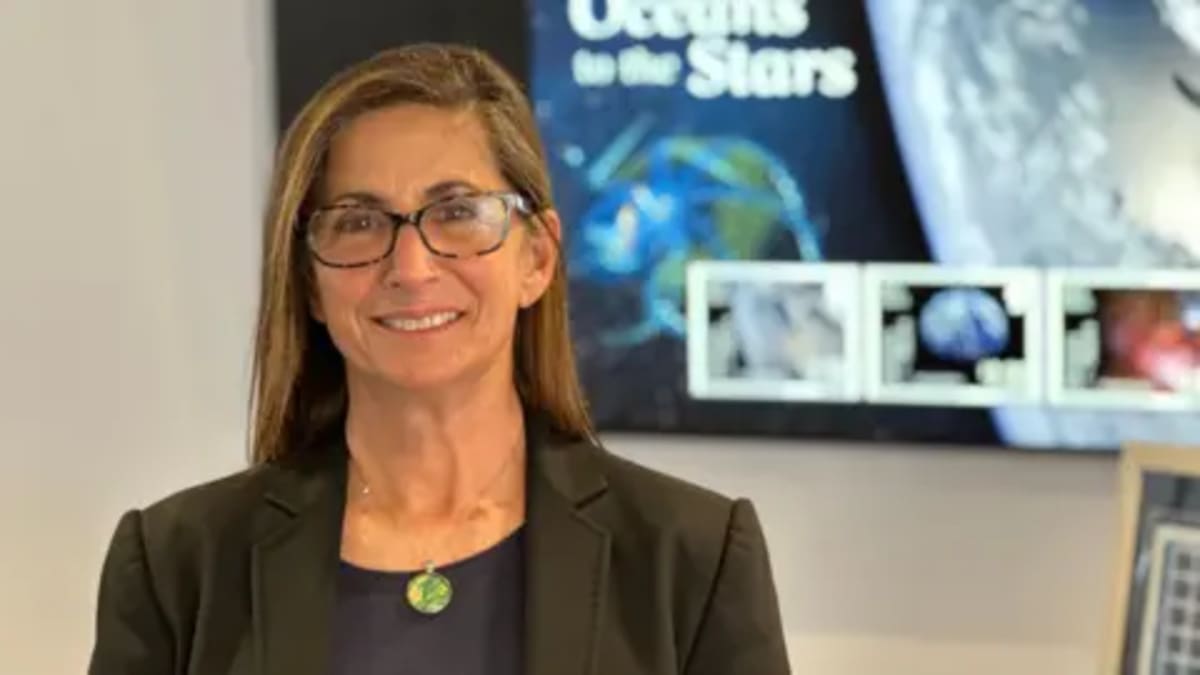
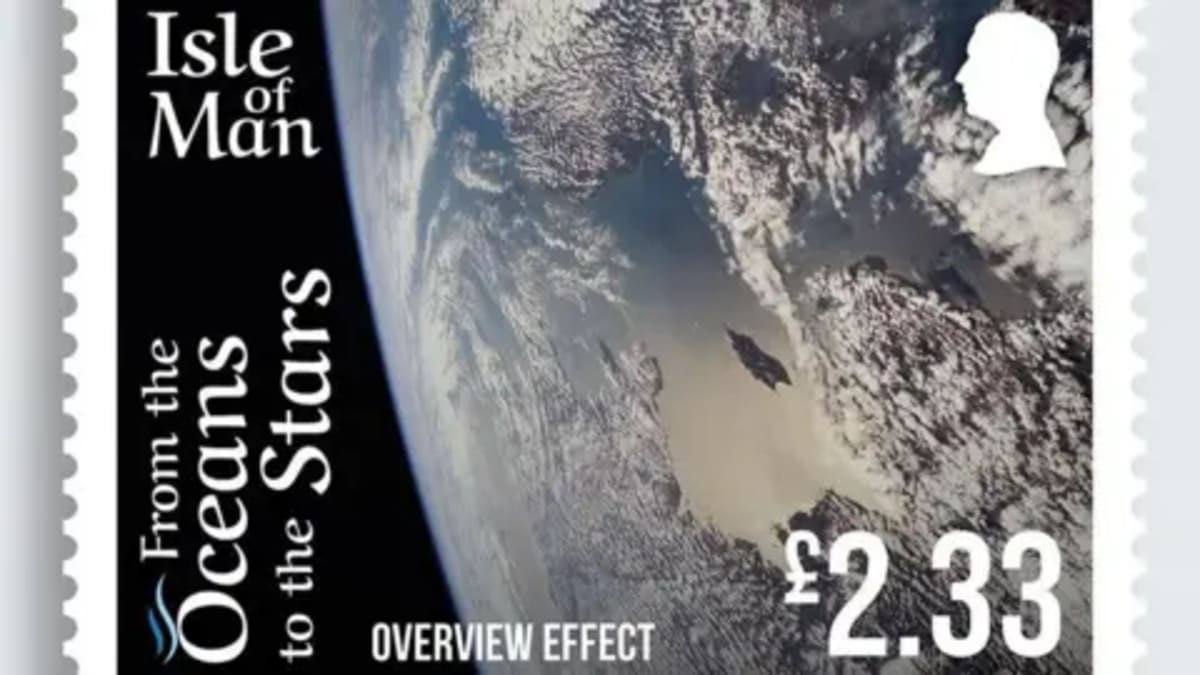
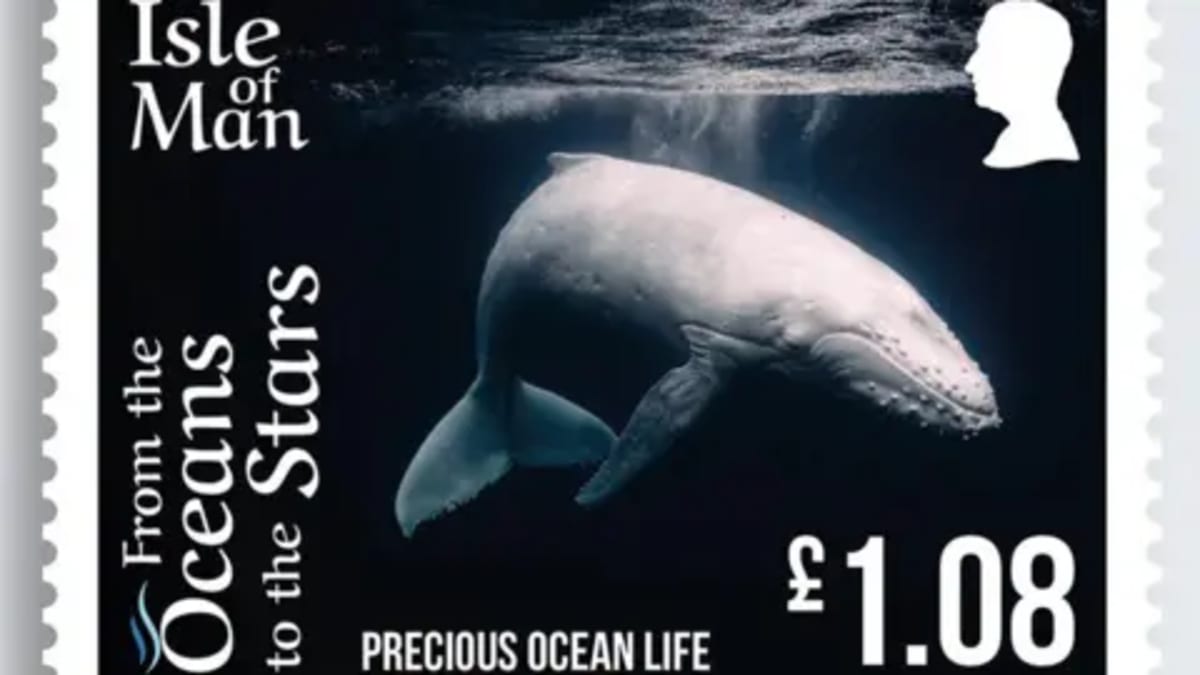
But Stott's preparation for space started much closer to home. As part of her training, she spent 18 days living as an aquanaut in an undersea habitat, experiencing life in another extreme environment. The American astronaut, who is married to Manxman Chris Stott, recently contributed essays to a special stamp collection by the Isle of Man Post Office celebrating both space and deep sea exploration.
Looking at Earth through the space station window changed everything for her. "I always had an appreciation for our planet, but I don't know that on a daily basis I was thinking about the fact that I live on a planet in space," she said. "When I got to space, looking out the window, there's no denying that, right? You're like, holy moly, we live on a planet in space."
That perspective shift wasn't just beautiful. It was grounding, helping her make a deeper connection to our planetary home.
Why This Inspires
Both her space missions and underwater experiences taught Stott something crucial about how humans need to work together. Living in close quarters with teammates in extreme environments showed her that cooperation isn't optional.
"I really feel like we need to remind ourselves of how important it is to be crewmates on our planetary spaceship too," she explained. "To take care of it, to understand our relationship with it, and to be crewmates not passengers."
The stamp collection she helped create features images deliberately chosen for their "otherworldly feel," from ocean depths to cosmic heights. She wanted the collection to spark awareness about things around us we might overlook. "It's really meant to get us thinking about our place on this ocean planet in space, and how everything is interconnected, from the deepest part of the ocean to the farthest reaches of our universe."
Here's the best part: you don't need to leave Earth to appreciate it. Standing anywhere on our planet, including the Isle of Man where she now spends time, Stott finds something awesome and wonderful in every direction. "I think if we open our hearts and our minds to that, it'll ground us again, too, in this reality of living on a planet in space."
Sometimes the greatest journeys help us see what was beautiful all along.
More Images

Based on reporting by BBC Science
This story was written by BrightWire based on verified news reports.
Spread the positivity!
Share this good news with someone who needs it