NASA Astronauts Nearing Moon for First Time in 50 Years
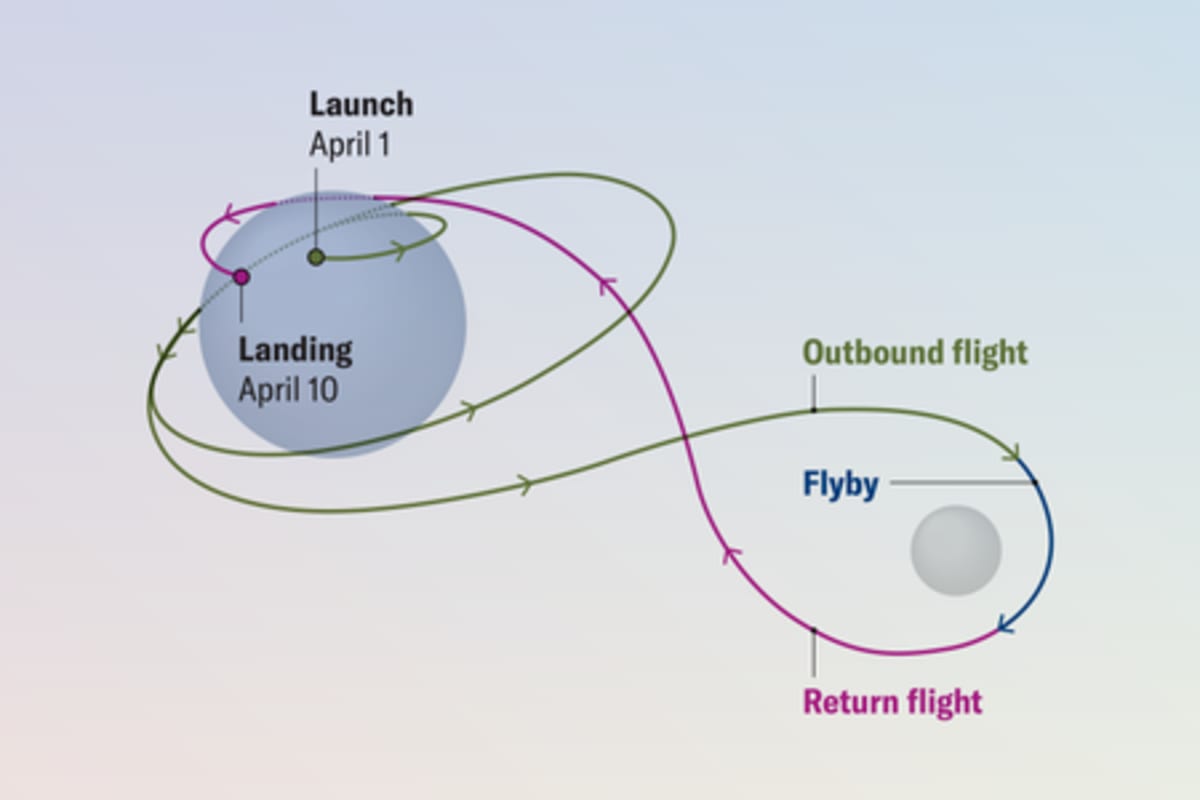
Four astronauts aboard Artemis II have traveled more than 211,000 miles from Earth and are preparing for humanity's first lunar flyby in over half a century. The crew is already witnessing breathtaking views of the moon's far side that no human has seen in decades.
For the first time since 1972, astronauts are approaching the moon, and what they're seeing is leaving them absolutely mesmerized.
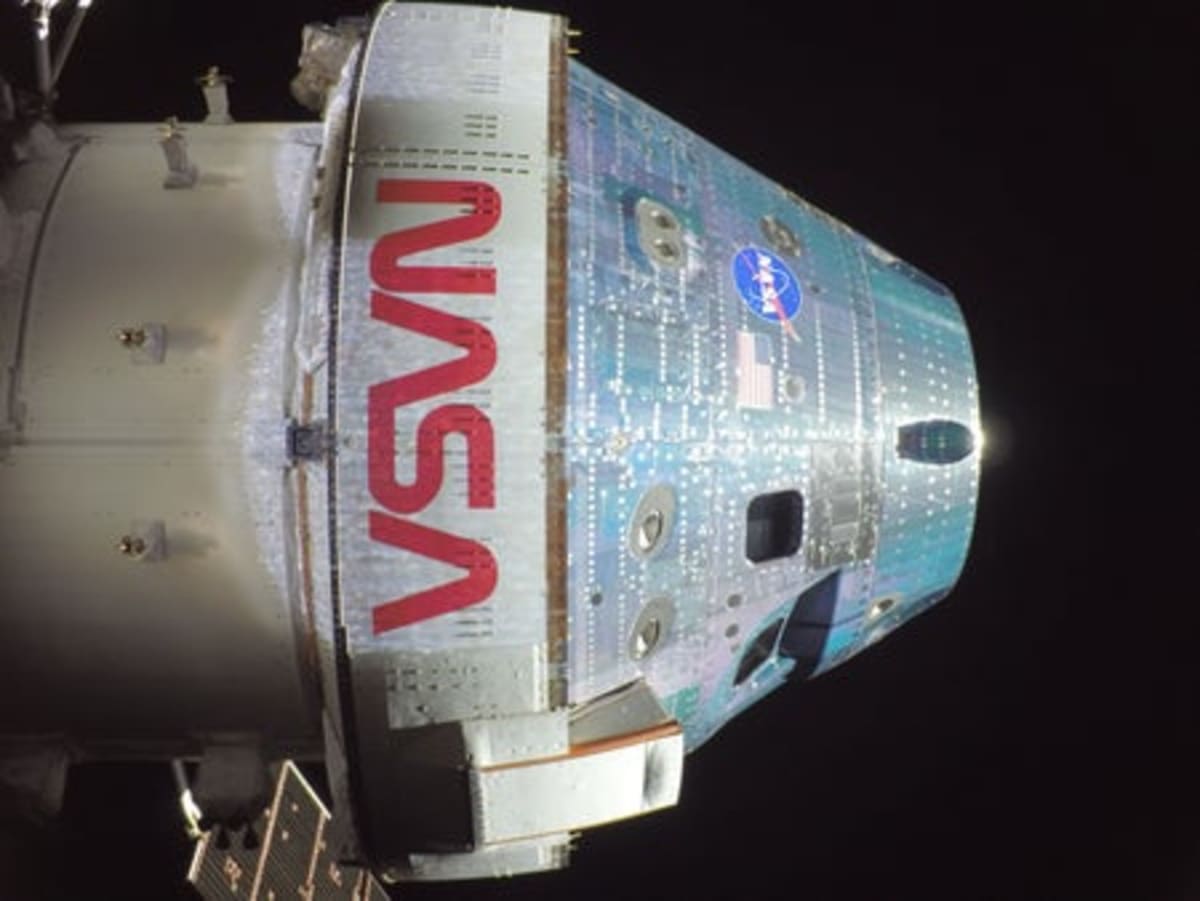
Commander Reid Wiseman, pilot Victor Glover, and mission specialists Christina Koch and Jeremy Hansen are aboard NASA's Orion spacecraft, now more than two-thirds of the way through their historic Artemis II mission. On Monday, they'll swing within 4,000 miles of the lunar surface, closer than any human has been to our celestial neighbor in 50 years.
"The moon we are looking at is not the moon you see from Earth whatsoever," Koch said during NASA's livestream. The crew has already spotted the Orientale basin, a massive impact crater on the moon's far side that left Glover "mesmerized."
This isn't just sightseeing. Each astronaut has specific lunar features to observe during the flyby, looking for details that cameras and robots might miss. Scientists back on Earth are expecting goosebumps when the crew shares what they discover, just like when Apollo 17 astronaut Harrison Schmitt spotted orange dust that revealed ancient volcanic activity.
The mission hasn't been without its challenges. The crew dealt with toilet troubles when ice blocked wastewater vent lines, forcing them to use high-tech bags temporarily. Mission Control and the astronauts worked together to fix the problem, proving that even space pioneers have to handle everyday issues.
Between manual steering tests and spacesuit checks, the crew managed to snap a family portrait from their capsule window. Mission Control joked they're looking forward to the Christmas card.
Why This Inspires
This mission represents more than nostalgia for the Apollo era. It's proof that humanity is pushing forward again, testing technology that will eventually land astronauts on the moon's surface for the first time since 1972.
The Artemis II crew is paving the way for future missions where astronauts will dock spacecraft, land on the lunar surface, and establish a lasting presence. Their manual steering tests today become the foundation for tomorrow's moon landings.
As Glover put it perfectly during a press event: "That we can do this right now means we could do so much more."
More Images


Based on reporting by Scientific American
This story was written by BrightWire based on verified news reports.
Spread the positivity!
Share this good news with someone who needs it