NASA Beams 4K Video from Moon with New Laser System
Astronauts orbiting the moon are video chatting with Earth in stunning 4K quality, thanks to a breakthrough laser system that's 20 years in the making. The technology could transform how future lunar explorers stay connected with home.
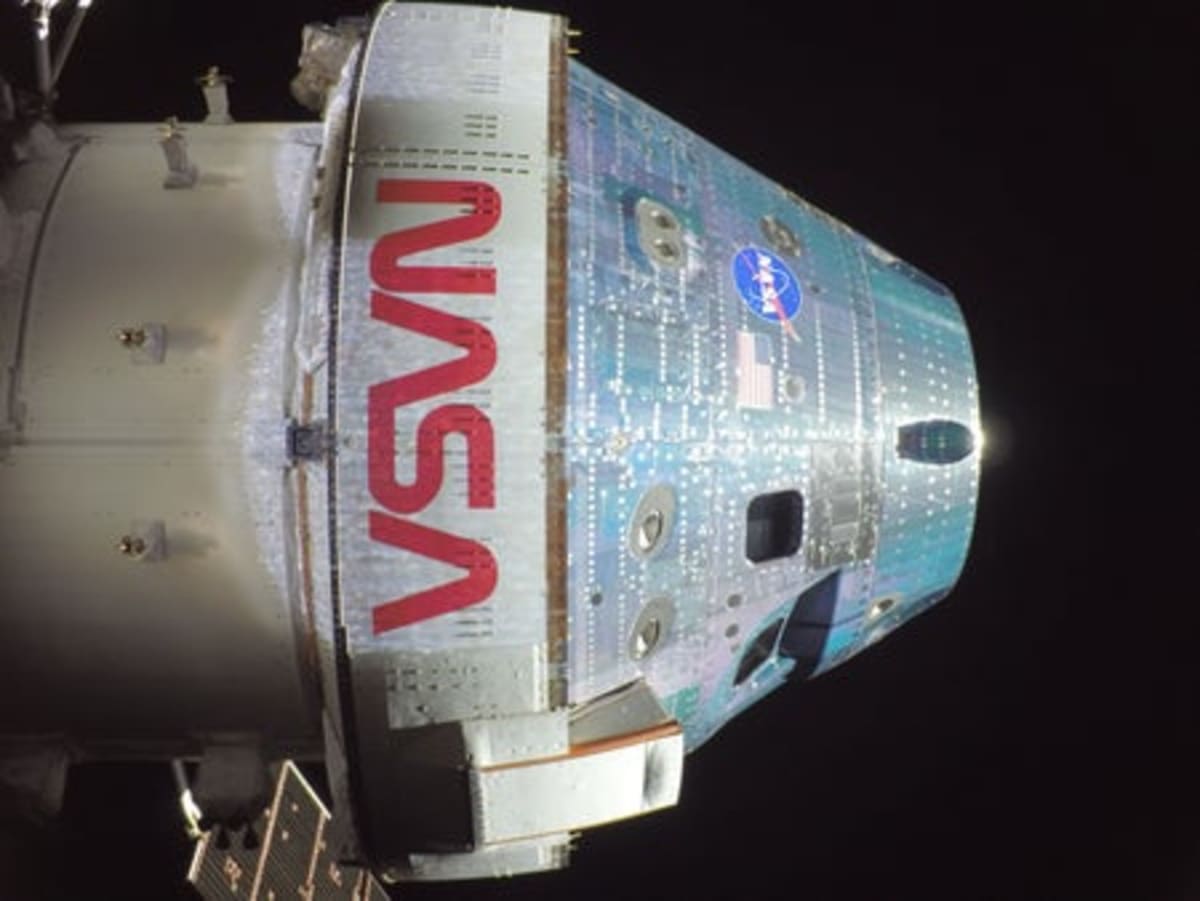
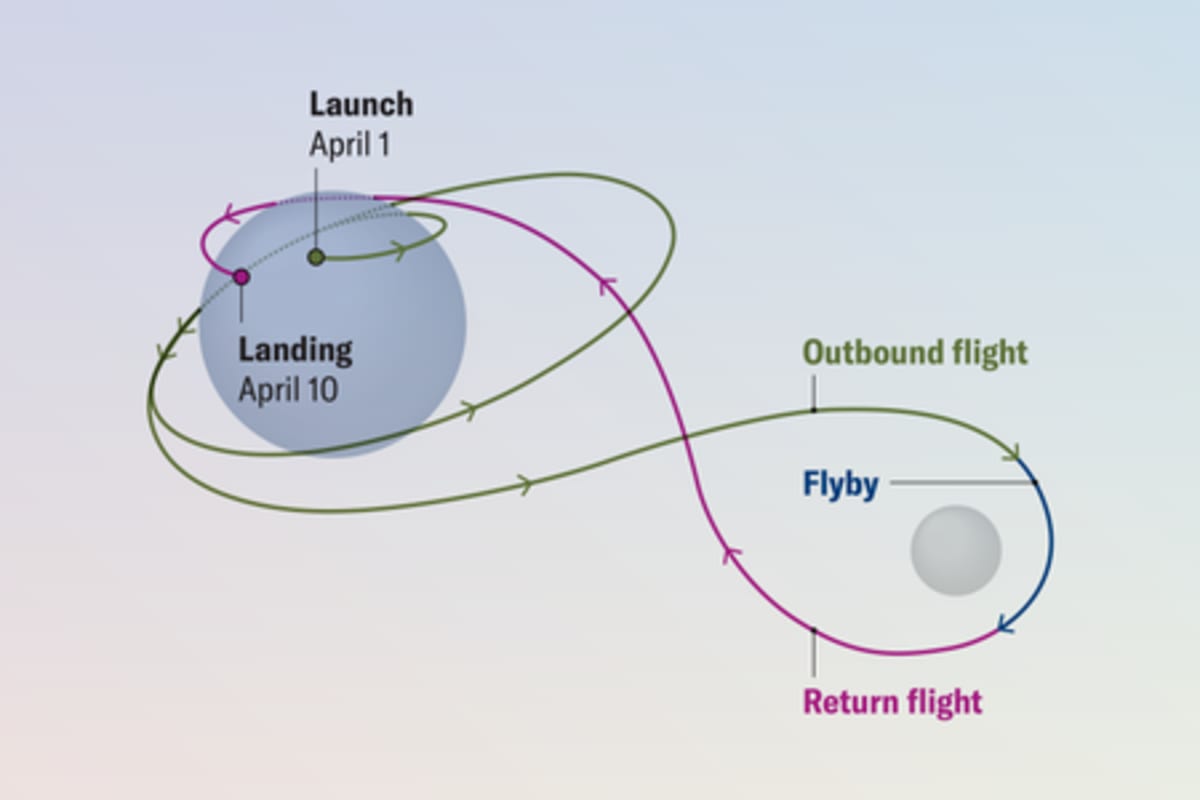
Astronauts on NASA's Artemis II mission are making video calls from the moon with internet speeds that would make most of us jealous back on Earth.
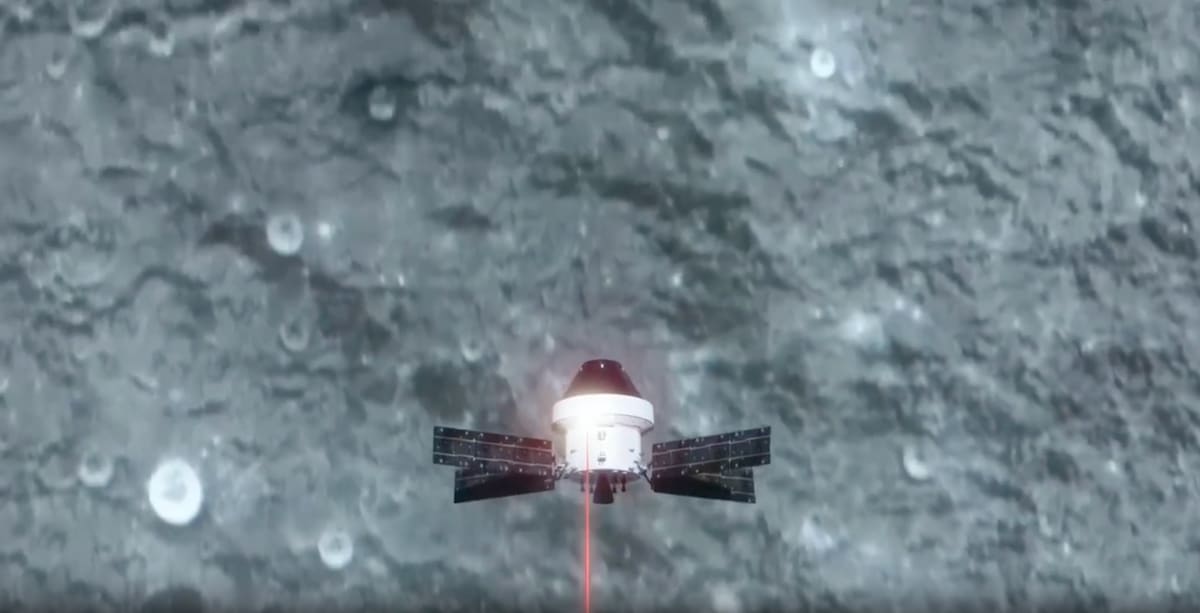
The Orion spacecraft is testing a groundbreaking laser communication system called O2O that beams data back to Earth at 260 megabits per second. That's fast enough to stream 4K video with just a one-second delay, turning what used to be grainy transmissions into crystal-clear conversations.
For more than two decades, NASA and researchers at MIT worked to replace old radio technology with precision lasers. The payoff is finally here. "I think you would be happy if that was your home internet connection," says Greg Heckler, deputy program manager for NASA's Space Communications and Navigation Program.
The system works by shooting infrared light beams across 240,000 miles of space to receiving stations in New Mexico and California. By the time the laser reaches Earth, the beam spreads to about four miles wide. The spacecraft has to aim with accuracy down to a thousandth of a degree to hit the target.
The O2O terminal itself is surprisingly compact, about the size of a house cat. It uses the same kind of lasers found in fiber optic cables, boosted to one watt of power. Previous tests on the International Space Station and other missions proved the concept works. O2O is the crown jewel that brings it all together for deep space.
The Ripple Effect
This isn't just about clearer video calls, though that matters enormously for astronaut wellbeing. "Think of what being able to video conference with your family means to an astronaut on the moon that may be in a stressful situation," Heckler explains.
The high-speed connection means mission control can receive critical flight data in real time instead of waiting for the spacecraft to return. Scientists on Earth could remotely pilot moon rovers, monitor lunar bases, and troubleshoot problems as they happen.
Future lunar explorers won't feel cut off from home anymore. They'll have the bandwidth to stream their favorite shows, attend their kids' soccer games via video, and stay connected to the people who matter most. The moon just got a whole lot closer to home.
More Images


Based on reporting by Scientific American
This story was written by BrightWire based on verified news reports.
Spread the positivity!
Share this good news with someone who needs it