NASA Builds $50 Heat Sensor to Protect Wildfire Crews
NASA scientists created an affordable thermal sensor that alerts firefighters when flames get too close, protecting bulldozer operators on the front lines while collecting crucial wildfire data. The simple device uses oven parts and could save lives this fire season.
📺 Watch the full story above
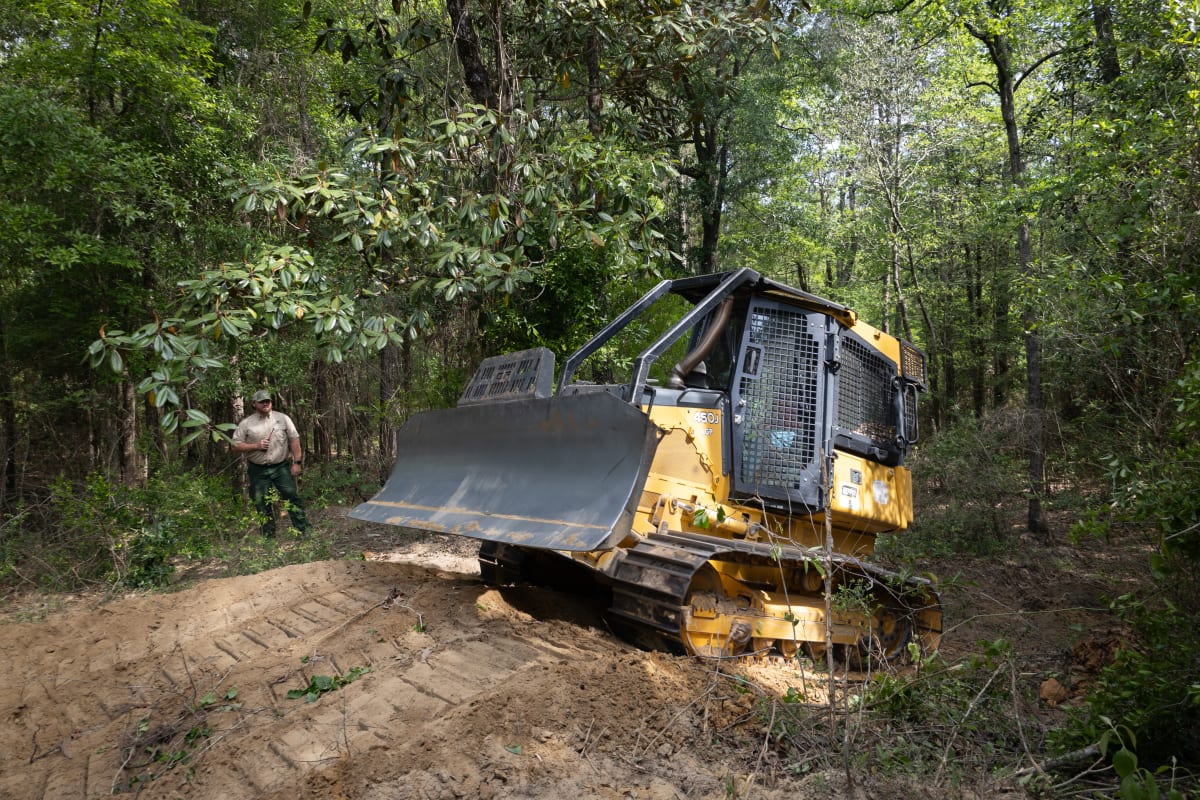
Firefighters driving bulldozers inches from roaring wildfires now have a guardian angel on their dashboard, thanks to NASA scientists who turned everyday oven parts into a lifesaving warning system.
With peak wildfire season approaching, NASA's FireSense project has created low-cost thermal sensors for fire bulldozers that flash a warning light when radiant heat reaches dangerous levels. The sensors deployed this spring across Alabama after successful field tests in September 2025.
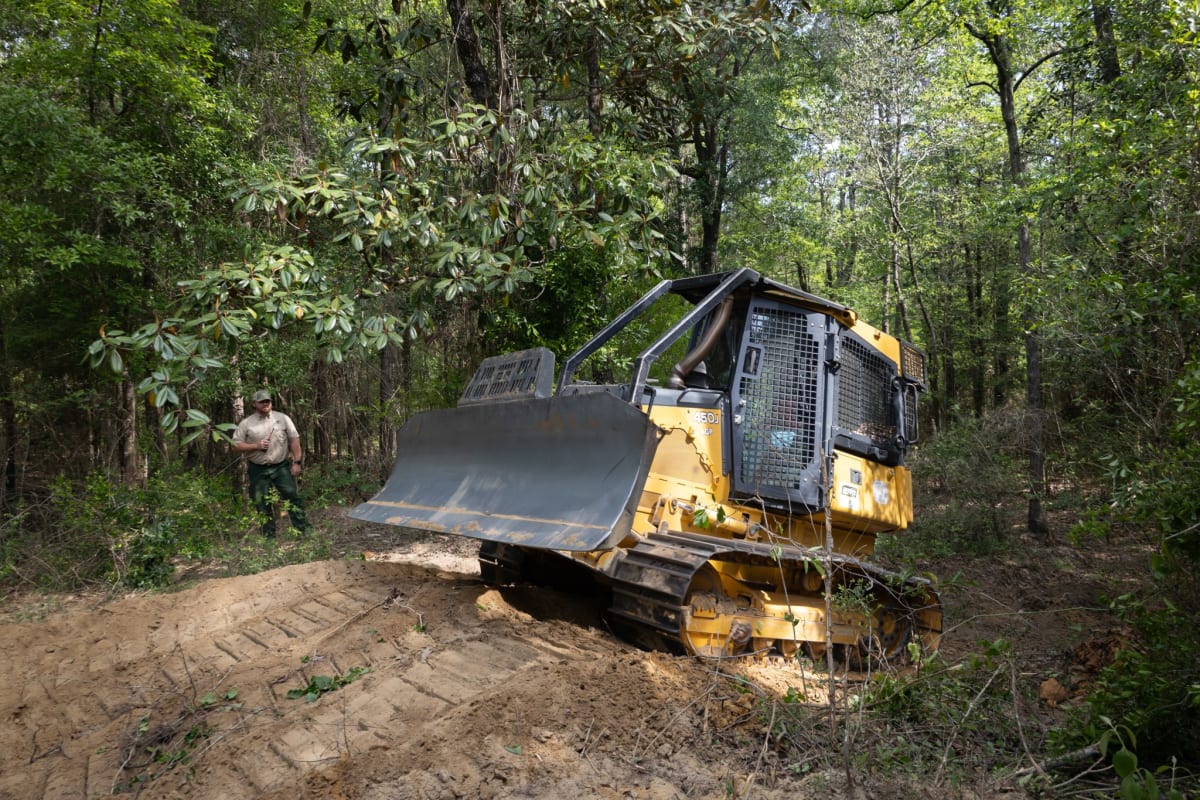
Fire bulldozers work at the edge of infernos, clearing vegetation and creating firebreaks to stop wildfire spread. Operators often work within feet of flames, putting both machine and human at serious risk.
The challenge got trickier when Alabama's forestry fleet switched to enclosed "envirocab" bulldozers. While the sealed cabs protect operators from smoke and debris, they make it nearly impossible to feel when temperatures spike to dangerous levels.
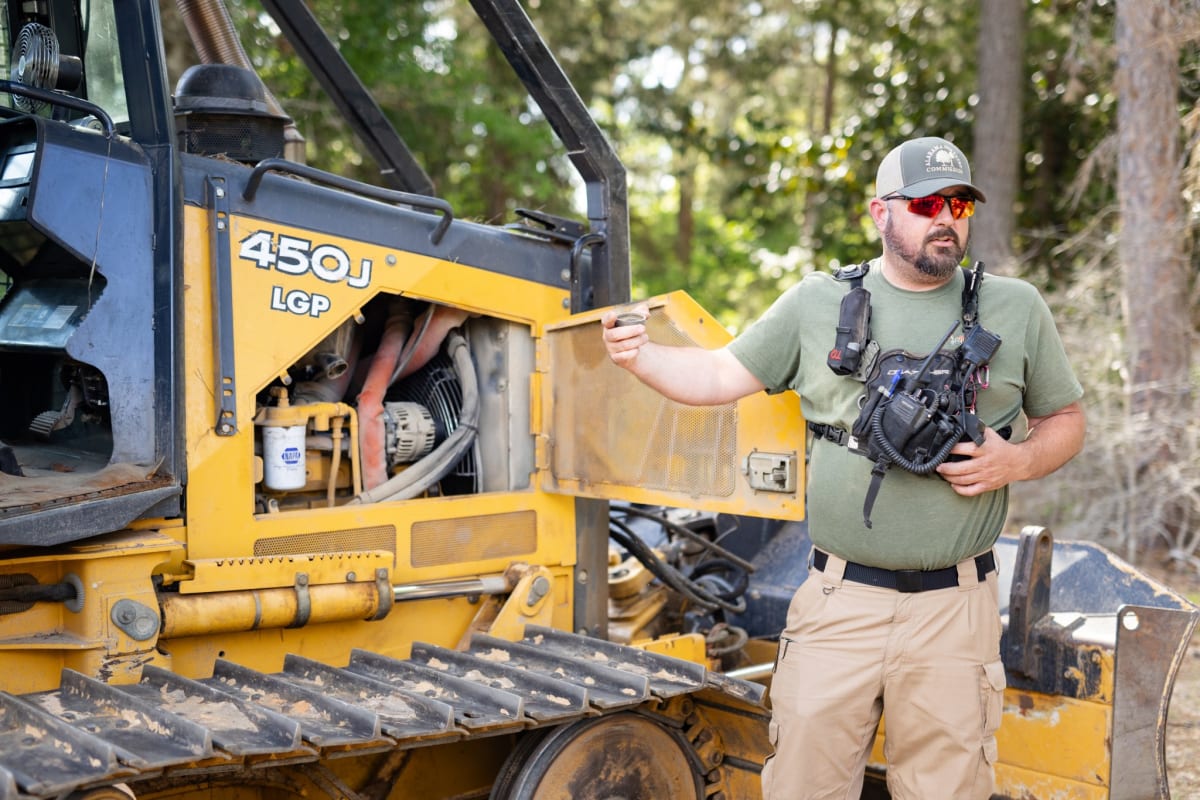
"It's not so much about what's going to burn the tractor up as what's going to shut the tractor down," said Ethan Barrett, fire analyst with the Alabama Forestry Commission. When extreme heat melts electrical wiring, operators can get stranded in life-threatening situations.
NASA saw an opportunity to save lives while gathering ground-level data that satellites can't capture. Jennifer Fowler, science integration manager at NASA's Langley Research Center, kept the design brilliantly simple using off-the-shelf components.
The sensor uses the same thermocouple found in home ovens and pottery kilns. When temperatures hit unsafe levels, it triggers an LED light on the dashboard directly in the operator's line of sight, signaling them to back away from the fire line.
In April, NASA researchers and Alabama firefighters gathered in southern Alabama to demonstrate the technology and discuss firefighting challenges. The collaboration between NASA and the Alabama Forestry Commission highlights how space agency innovation translates to real-world safety improvements.
The Ripple Effect
Beyond protecting firefighters, these sensors collect valuable data on fire behavior beneath tree canopies, information that satellites orbiting overhead simply can't see. "Ground observations are vital to provide context for what we are seeing from space," said Ian Brosnan, NASA's wildland fires program manager at Ames Research Center.
The sensors have already been deployed on active wildfires, performing exactly as designed. By combining low cost with high impact, NASA created technology that forestry commissions nationwide could afford to adopt.
As climate change intensifies wildfire seasons across the country, innovations that protect the people who protect our forests matter more than ever.
More Images

Based on reporting by NASA
This story was written by BrightWire based on verified news reports.
Spread the positivity!
Share this good news with someone who needs it