NASA Burns 2,600 Acres During Active Rocket Countdown
NASA just pulled off something never done before at the world's busiest spaceport: managing a massive controlled burn while preparing to launch a rocket. The successful test proves America's space hub can protect both endangered wildlife and its launch schedule at the same time.
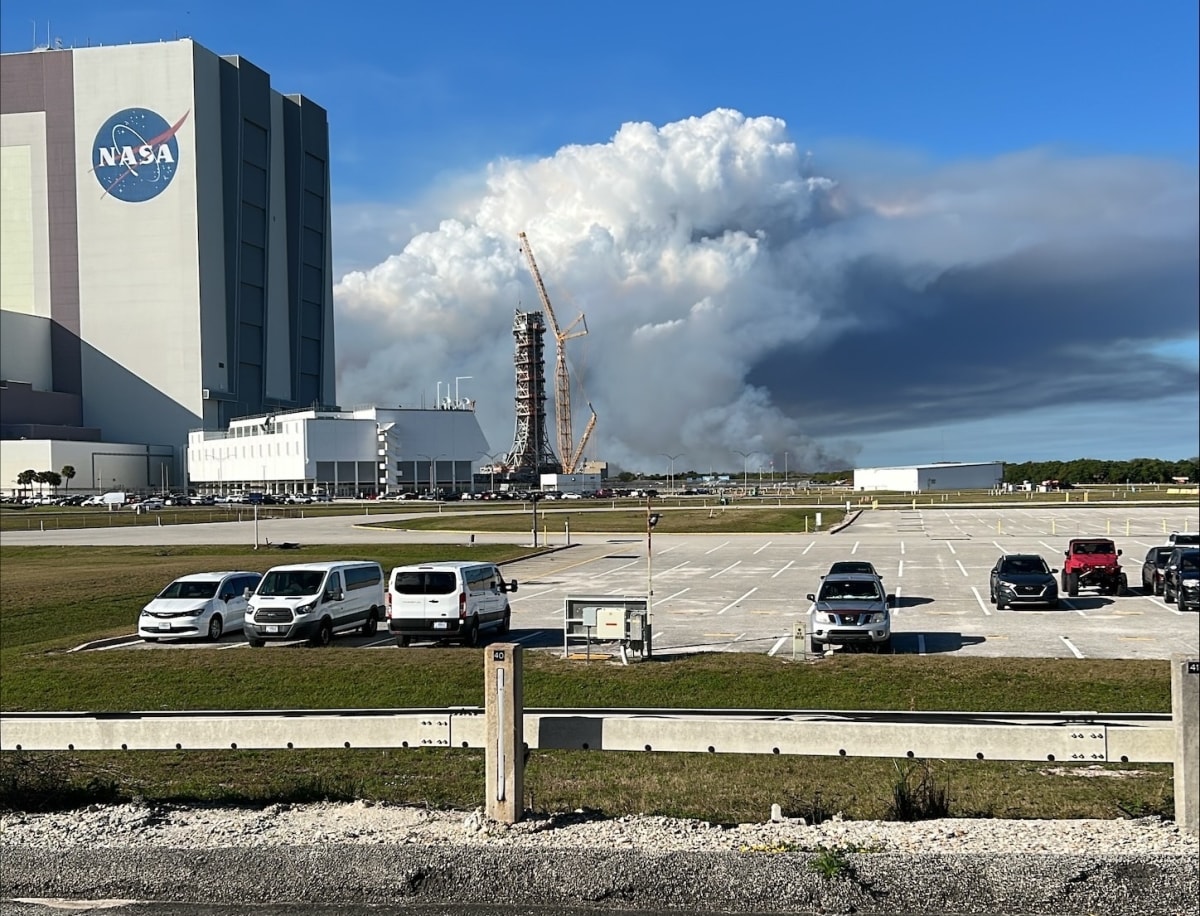
Smoke billowed across Kennedy Space Center in January 2026, but it wasn't coming from a rocket. For the first time ever, NASA intentionally set fire to 2,600 acres of protected habitat during an active launch countdown, solving a problem that's been building for years.
The challenge was real. Kennedy Space Center launched over 100 rockets in 2025 alone, with even more planned for the coming years. But the land surrounding the spaceport needs regular controlled burns every two to three years to stay healthy and protect endangered species like the Florida scrub-jay.
Until now, NASA had to pause all launches whenever they needed to burn vegetation. With rockets launching almost weekly, that schedule was becoming impossible to maintain. Without those burns, dead vegetation piles up, creating dangerous wildfire fuel that could threaten both wildlife and billions of dollars in space infrastructure.
NASA teamed up with the U.S. Fish and Wildlife Service to find a solution. Together, they developed safety protocols that would allow controlled burns to happen even with rockets on the launch pad. The test burns covered two major areas: 1,400 acres at Happy Creek, a critical habitat for protected wildlife, and 1,200 acres near the spaceport's headquarters and historic buildings.
The operation required careful coordination. NASA reviewed wind patterns, issued smoke warnings, temporarily relocated workers from affected buildings, and allowed some staff to work remotely. Roads closed intermittently as smoke drifted across the center. Launch teams stayed in constant contact with the burn boss managing the fires.
"As more launches occur at Kennedy, the need for proper land management at the refuge has never been greater," said Greg Gaddis, Kennedy's senior operations manager. Without this new capability, a single lightning strike during dry season could spark an uncontrolled wildfire that would devastate both the refuge and America's space program.
The Bright Side
This innovation means NASA can now protect two seemingly conflicting priorities at once. The refuge gets the regular burns it needs to support endangered species and prevent catastrophic wildfires. Meanwhile, commercial and government space missions can maintain their accelerating launch schedules without delays.
The wildlife wins too. Species like the Florida scrub-jay have evolved to thrive after periodic fires clear out overgrown vegetation. These controlled burns restore the natural fire cycle that kept the ecosystem healthy long before rockets arrived.
For the firefighters and space operations teams, the successful test proved that collaboration can solve problems that seemed impossible. "I stood in awe of the people working around me," said Shawn Sullivan, the burn boss who managed the operation. The coordination between specialized teams showed what's possible when safety remains the top priority.
America's space future just got a little more sustainable, proving that reaching for the stars doesn't mean leaving nature behind.
More Images


Based on reporting by NASA
This story was written by BrightWire based on verified news reports.
Spread the positivity!
Share this good news with someone who needs it