NASA Chief Wants 10 Missions for Price of One Big Probe
NASA's science director revealed an ambitious plan to launch multiple smaller space missions instead of waiting years for billion-dollar spacecraft. The shift could mean more discoveries across our solar system happening faster than ever before.
NASA wants to flood the solar system with explorers, and the plan starts with a simple idea: buy spacecraft like you'd buy cars off a lot.
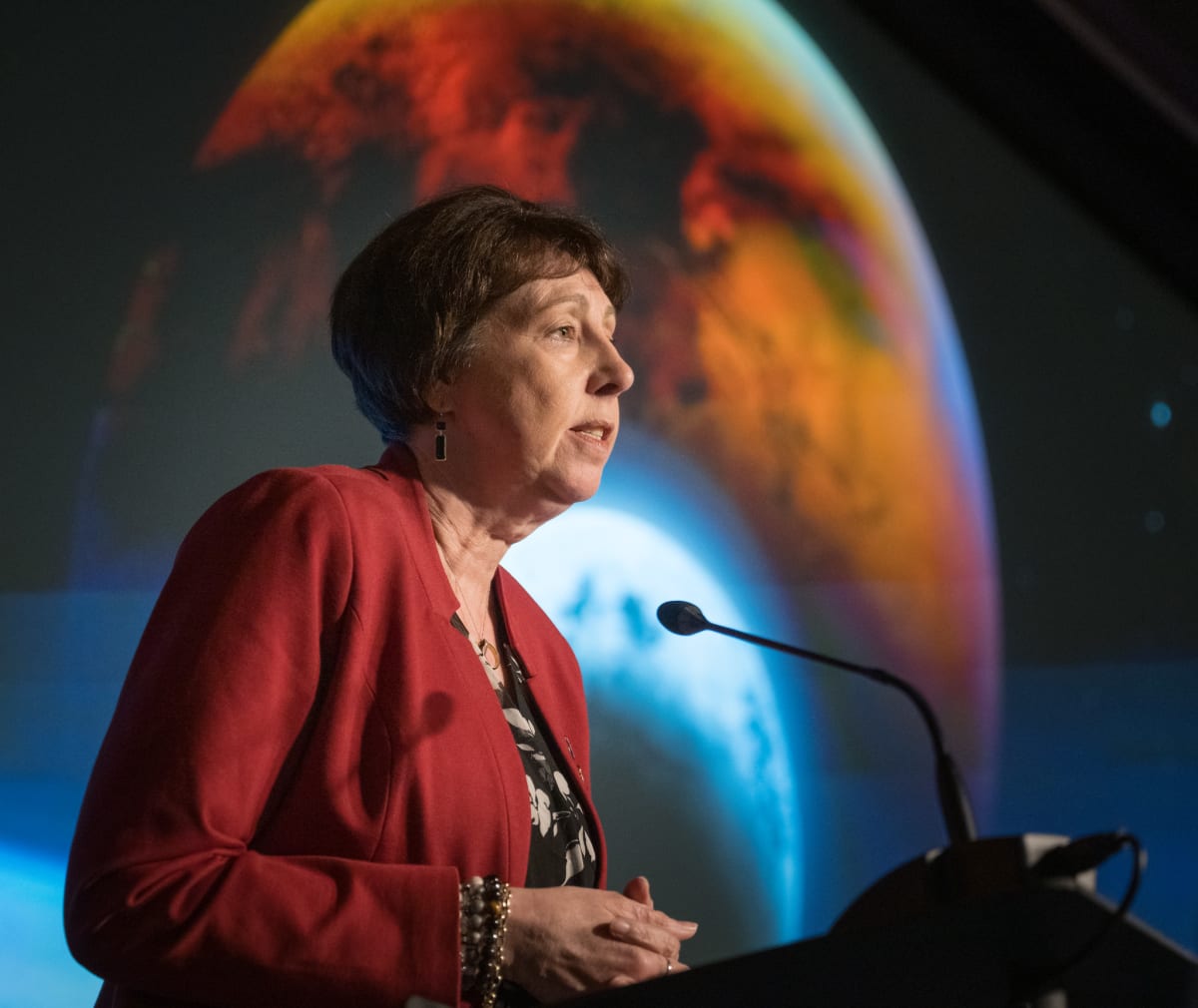
Nicky Fox, who leads NASA's science missions, shared an exciting vision during a recent interview. Instead of building one custom billion-dollar probe every decade, she wants to walk into a factory and say "I'll buy 10 of those" for $100 million each.
The timing makes sense. Launching into space has never been cheaper or easier, thanks to reusable rockets from SpaceX and others. Yet NASA is flying fewer science missions today than it did 25 years ago, despite having roughly the same inflation-adjusted budget.
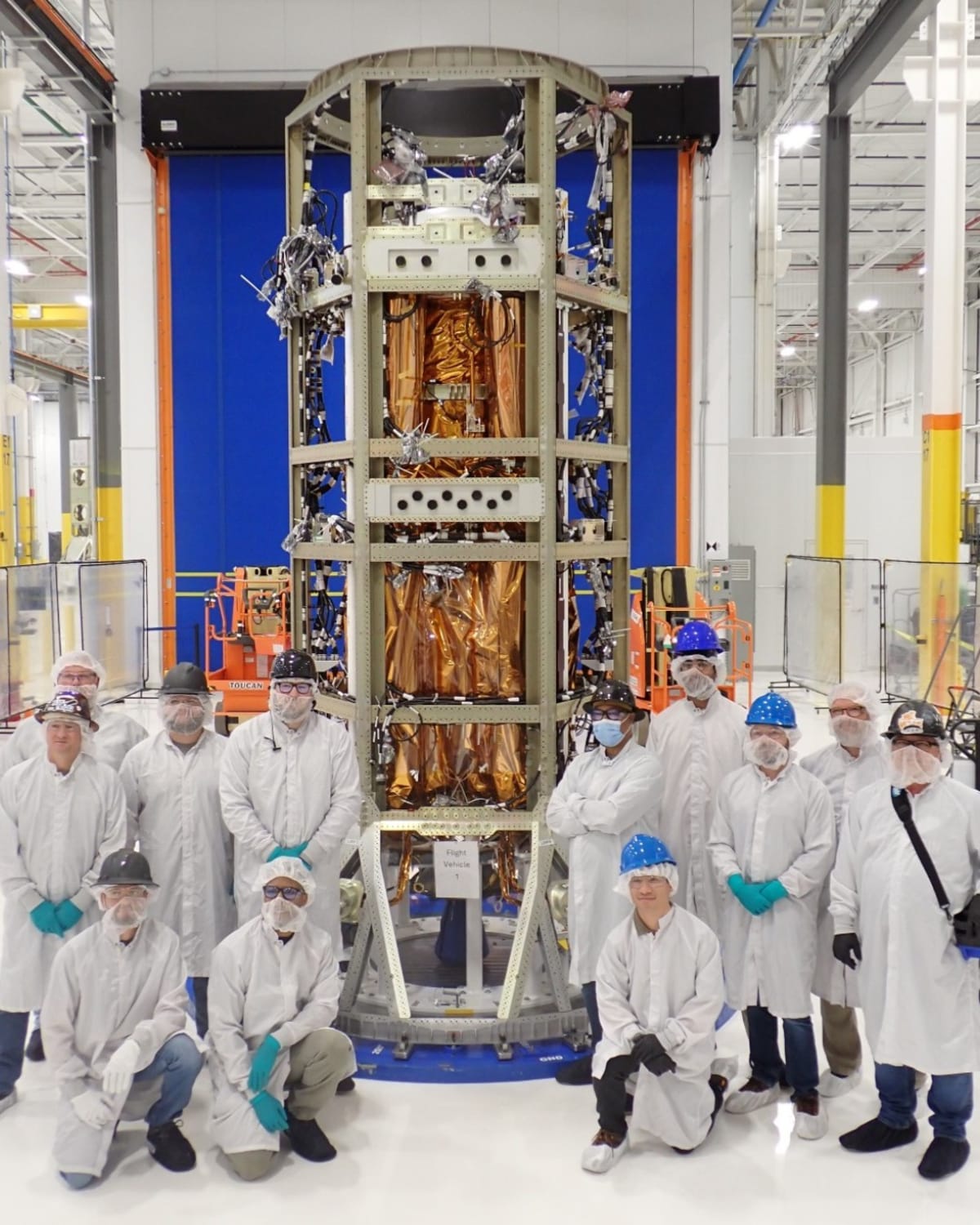
The bottleneck isn't money or access to space. It's how spacecraft get built. Most NASA probes are custom creations, handcrafted by big contractors over many years. There's no warehouse stocked with ready-to-fly telescopes and cameras waiting for their moment.
Fox wants to change that by embracing mass-produced satellite platforms. Think of it like choosing between a custom-built luxury car and 10 reliable sedans. You might lose some bells and whistles, but you get more vehicles on the road doing important work.
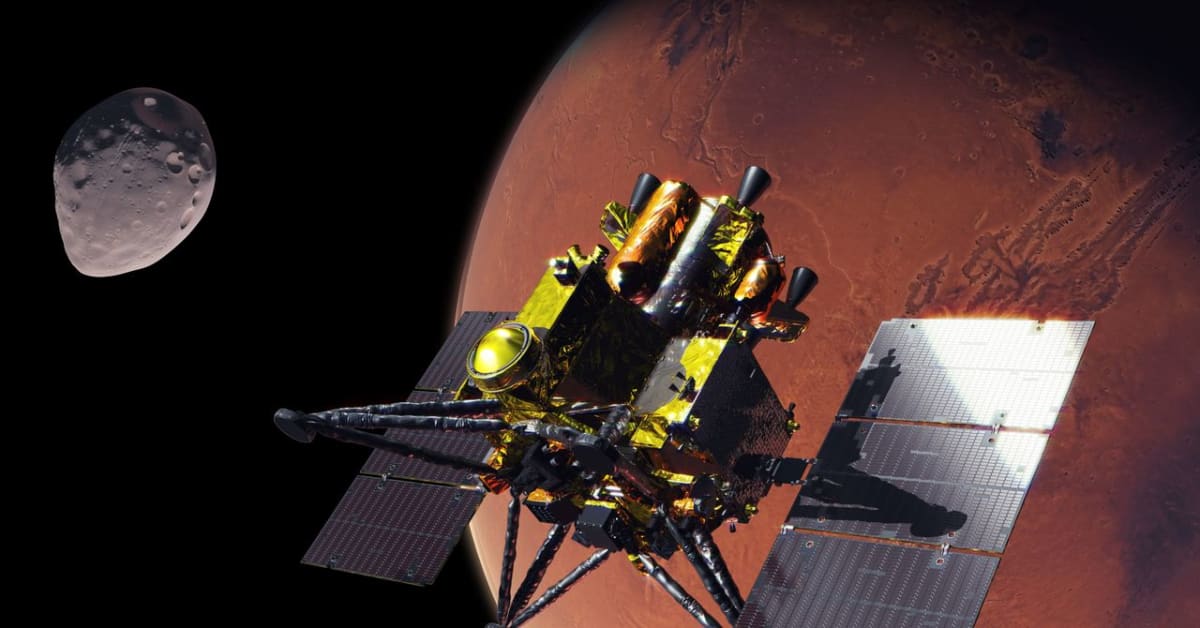
The model already exists for lunar missions. Through NASA's Commercial Lunar Payload Services program, private companies like Firefly Aerospace and Blue Origin build landers that carry NASA instruments to the Moon. Mars could be next.
Companies are racing to build these standardized spacecraft buses. Blue Origin, Rocket Lab, K2 Space, and others see demand from military and commercial customers, but NASA could ride the same wave. These platforms are designed for mass production, which means lower costs and faster turnaround times.
NASA Administrator Jared Isaacman has been pushing this approach since taking office. His mantra: more shots on goal. Rather than betting everything on a few massive missions, spread the risk and multiply the opportunities for discovery.
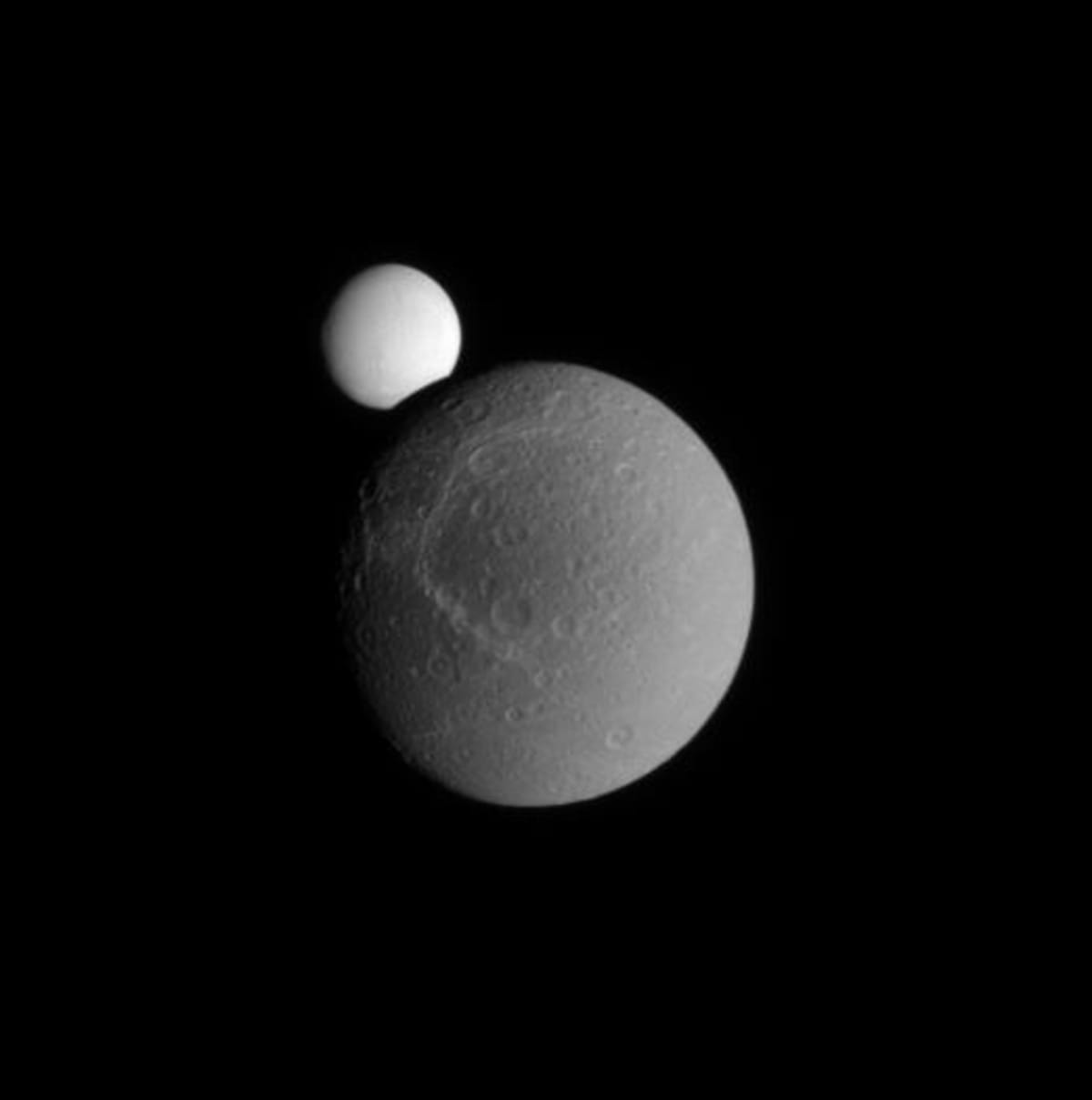
Some destinations will still need custom solutions. Flying under the ice on Saturn's moon Enceladus or sending probes into interstellar space requires specialized, expensive spacecraft. But missions to the Moon, Mars, Venus, and asteroids could use off-the-shelf designs.
The Ripple Effect
This shift could transform how quickly we explore space. Shorter gaps between missions mean scientists stay engaged and build on recent discoveries instead of waiting a decade for the next data. It means taking more chances on bold ideas that might not justify a billion-dollar investment but could still answer fundamental questions about our cosmic neighborhood.
The commercial space industry has already proven this model works for launching rockets. Now the same revolution could come to the spacecraft themselves, turning science missions from rare events into regular occurrences. More explorers means more eyes across the solar system, watching, measuring, and sending back the discoveries that inspire us all.
Fox's vision points toward a future where exploring other worlds becomes almost routine, where scientists can respond quickly to new findings, and where the next generation grows up expecting regular news from across our solar system.
More Images


Based on reporting by Ars Technica Science
This story was written by BrightWire based on verified news reports.
Spread the positivity!
Share this good news with someone who needs it
_07_03_2026_03_50_21_133108.jpg)