NASA Clears Moon Rocket for April 1 Launch with 4 Astronauts
After years of delays and repairs, NASA has cleared humanity's first crewed moon mission in over 50 years for launch as early as April 1. Four astronauts will fly around the moon aboard the Artemis II rocket, paving the way for future lunar landings.
For the first time in more than half a century, humans are heading back to the moon. NASA just cleared its massive Artemis II rocket for launch as early as April 1, carrying four astronauts on a historic lunar flyby.
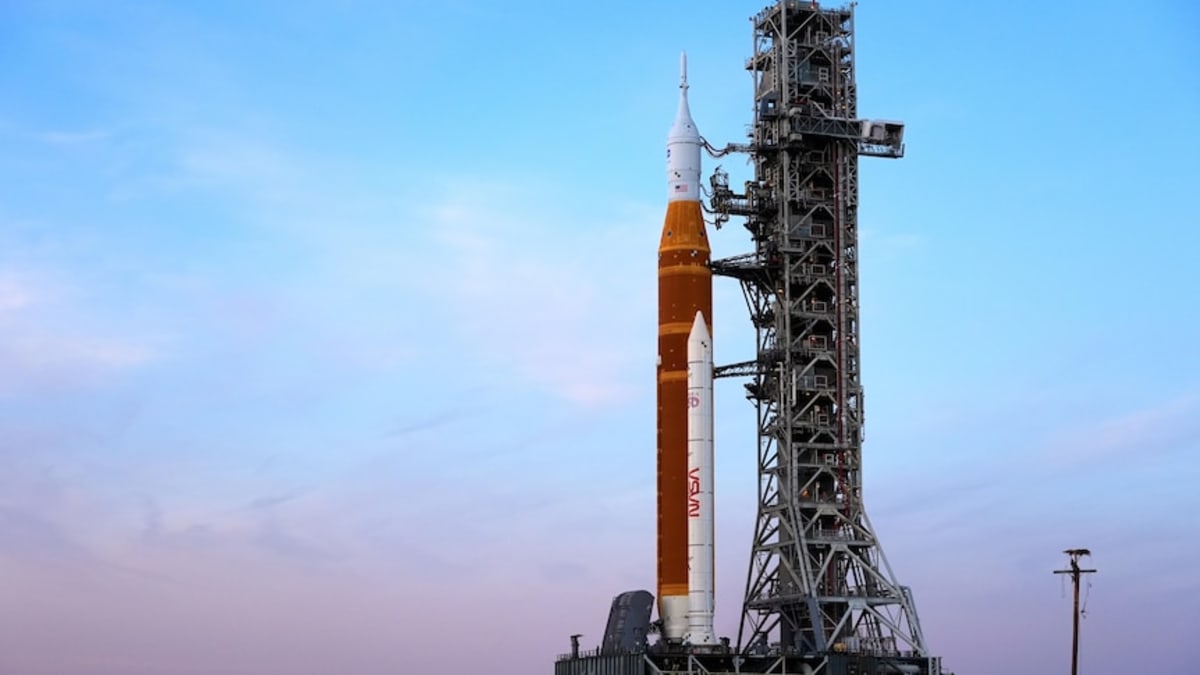
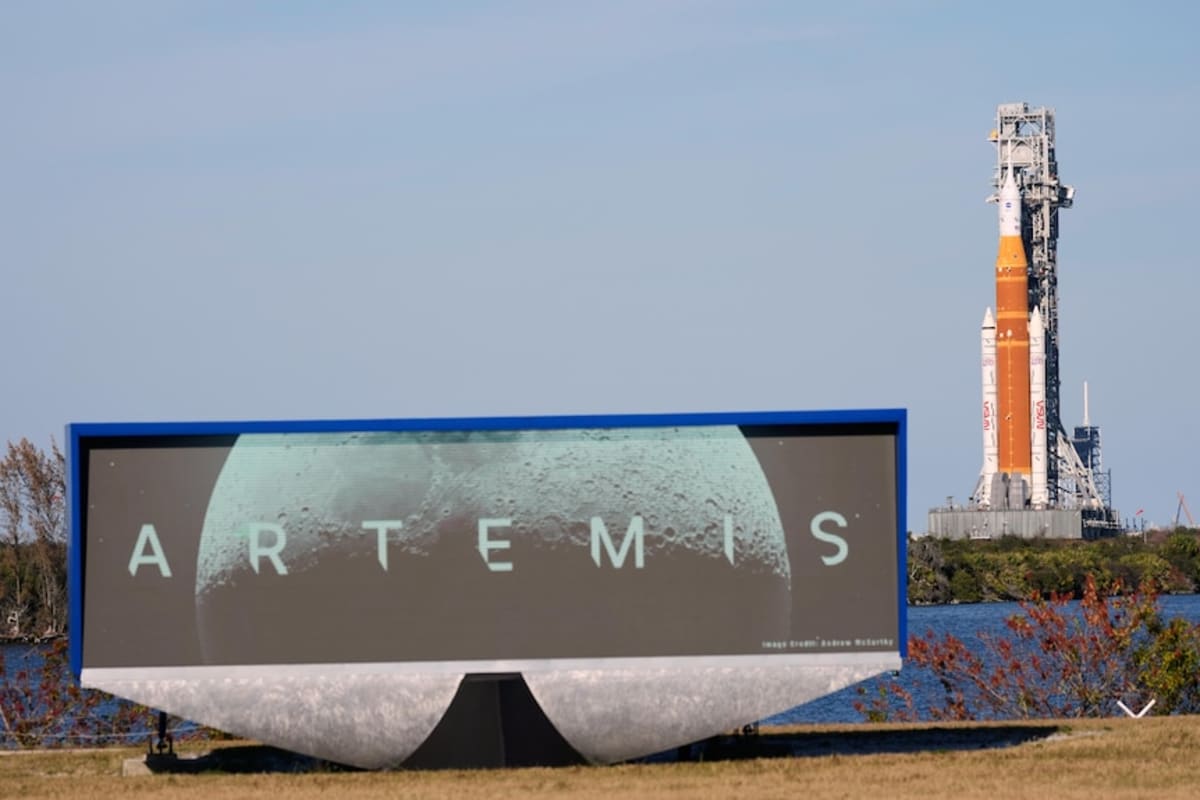
The 98-meter rocket will roll out to the launch pad at Florida's Kennedy Space Center next week. The space agency has a six-day window starting April 1 to make the launch happen, with a backup window between late April and early May if needed.
Getting here wasn't easy. The mission was originally scheduled for earlier this year, but hydrogen fuel leaks and other technical issues forced NASA to pull the rocket back into the Vehicle Assembly Building for repairs. Engineers finally plugged the leaks in February, only to discover a helium flow problem that required additional fixes.
Now, the rocket is ready. NASA officials acknowledge the risks that come with any new vehicle, especially one making only its second flight and first with crew. The Space Launch System flew just once before, more than three years ago on an uncrewed test mission.
NASA Administrator Jared Isaacman recently announced a major acceleration of the Artemis program. Frustrated by the slow pace and long gaps between missions, he added an extra practice flight for next year and is targeting one or possibly two moon landings by 2028. SpaceX and Blue Origin are racing to develop the lunar landers that will carry astronauts to the surface.
The Ripple Effect
This mission represents more than nostalgia for the Apollo era. The Artemis program aims to establish a lasting human presence on the moon, with astronauts eventually landing near the south pole where scientists believe water ice could support future bases.
The lessons learned from Artemis II will directly inform those landing missions. Every test, every repair, every successful system brings us closer to sustainable lunar exploration and eventually missions to Mars.
The last time humans visited the moon was December 1972, when Apollo 17 astronauts left their footprints in the lunar dust. An entire generation has grown up never knowing what it feels like to watch humans journey beyond Earth orbit.
That's about to change. In just weeks, four astronauts will strap into the Orion spacecraft and ride a pillar of fire toward our closest celestial neighbor, proving once again that the impossible is simply what we haven't done yet.
More Images

Based on reporting by ABC Australia
This story was written by BrightWire based on verified news reports.
Spread the positivity!
Share this good news with someone who needs it