NASA Clears Moon Rocket for April Launch with 4 Astronauts
After fixing fuel leaks and technical issues, NASA is ready to send four astronauts around the Moon in April, marking humanity's first lunar mission in over 50 years. The historic Artemis II flight represents a giant leap toward landing astronauts on the Moon's south pole by 2028.
Humanity is going back to the Moon, and it's happening next month.
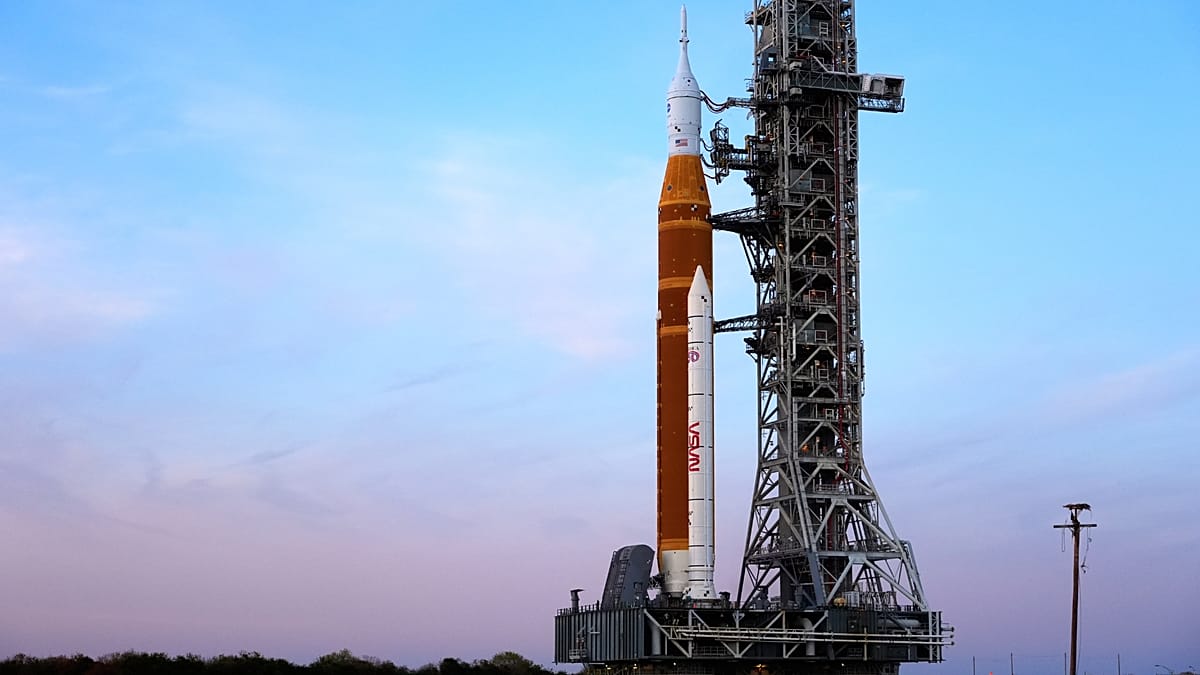
NASA has cleared its massive 98-meter rocket for launch as early as April 1, carrying four astronauts on a journey around the Moon. It will be the first time humans have ventured beyond Earth orbit since Apollo 17 splashed down in 1972.
The Artemis II mission faced its share of setbacks. Hydrogen fuel leaks and a helium flow problem forced engineers to roll the rocket back to the hangar for repairs. But after a thorough review, the team gave the green light this week.
"Our team and our hardware are ready," said Lori Glaze, NASA's Deputy Associate Administrator for Exploration Systems Development. The rocket heads to the launch pad next week at Florida's Kennedy Space Center, with a six-day window starting April 1.
The mission comes as NASA Administrator Jared Isaacman announced an ambitious overhaul of the Artemis program. Frustrated by the slow pace between missions, he added an extra practice flight for next year and is targeting one or possibly two lunar landings in 2028.
SpaceX and Blue Origin are racing to build the lunar landers that will carry astronauts to the Moon's south pole. This challenging terrain offers access to water ice in permanently shadowed craters, a resource that could sustain future lunar bases.
The Ripple Effect
The renewed push to the Moon is creating ripples far beyond this single flight. By adding more frequent missions, NASA is building the operational rhythm needed to reduce risk and establish a permanent human presence beyond Earth.
The accelerated timeline means more opportunities for scientific discovery, more jobs in aerospace, and faster development of technologies that will eventually take humans to Mars. Every flight builds experience and confidence for the next.
During the Apollo era, NASA sent 24 astronauts to the Moon, with 12 walking on its surface. Now, a new generation gets their chance to explore. The missions ahead will venture to unexplored polar regions and lay groundwork for sustained lunar exploration.
Yes, this test flight carries risk, but history shows that bold steps forward always do. What matters is that after five decades of waiting, we're finally taking the next giant leap.
More Images



Based on reporting by Euronews
This story was written by BrightWire based on verified news reports.
Spread the positivity!
Share this good news with someone who needs it