NASA Commits $20B to Build Moon Base and Mars Nuclear Craft
NASA is building a permanent base on the moon's surface and launching a nuclear-powered spacecraft to Mars by 2028. The bold $20 billion plan replaces the agency's original space station design with infrastructure built for the long haul.
America is planting roots on the moon, and this time we're staying.
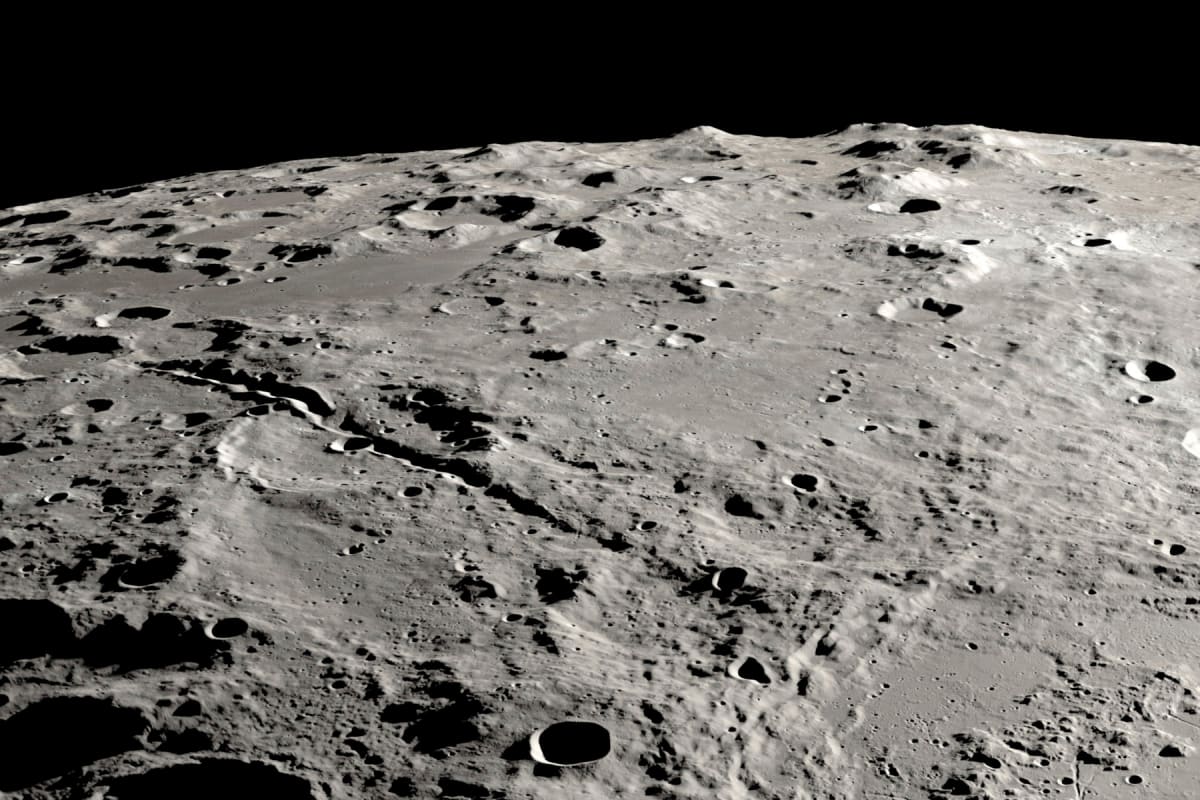
NASA announced Tuesday it will spend $20 billion over the next seven years to construct a permanent base on the lunar surface while advancing plans for a nuclear-powered spacecraft headed to Mars. The space agency is scrapping its original lunar-orbit station in favor of building directly on the moon itself.
Administrator Jared Isaacman outlined the dramatic shift during a meeting with Artemis program partners in Washington, DC. The changes mark a complete overhaul of NASA's approach to long-term space exploration.
Robotic missions will arrive first, testing technologies and building infrastructure before astronauts return later this decade. This groundwork will help establish nuclear power capabilities on the moon and prepare the site for sustained human presence.
The agency also revealed plans to launch Space Reactor 1 Freedom before the end of 2028. This nuclear-powered spacecraft will demonstrate electric propulsion technology on its journey to Mars, delivering helicopters similar to the groundbreaking Ingenuity craft that flew on the Red Planet in 2021.
Ingenuity made history as the first aircraft to achieve powered flight on another planet. The new helicopters will build on that success while proving nuclear propulsion can work beyond laboratory testing.
The original Lunar Gateway station was designed as an orbital base where astronauts could live and work before traveling to the moon's surface. NASA now plans to repurpose some Gateway components for use in the surface base instead.
The changes reshape billions of dollars in contracts and come as China aims to land astronauts on the moon by 2030. The competition is driving innovation and urgency in America's space program.
The Ripple Effect
This shift represents more than just changing construction plans in space. By committing to permanent lunar infrastructure, NASA is treating the moon as a testing ground for technologies we'll need to survive on Mars and beyond.
The decision to focus on surface operations over orbital stations could accelerate timelines for meaningful scientific research. A moon base offers gravity, protection from radiation through underground facilities, and access to resources like water ice at the lunar poles.
International partners including Japan, Canada, and the European Space Agency will need to redefine their roles in the program. But the promise of sustained lunar operations opens new possibilities for global cooperation in space exploration.
The Artemis program began in 2017 as NASA's long-awaited follow-up to the Apollo missions that ended in 1972. This time, the goal isn't just to visit but to stay, creating a permanent human presence beyond Earth.
Humanity is taking its biggest step toward becoming a multi-planet species since we first walked on the moon over half a century ago.
Based on reporting by Google News - Science
This story was written by BrightWire based on verified news reports.
Spread the positivity!
Share this good news with someone who needs it