NASA Confirms Asteroid 2024 YR4 Won't Hit Moon in 2032
The asteroid once called the most dangerous discovery in 20 years is no longer a threat to Earth or the moon. Thanks to the James Webb Space Telescope, scientists have completely ruled out any chance of impact.
A space rock that briefly had astronomers on edge is officially off the danger list.
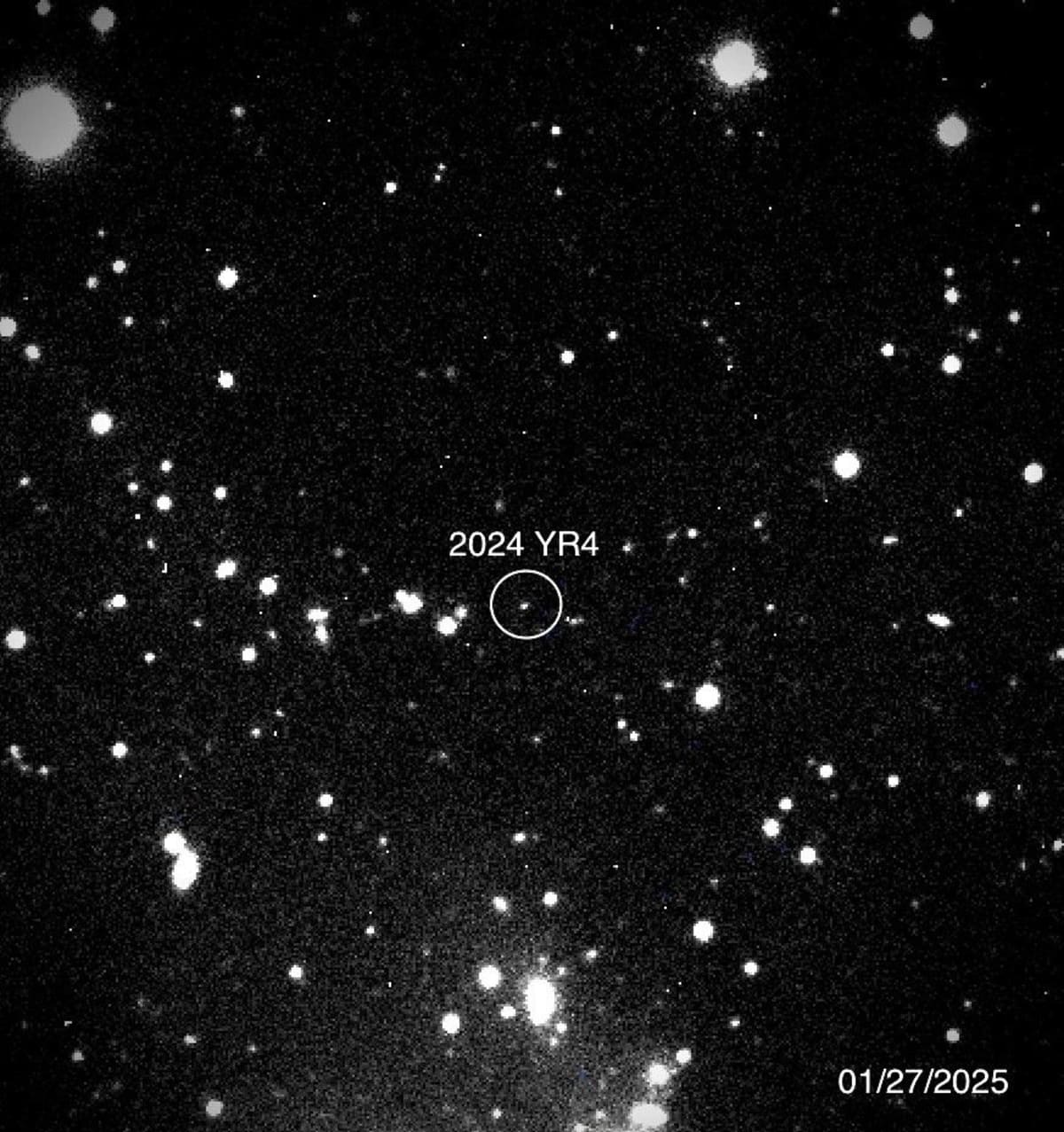
Asteroid 2024 YR4, discovered in late 2024, initially earned the alarming title of the most dangerous asteroid found in two decades. Early calculations suggested a small chance it could strike Earth or the moon in 2032.
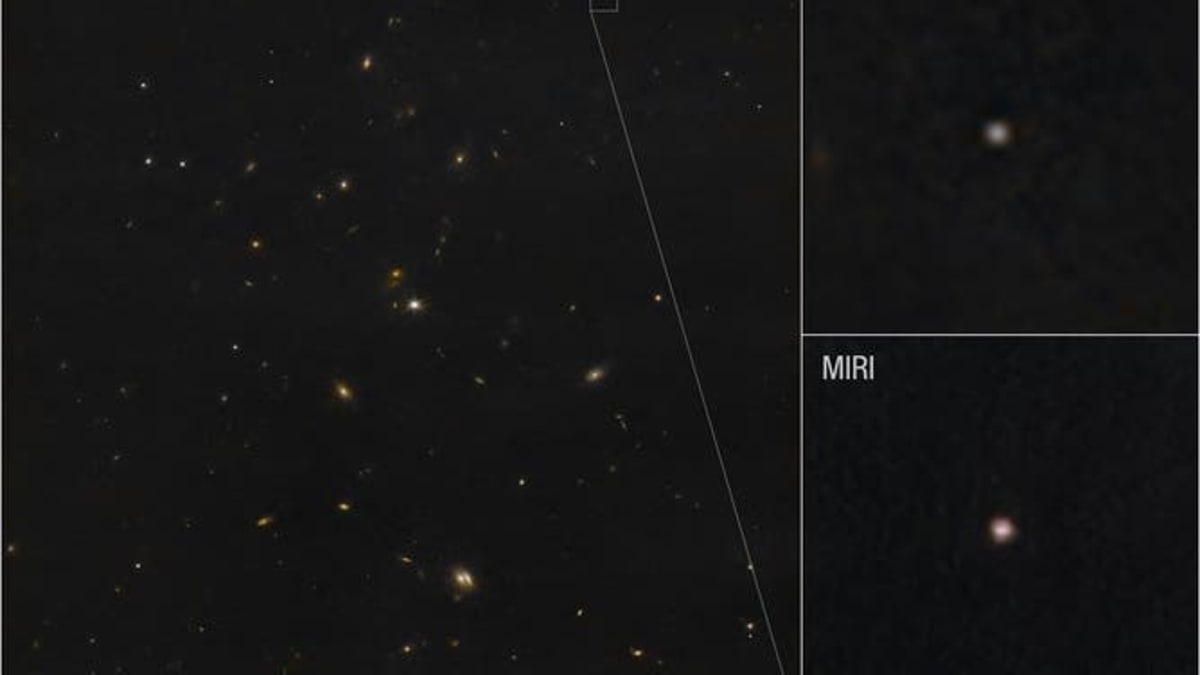
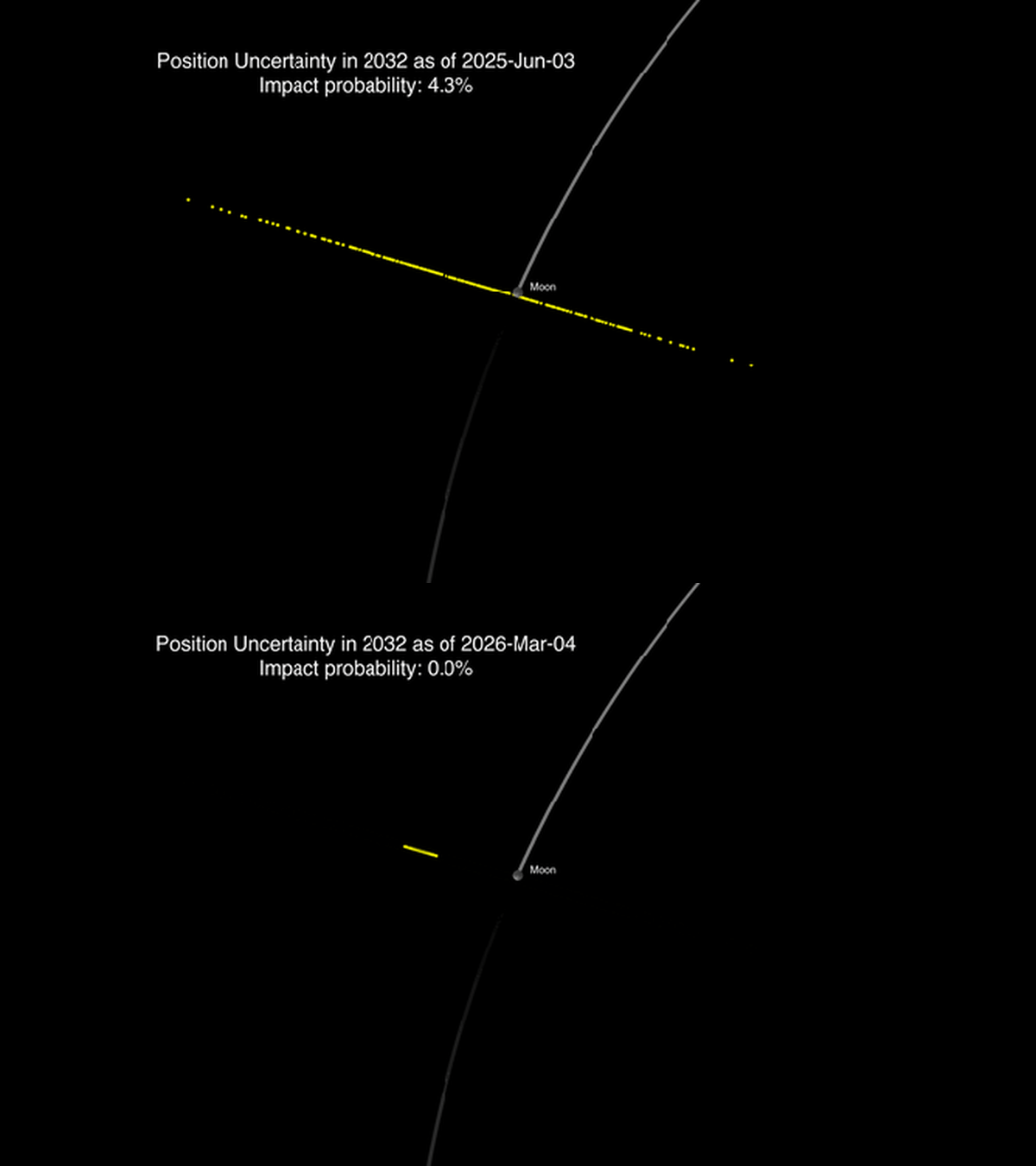
But NASA has good news. Using cutting-edge observations from the James Webb Space Telescope in February, scientists at NASA's Center for Near-Earth Object Studies tracked the asteroid's path with unprecedented precision. They've now completely ruled out any lunar impact in 2032.
The telescope captured the faintest-ever observations of the asteroid, allowing researchers to refine their calculations. What once seemed like a potential threat turned out to be a false alarm.
The odds were never catastrophic. There was only a 4.3% chance the asteroid would hit the moon, and Earth was never in serious danger after additional observations in early 2025.
The Bright Side
This story showcases how far our planetary defense systems have come. The James Webb Space Telescope, launched to peer into the deepest corners of space, is also protecting us closer to home by tracking potential threats with incredible accuracy.
NASA estimates that car-sized asteroids enter Earth's atmosphere about once a year and burn up harmlessly. Larger impacts are rare. A football-field-sized meteoroid only strikes Earth every 2,000 years or so, and civilization-threatening asteroids appear just once every few million years.
Most space rocks smaller than 82 feet disintegrate in our atmosphere before causing any damage. That natural shield, combined with increasingly sophisticated monitoring systems, means we're better protected than ever.
The asteroid became unobservable in spring 2025 from both ground and space-based telescopes. Scientists don't expect to see it again until 2028, but when it returns, it will be as a known, tracked object posing no danger.
We can all breathe a little easier knowing our cosmic neighborhood watch is working.
More Images
Based on reporting by Google: NASA discovery
This story was written by BrightWire based on verified news reports.
Spread the positivity!
Share this good news with someone who needs it