NASA Crew-12 to Test Blood Clot Prevention in Space
Astronauts launching to the International Space Station will help solve a critical health mystery: why weightlessness might cause dangerous blood clots. Their research could protect future crews traveling to the Moon and Mars.
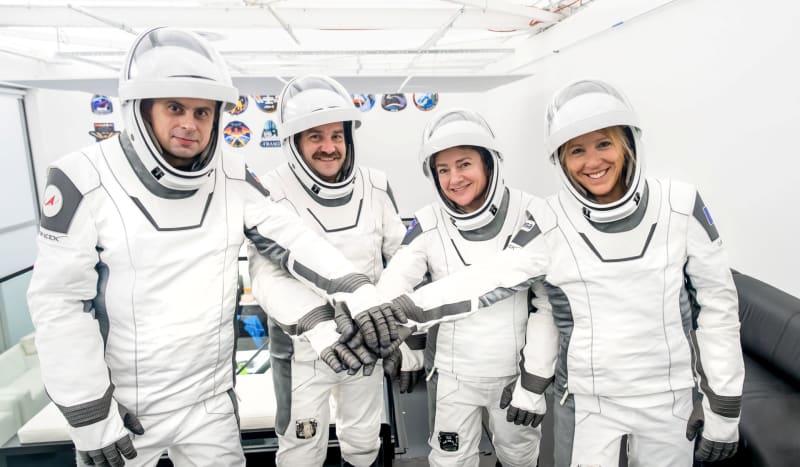
Four astronauts preparing for NASA's SpaceX Crew-12 mission will become medical detectives in space, studying how their own bodies adapt to life without gravity.
The crew will participate in groundbreaking health studies that could make deep space travel safer for everyone who follows. NASA astronauts Jack Hathaway and Jessica Meir, ESA astronaut Sophie Adenot, and Roscosmos cosmonaut Andrey Fedyaev will conduct experiments while living aboard the International Space Station.
One major study focuses on a worrying pattern scientists have noticed. In weightlessness, blood and fluids drift toward the head instead of pooling in the legs like they do on Earth. This shift might increase the risk of blood clots that could cause strokes.
"Our goal is to use this information to better understand how fluid shifts affect clotting risk, so that when astronauts go on long-duration missions to the Moon and Mars, we can build the best strategies to keep them safe," said Dr. Jason Lytle, a physiologist at NASA's Johnson Space Center.
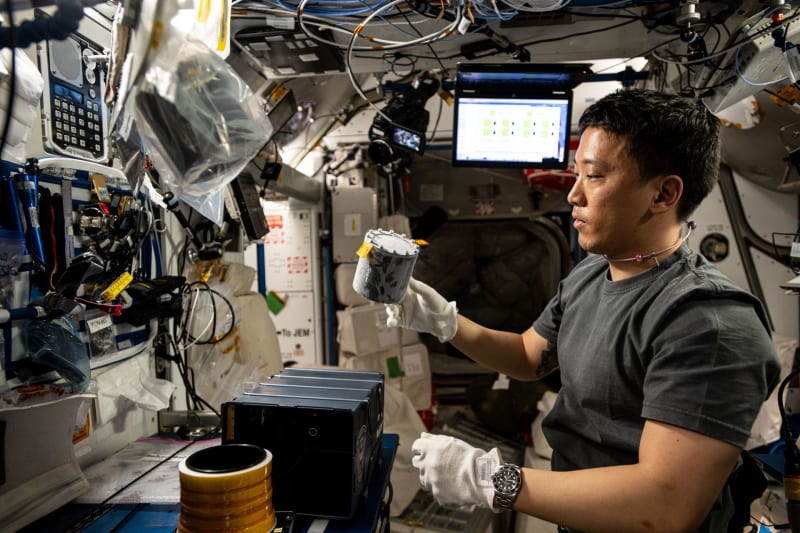
The astronauts will perform ultrasounds on their own jugular veins, check their blood pressure, and draw blood samples for analysis back on Earth. They'll also complete MRIs before and after their mission to track any changes.
Another experiment tackles a different challenge: landing a spacecraft after months in zero gravity. Crew members will practice simulated Moon landings throughout their mission, flying a virtual spacecraft toward the lunar South Pole where future Artemis astronauts plan to explore.
Dr. Scott Wood, a neuroscientist at NASA Johnson, explains that astronauts often feel disoriented when switching between gravity environments. While Moon and Mars landings will be automated, crews need to be ready to take manual control if something goes wrong.
The research extends beyond the space station too. When astronauts return to Earth, scientists will document any injuries from landing, like scrapes or bruises. That data will help engineers design spacecraft that better protect crews when gravity suddenly returns.
The Ripple Effect
These studies aren't just about keeping a handful of astronauts safe. Every ultrasound, every blood draw, every simulated landing adds to humanity's growing knowledge of how to thrive beyond Earth.
The lessons learned aboard Crew-12 will directly shape training programs and safety protocols for Artemis missions returning humans to the Moon. Future Mars explorers will benefit from solutions developed today.
Four people floating 250 miles above Earth are quietly building the roadmap for humanity's next giant leap.
More Images

Based on reporting by Google News - Science
This story was written by BrightWire based on verified news reports.
Spread the positivity!
Share this good news with someone who needs it