NASA Crew Returns Safely From Moon After 50 Years
Four astronauts just completed humanity's first trip around the Moon in over half a century, splashing down safely off California's coast. The flawless mission marks America's return to deep space exploration and sets the stage for a permanent lunar base.
After nine days circling the Moon and traveling farther from Earth than any humans in history, four astronauts are safely home with thousands of stunning photos and renewed hope for space exploration.
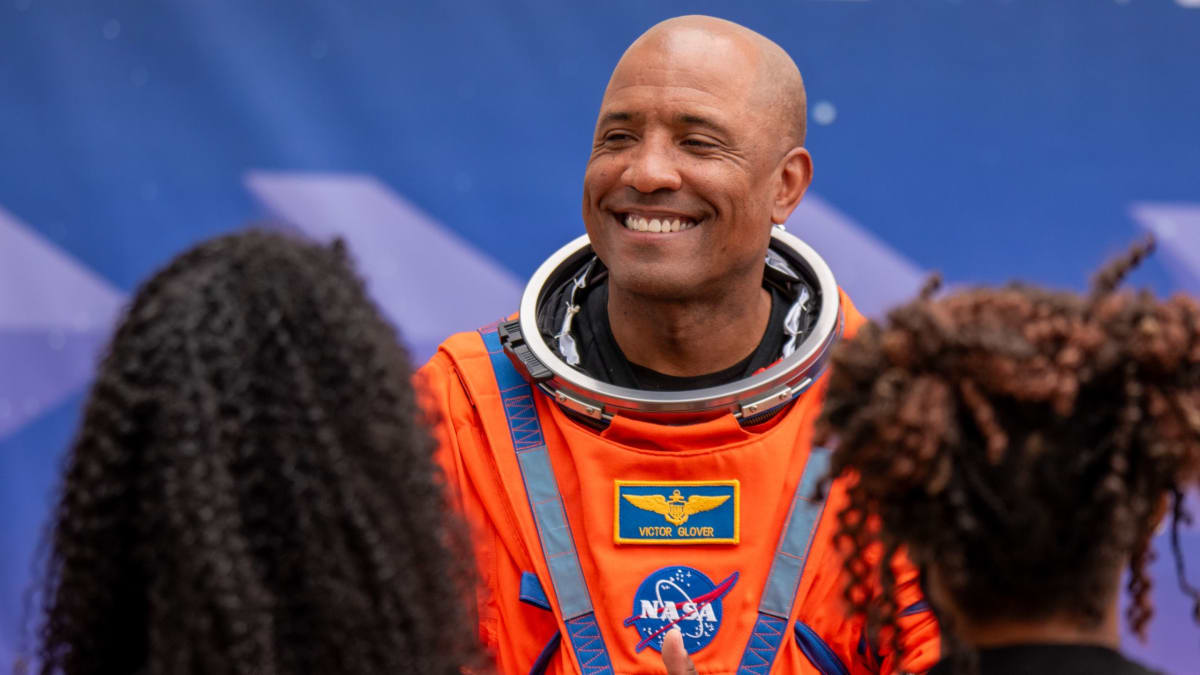
The Artemis II crew splashed down Friday evening off the California coast, completing NASA's first crewed lunar mission since 1972. Commander Reid Wiseman, Christina Koch, Victor Glover, and Canadian Jeremy Hansen all walked off the recovery ship unassisted, smiling and waving to cheering mission control teams.
"We're back in the business of sending astronauts to the Moon," declared NASA administrator Jared Isaacman. "This is just the beginning."
The journey broke multiple records and barriers. The crew traveled 252,756 miles from Earth, the farthest any human has ever ventured into space. Koch became the first woman to fly around the Moon, while Glover became the first person of color to make the journey.
The mission's success hinged on a nail-biting reentry through Earth's atmosphere. The spacecraft reached speeds over 30 times the speed of sound while its heat shield faced temperatures half as hot as the Sun's surface. An earlier uncrewed test had revealed shield complications, making this the ultimate test of NASA's fixes.
"If you didn't have anxiety bringing this spacecraft home, you probably didn't have a pulse," admitted flight director Rick Henfling. But after a tense communications blackout, Wiseman's voice crackled through: "We're stable and green."
The crew captured breathtaking images during their voyage, witnessing a solar eclipse from deep space and meteorite strikes on the lunar surface. Their photo collection has already captivated millions back on Earth.
The Ripple Effect
This mission represents more than a victory lap around the Moon. NASA plans to use lessons learned to build a permanent lunar base by the late 2020s, which will serve as a launching point for Mars missions.
The success comes as China races to land its own astronauts on the Moon by 2030. Clayton Swope of the Center for Strategic and International Studies calls Artemis II "proof that when America keeps its eye on the prize, it can still do very great things."
Astronomer Derek Buzasi, who previously doubted the Artemis program, now has "fresh confidence in our next steps as we go back to the Moon to stay." The flawless execution has reinvigorated support for ambitious space exploration goals.
The mission also showcased international cooperation, with Canadian Hansen becoming the first non-American to circle the Moon. His presence highlights how returning to space is bringing nations together for shared discovery.
Engineers will now spend months examining the Orion capsule to ensure it can safely carry future crews, including those who will actually land on the lunar surface as soon as 2028.
After 50 years away, humanity has rediscovered its path to the Moon, and this time we're planning to stay.
More Images


Based on reporting by Google: space mission success
This story was written by BrightWire based on verified news reports.
Spread the positivity!
Share this good news with someone who needs it