NASA Crew Spots Moon "Breathing" During Artemis II Flight
Artemis II astronauts witnessed a ghostly blue glow over the Moon's dark side, capturing the strongest evidence yet that our closest neighbor is geologically alive. The discovery could reshape where future missions land and what resources they find.
Four astronauts just returned from the Moon with footage that scientists are calling impossible to ignore: a faint blue shimmer dancing across the lunar night, proving our ancient companion still has secrets to share.
The Artemis II crew splashed down in the Pacific Ocean after days orbiting the Moon, their capsule bobbing under orange parachutes as recovery teams raced to meet them. But the real excitement wasn't the flawless return. It was what they saw in the darkness above Aristarchus Plateau.
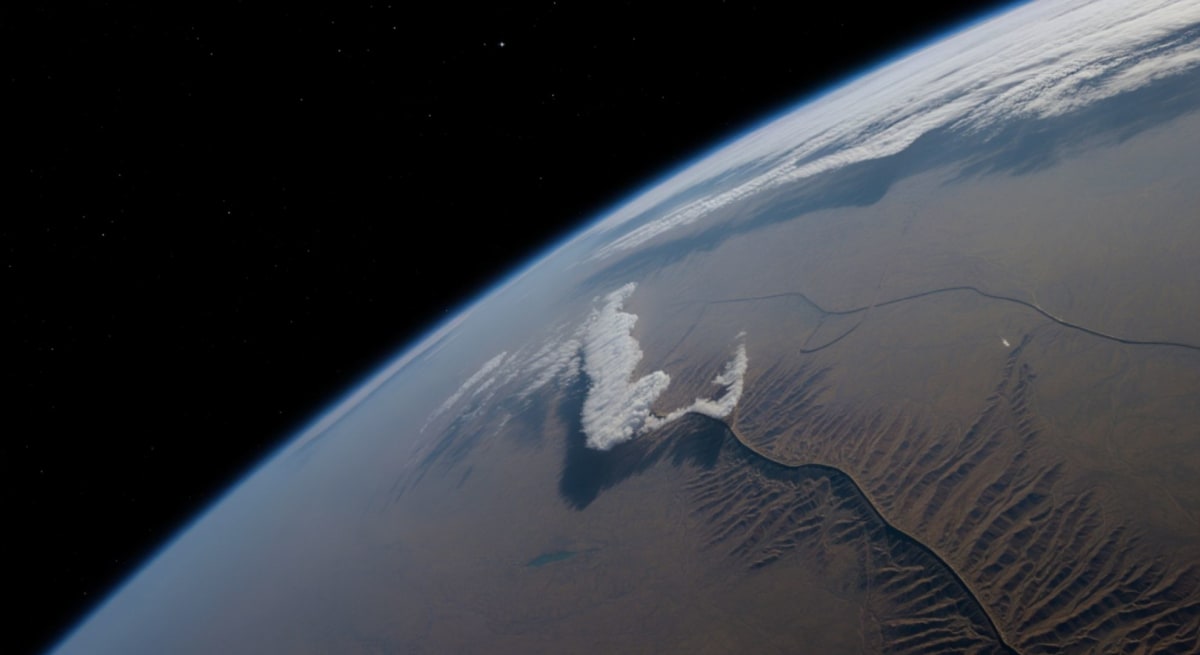
"It felt like the Moon exhaled, and for a moment, we could see that breath," one astronaut said, describing a delicate glow that appeared over the sunless farside. At the same moment, instruments detected surging levels of argon and radon, gases that escape from fractured rock deep below the surface.
The crew dimmed their cabin lights and pressed cameras to the windows, capturing what decades of remote observation could only hint at. The glow was so faint it seemed more like music you notice only when a room goes completely still.
Scientists on Earth confirmed the discovery independently. Telescopes detected a sharp spike in sodium emissions at precisely the same time, strengthening the case that this wasn't a glitch or trick of light. The Moon's normally wispy sodium tail reshaped into a brilliant spear, visible in wavelengths never before combined from a crewed vantage point.
For years, the Moon wore the label "dead," a silent museum of ancient impacts and dusty craters. But clues kept appearing: mysterious flashes spotted by Apollo crews, faint gas detections by robotic missions, unexplained charging events that troubled instruments.
This time, astronauts caught the system in the act. A regional outgassing event, likely triggered by internal moonquakes or tidal stress, released enough gas to thicken the lunar atmosphere just enough to scatter sunlight into an aurora-like display.
The Ripple Effect
The discovery changes planning for every mission ahead. Resource teams now know that fresh fractures might concentrate water ice and useful gases, guiding landers toward richer deposits. Safety planners are mapping outgassing zones that could lift dust or interfere with communications during critical landing phases.
More missions are already being redesigned to watch the Moon during predicted stress peaks. Robotic landers will deploy seismometers to listen for the Moon's pulse, while cameras scan for the next breath of light along the dark horizon.
If the data holds through final scrutiny, scientists will rewrite textbooks. The Moon isn't just remembering its violent past—it's actively changing, releasing gases, shifting in response to Earth's gravitational tug, and wearing a thin veil that rises where light and silence meet.
Back on the recovery deck, the astronauts traded disbelieving smiles, not from surviving the void but from bringing home a living mystery. The next crew will launch knowing the Moon still has stories to tell, written in whispers of gas and fleeting blue light above a world we thought we understood.
Based on reporting by Google: NASA discovery
This story was written by BrightWire based on verified news reports.
Spread the positivity!
Share this good news with someone who needs it