NASA CubeSat Tests Solar Neutrino Detector in Space
A tiny spacecraft launched to study neutrinos, mysterious particles that zip through the universe at nearly the speed of light. This mission could unlock secrets about the Sun's core and the very structure of our universe.
Scientists just launched a shoebox-sized satellite that could revolutionize how we understand the Sun and the invisible particles streaming through space right now.
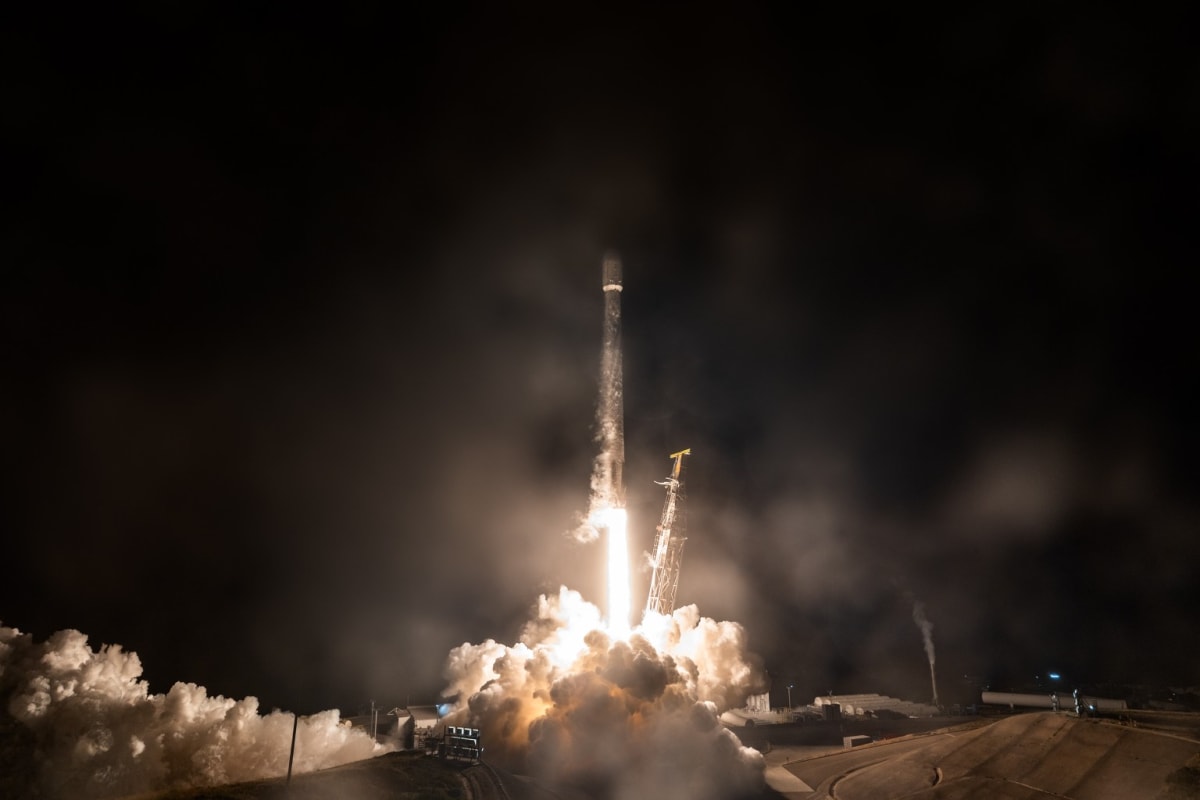
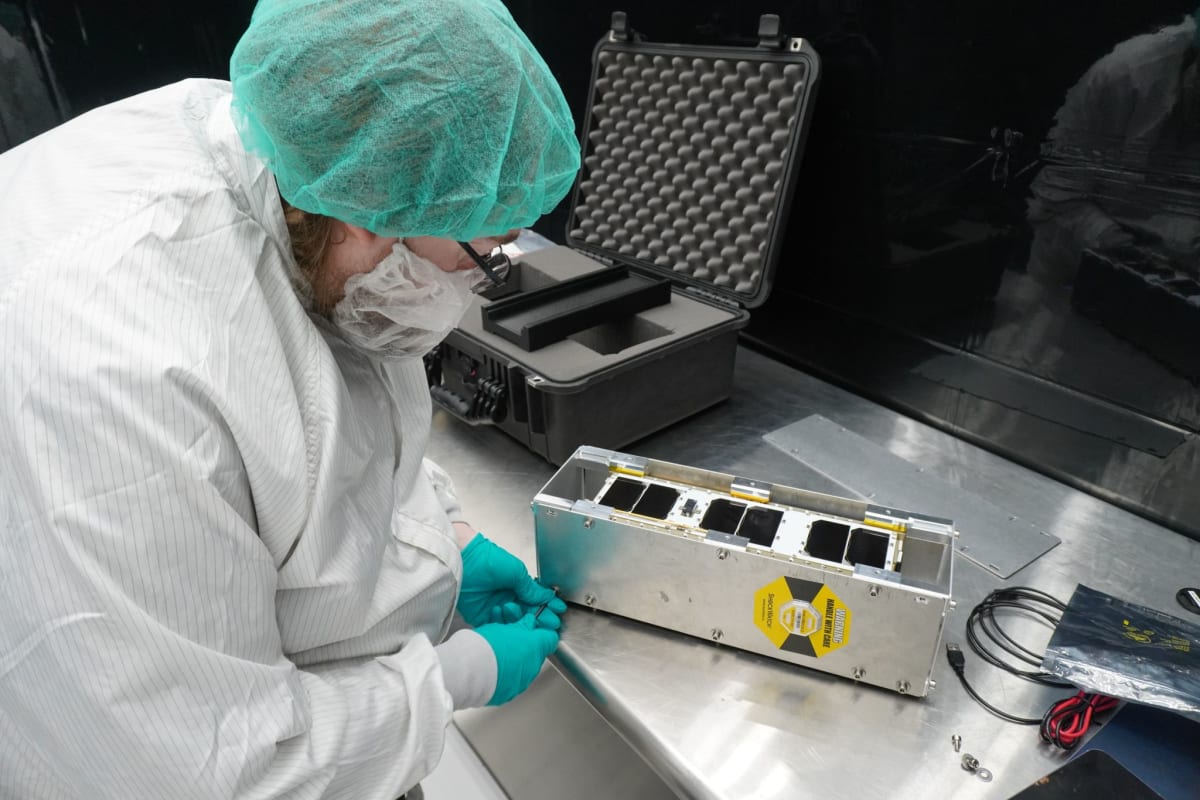
The Solar Neutrino Astro-Particle Physics CubeSat, called SNAPPY, lifted off aboard a SpaceX Falcon 9 rocket from California's Vandenberg Space Force Base in early May. The small but mighty spacecraft carries a prototype detector designed to study neutrinos, particles so abundant and elusive that trillions pass through your body every second without you noticing.
Nick Solomey, a physics professor at Wichita State University, dreamed up SNAPPY after learning about NASA's Parker Solar Probe mission. The probe flies through the Sun's corona, where the neutrino flux is nearly 1,000 times stronger than what reaches Earth.
"All life on Earth relies on the Sun," Solomey explained. "We must work to understand this ball of energy to the best of our abilities because it's what makes life on Earth possible."
The detector itself weighs just half a pound and consists of four crystals protected by tungsten-loaded shielding. On Earth, scientists must bury neutrino detectors deep underground to catch their faint signals, but SNAPPY will test whether these measurements can work in space.
The Ripple Effect
This mission represents more than just technical achievement. Thirty-six graduate and undergraduate students have worked on SNAPPY, gaining hands-on experience with cutting-edge space technology.
The data SNAPPY collects will help scientists determine if a larger detector could someday fly closer to the Sun. Such a mission could reveal new insights about solar energy production, the origin of mass, and fundamental forces shaping our universe.
Universities and NASA centers across the country collaborated to make this happen, including Marshall Space Flight Center, Jet Propulsion Laboratory, and teams from Minnesota, Michigan, and South Dakota. NASA's Innovative Advanced Concepts program supported SNAPPY through three funding phases from 2018 to 2021, nurturing the idea from concept to launch.
Neutrinos are believed to be the second most abundant particles in the universe. Understanding them better could help explain how stars work, how elements form, and what powers the cosmic engines that make life possible.
SNAPPY proves that breakthrough science doesn't always require massive budgets or giant telescopes—sometimes the biggest discoveries come in the smallest packages.
More Images
Based on reporting by NASA
This story was written by BrightWire based on verified news reports.
Spread the positivity!
Share this good news with someone who needs it