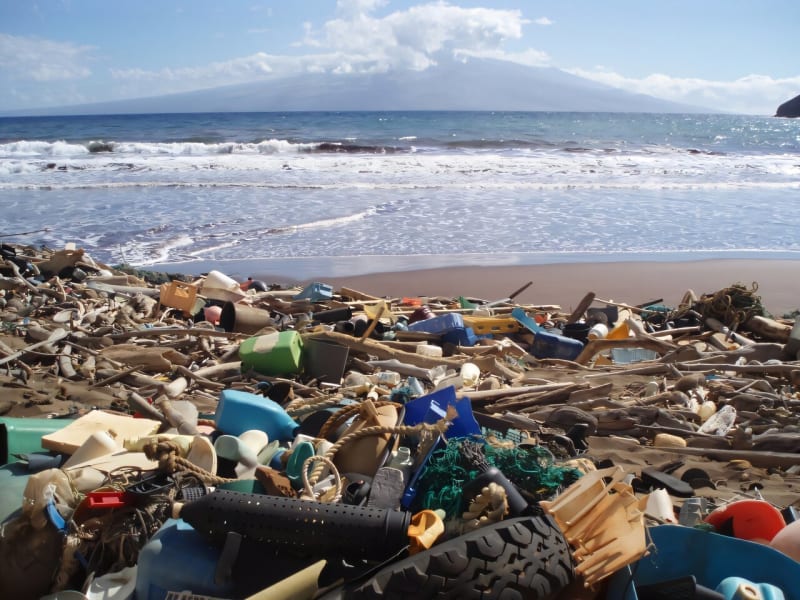
NASA Detects Ocean Plastic From Space for First Time
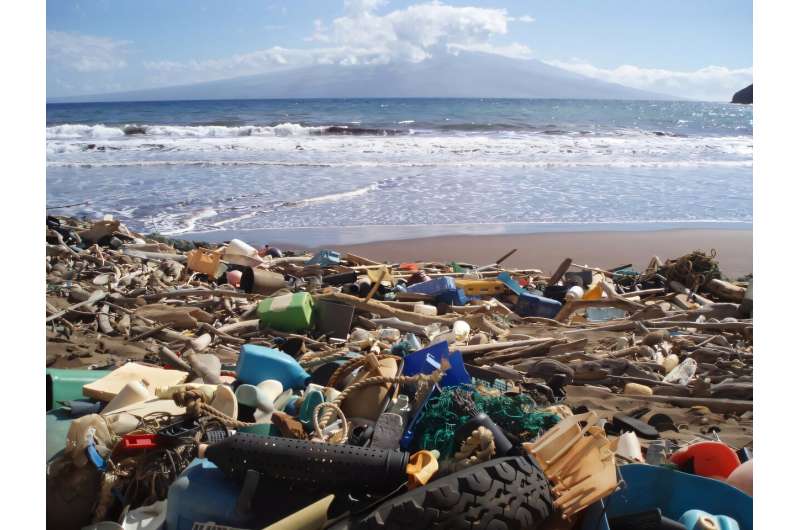
Scientists just built a tool that could help spot plastic pollution in our oceans from space, bringing us closer to tracking millions of tons of debris before it spreads across the globe. A new library of 25,000 "fingerprints" from marine trash is helping researchers teach satellites what to look for.
Imagine spotting a plastic bottle floating in the Pacific Ocean from 250 miles up in space. That future just got a lot closer thanks to groundbreaking work at NASA.
Scientists recently announced they've created a massive reference library containing nearly 25,000 molecular "fingerprints" from ocean debris. The collection includes spectral patterns from rope, tires, bubble wrap, buoys, bottle caps, and 19 different types of plastic polymers.
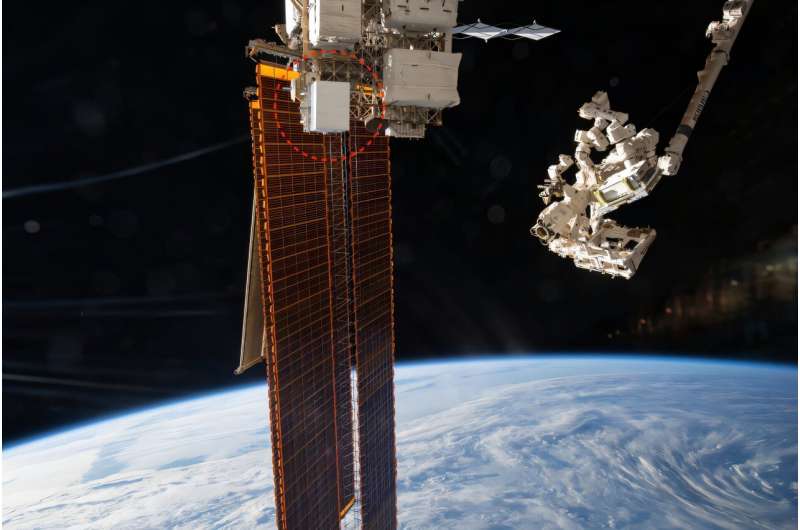
The breakthrough builds on exciting news from late 2025, when researchers detected plastic pollution on land for the first time using NASA's EMIT sensor aboard the International Space Station. Now marine scientists want to tackle an even bigger challenge: tracking the estimated 8 million tons of plastic entering our oceans every year.
NASA intern Ashley Ohall led the effort to compile this open-source library, which standardizes years of research into one searchable database. Different types of debris create unique patterns in reflected sunlight, and weathered materials look different than fresh ones. By knowing these patterns, scientists can develop detection algorithms for satellites.
The Ripple Effect
The implications reach far beyond just counting plastic bottles. Most ocean plastic starts on land, so mapping pollution hot spots near coastlines could help us stop debris before it washes out to sea and travels thousands of miles on ocean currents.
Better tracking could transform public health and coastal tourism. Communities could identify problem areas faster and take action before debris spreads. Beach cleanups could become more strategic and effective.
The technology behind this breakthrough, called imaging spectroscopy, was pioneered at NASA's Jet Propulsion Laboratory. EMIT cousins have already discovered water on the moon and are helping future astronauts identify valuable sampling sites.
The ocean challenge is tougher than land detection because seawater absorbs infrared light, hiding many of plastic's telltale spectral features. That's why Ohall's library is so crucial. It gives scientists the data they need to overcome these obstacles.
"My biggest hope is that people see remote sensing as an important and useful tool for marine debris monitoring," said Ohall, a recent University of Georgia graduate from Florida. "Just because it hasn't been done yet doesn't mean it can't be done."
Scientists are also training artificial intelligence tools to sift through satellite imagery, combining multiple approaches to solve what NASA calls a "planet-scale endeavor." Traditional methods like dragging nets through garbage patches simply can't sample the millions of tons flowing through our waters.
Kelsey Bisson, a NASA program manager, sees this as exactly the kind of challenge the agency excels at solving. The groundwork being laid now brings powerful space-based technology one step closer to protecting our oceans.
Humans have always felt deeply connected to ocean health, and now we're getting the tools to make a real difference from above.
More Images

Based on reporting by Phys.org - Earth
This story was written by BrightWire based on verified news reports.
Spread the positivity!
Share this good news with someone who needs it