NASA Discovers Hidden Comet After 27-Year Asteroid Mix-Up
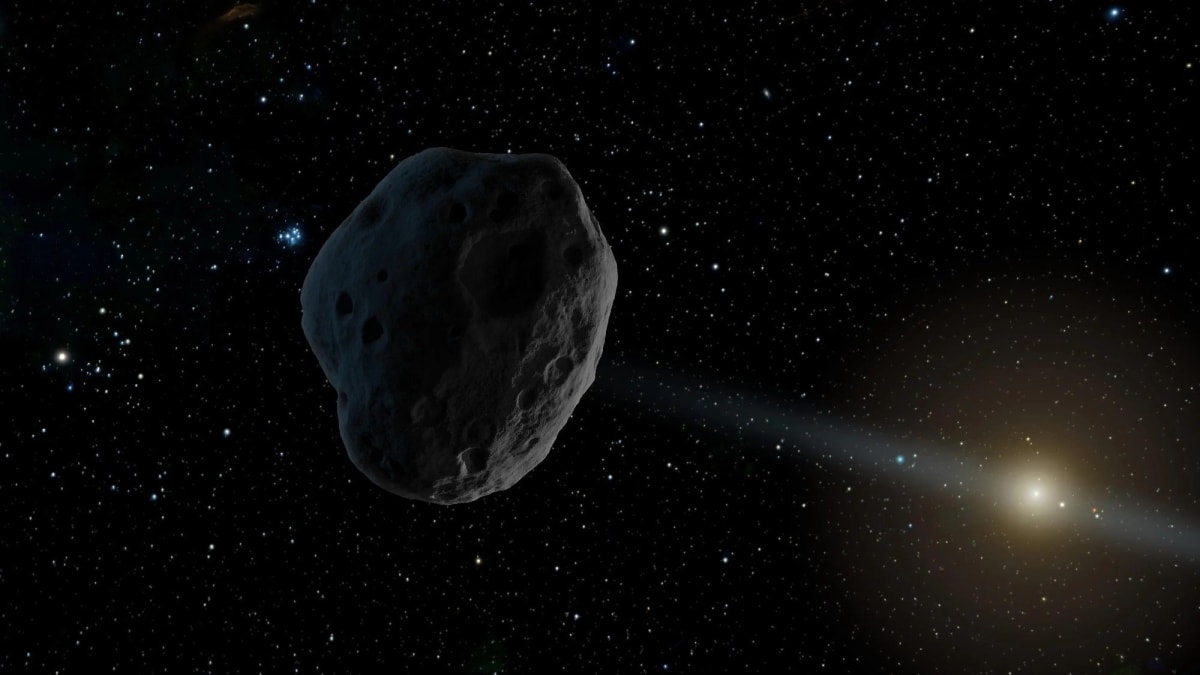
An object thought to be an asteroid since 1998 just revealed its true identity as a comet, and the discovery could help protect Earth from future space threats. Scientists figured it out by noticing the object wasn't where it should be.
A space rock hiding in plain sight for nearly three decades just got unmasked, and the discovery might help keep our planet safer.
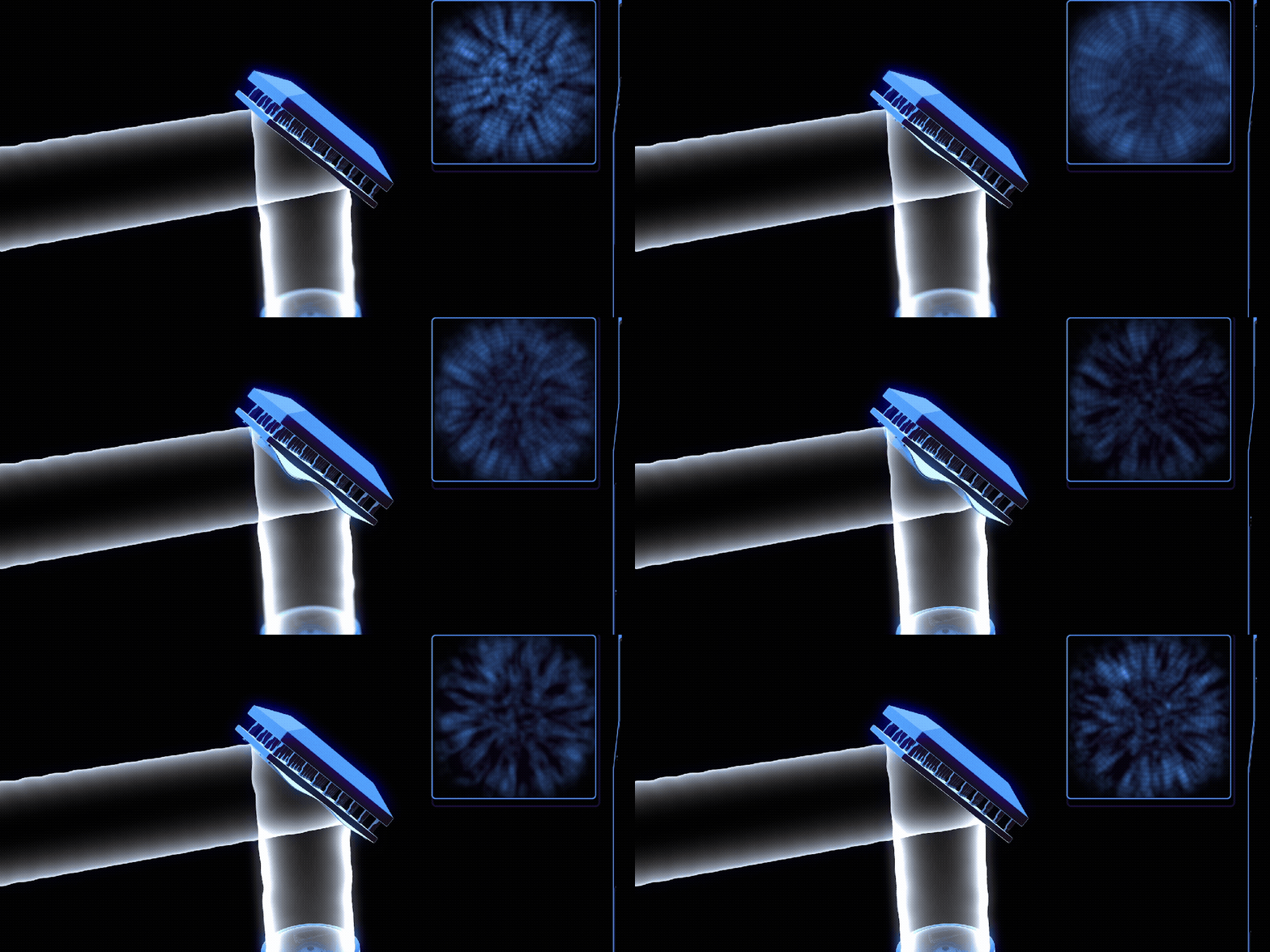
Since 1998, astronomers thought object 1998 SH2 was just another ordinary asteroid making its rounds through our solar system. But when it passed within 2 million miles of Earth in August 2025, NASA's radar system caught something strange: the object had wandered off course from where gravity alone would have taken it.
That mystery sent scientists digging deeper into nearly 30 years of data. What they found changed everything.
The object was being pushed by tiny jets of gas escaping from its surface as hidden ice warmed in the sunlight. That's classic comet behavior, not asteroid activity.
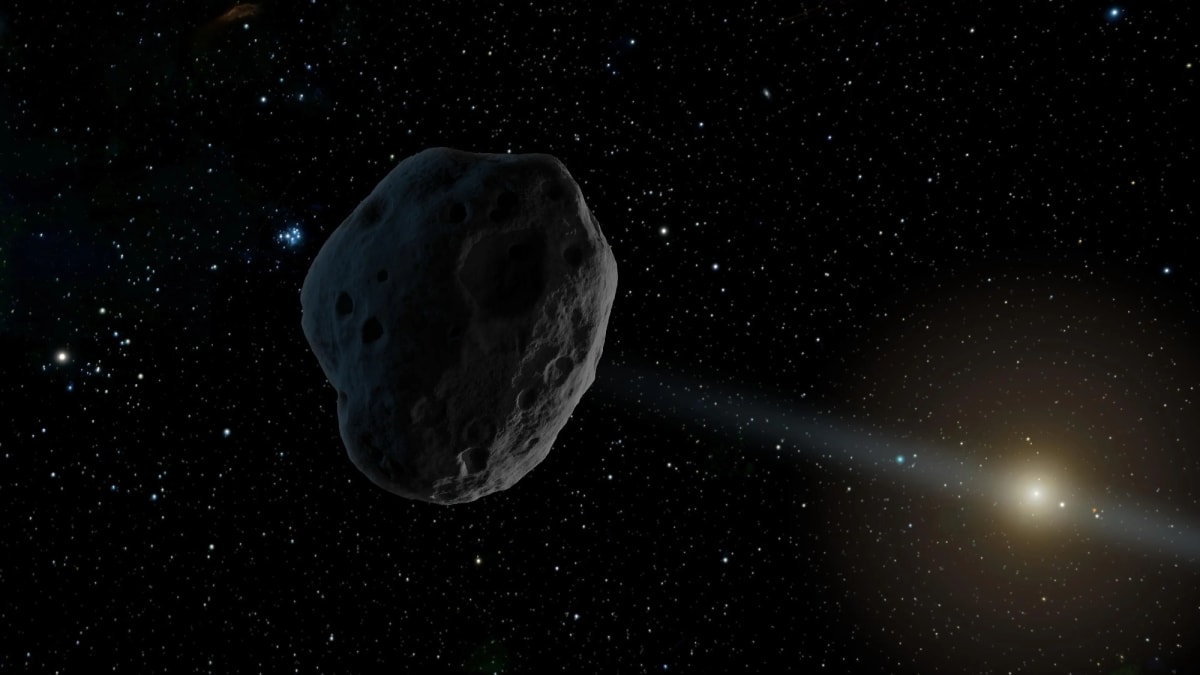
To confirm their hunch, researchers aimed powerful telescopes in Chile and Hawaii at the object. Sure enough, they spotted a faint tail streaming behind it, the telltale sign of a comet.
Davide Farnocchia, who led the study at NASA's Jet Propulsion Laboratory, explained that recognizing these subtle forces matters for planetary defense. Unlike solid asteroids that follow predictable paths, comets can change course as gas escapes their surfaces like tiny thrusters.
The finding earned 1998 SH2 a new official name: P/1998 SH2. More importantly, it showed scientists a new way to identify hidden comets that don't have obvious glowing tails.
Why This Inspires
This discovery proves we're getting better at understanding what's floating around near Earth. Every improvement in tracking space objects means better predictions about which ones might pose risks and which paths they'll actually follow.
The team believes 1998 SH2 probably isn't alone. As tracking technology gets more precise, scientists expect to find more "asteroids" that are secretly comets in disguise.
Each one we identify correctly helps build a more accurate picture of our cosmic neighborhood. That knowledge directly translates into better planetary defense strategies and more accurate predictions about future impacts.
The findings appeared in Nature Astronomy in July, marking another win for patient observation and careful science. Sometimes the most important discoveries come not from finding something new, but from taking a second, closer look at what's been there all along.
More Images

Based on reporting by Space.com
This story was written by BrightWire based on verified news reports.
Spread the positivity!
Share this good news with someone who needs it