NASA Discovers Hidden Planet Using Revolutionary Method
A giant planet hiding in plain sight for years has finally been spotted by NASA's James Webb Space Telescope using a groundbreaking technique that could reveal countless more hidden worlds. The discovery opens a new way to find planets that conventional imaging methods miss.
Scientists just found a massive planet that's been playing cosmic hide-and-seek for years, and the way they spotted it could change everything about how we discover new worlds.
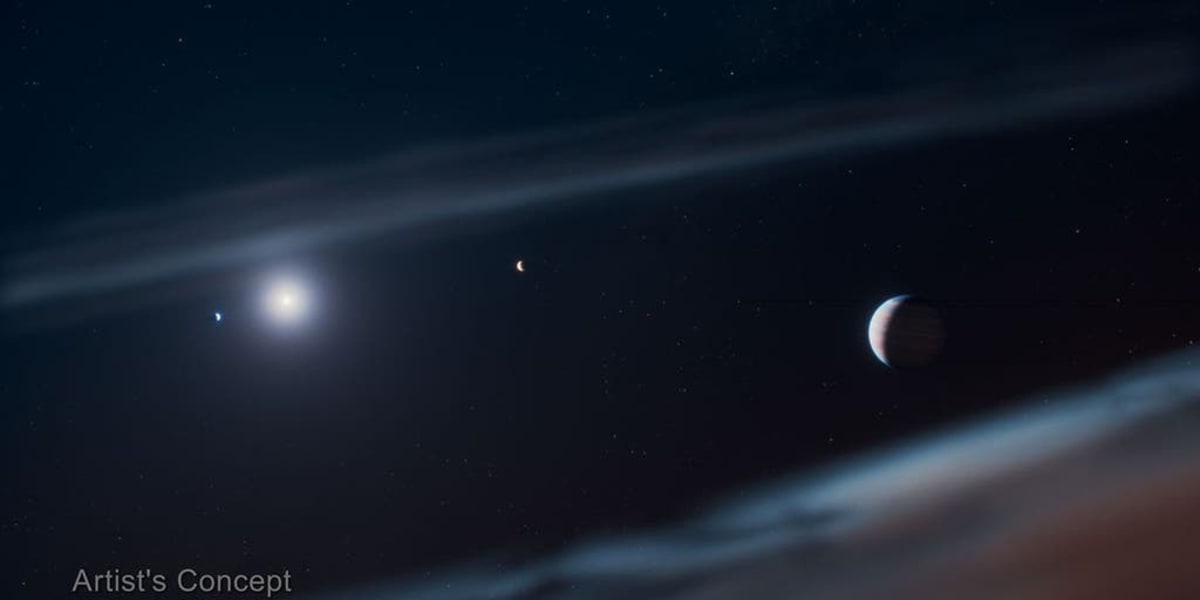
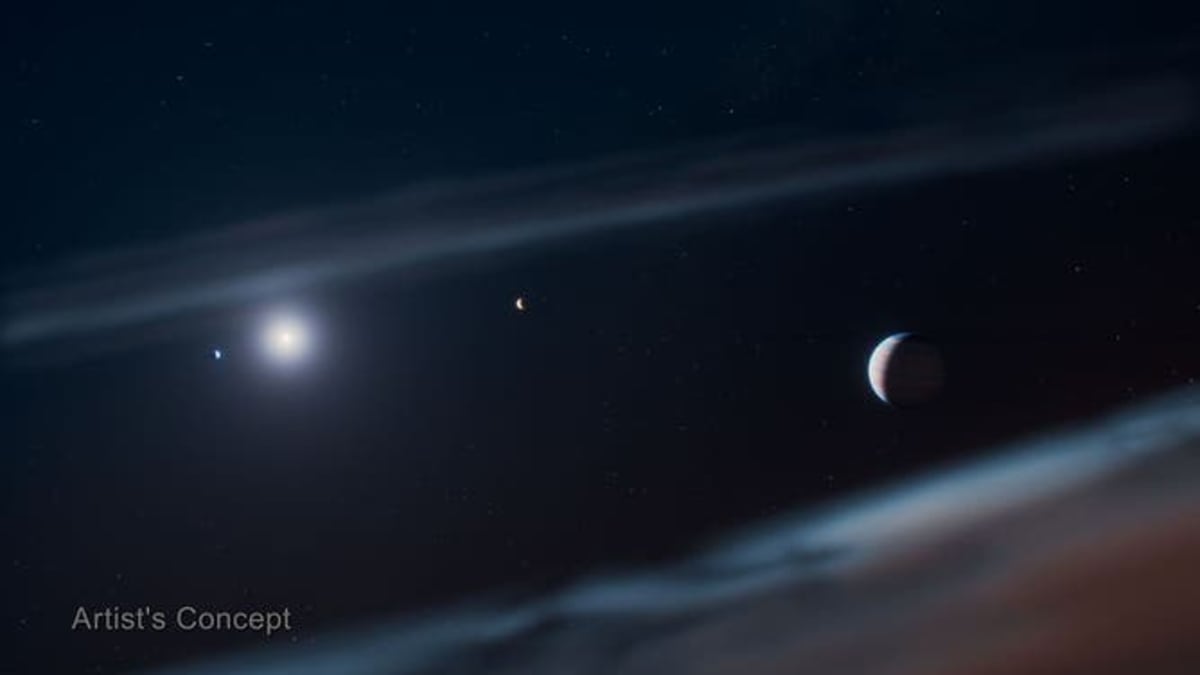
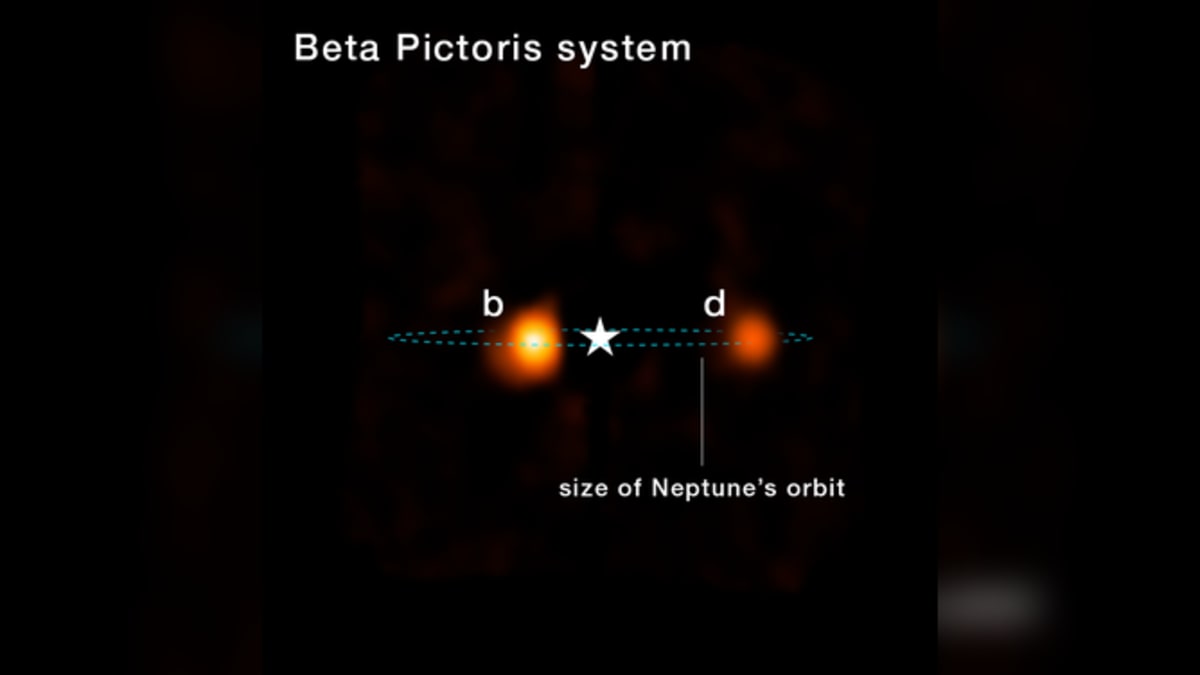
The James Webb Space Telescope uncovered Beta Pictoris d, a giant planet orbiting a young star just 63 light-years from Earth. While astronomers already knew two planets circled this star, the third one stayed invisible despite Beta Pictoris being one of the most studied planetary systems in our galaxy.
The discovery marks the first time astronomers have found a planet by reading its atmospheric chemistry rather than spotting a bright dot in space. Webb detected the chemical fingerprints of carbon monoxide, methane, and water vapor in the planet's atmosphere, revealing what conventional imaging completely missed.
Beta Pictoris d hid inside one of the brightest debris disks known to science. This dusty layer scattered starlight like fog, making it impossible for traditional telescopes to pick out the planet from the surrounding dust.
The star system itself is only 23 million years old, practically a newborn in cosmic terms. This youth gives scientists a rare window into watching planets form and evolve in real time.
Why This Inspires
This breakthrough does more than add one planet to our cosmic census. The moderate-resolution spectroscopy technique that found Beta Pictoris d could uncover entire families of hidden planets lurking in dusty systems across our galaxy.
Traditional planet hunting relied on seeing bright objects directly or watching stars wobble. Now astronomers can essentially ignore the cosmic fog and sniff out planetary atmospheres instead, turning what seemed like endless dead ends into promising hunting grounds.
Beta Pictoris becomes only the second known system with at least three directly imaged planets. Scientists expect this number to climb rapidly as they apply this new method to other star systems that previously seemed picked clean of discoveries.
The young age of the Beta Pictoris system makes these findings even more valuable. Watching how these planets interact with their debris disk teaches us about how our own solar system might have looked billions of years ago.
Every new technique for finding planets brings us closer to answering one of humanity's biggest questions: are we alone? This discovery proves that even in places we thought we knew inside and out, whole worlds can still be waiting for the right eyes to see them.
More Images
Based on reporting by Google: NASA discovery
This story was written by BrightWire based on verified news reports.
Spread the positivity!
Share this good news with someone who needs it