NASA Drains 66M Gallon Reservoir for Major Upgrade
NASA just completed a rare engineering feat, draining a massive reservoir to its lowest level in 60 years to upgrade the lifeline that keeps rocket testing safe. The upgrade means more reliable testing for missions that will take astronauts back to the Moon.
📺 Watch the full story above
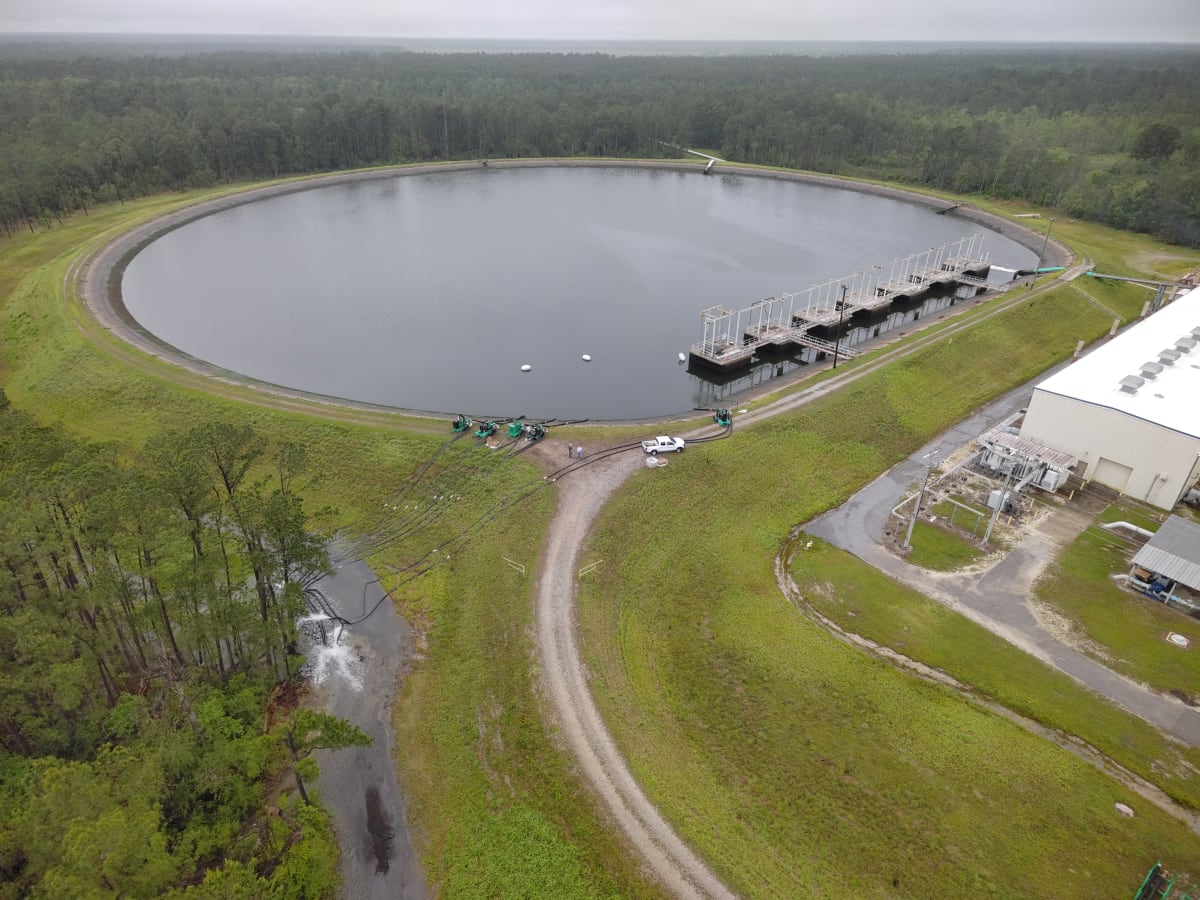
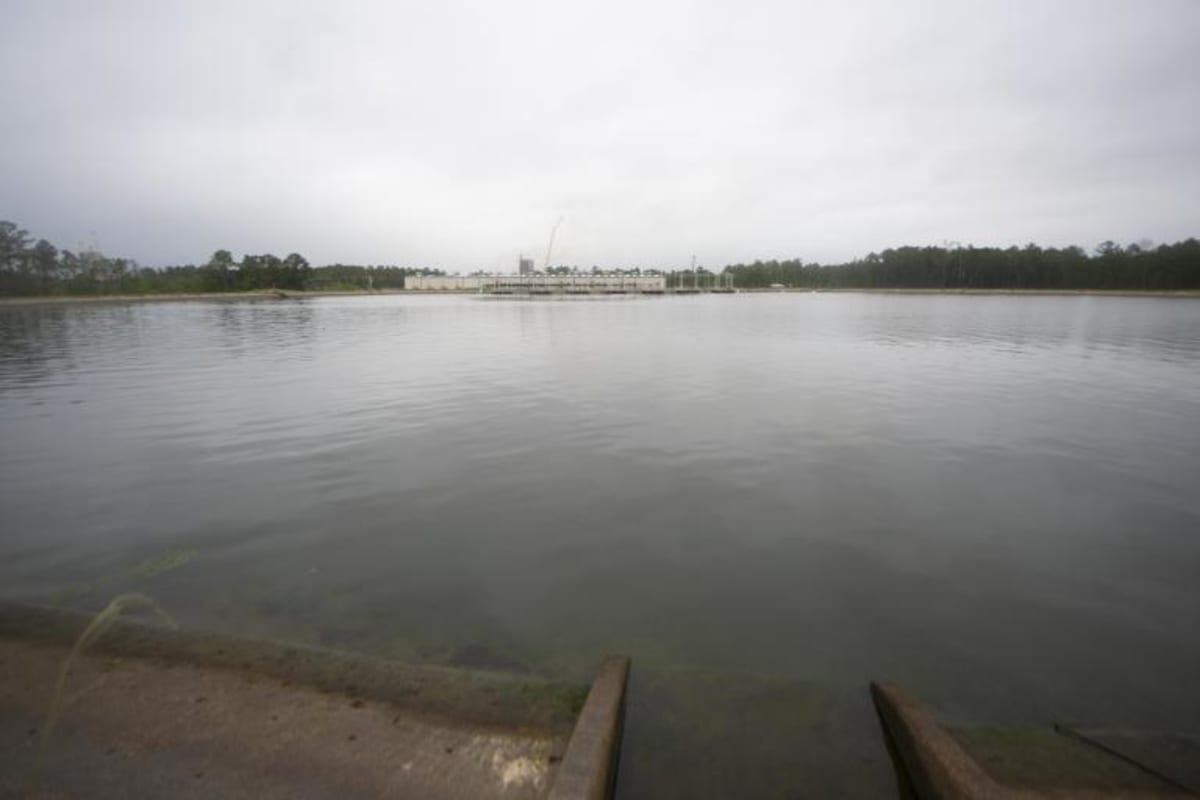
NASA pulled off something that hadn't been done since the 1960s: draining 40 million gallons from a reservoir the size of eight football fields in just three days.
The High Pressure Industrial Water Facility at NASA's Stennis Space Center in Mississippi needed critical upgrades. This massive reservoir does the heavy lifting during rocket engine tests, supplying five million gallons of water to cool exhaust that reaches 6,000 degrees Fahrenheit and suppress the thunderous sound that comes with firing up engines for the Artemis Moon missions.
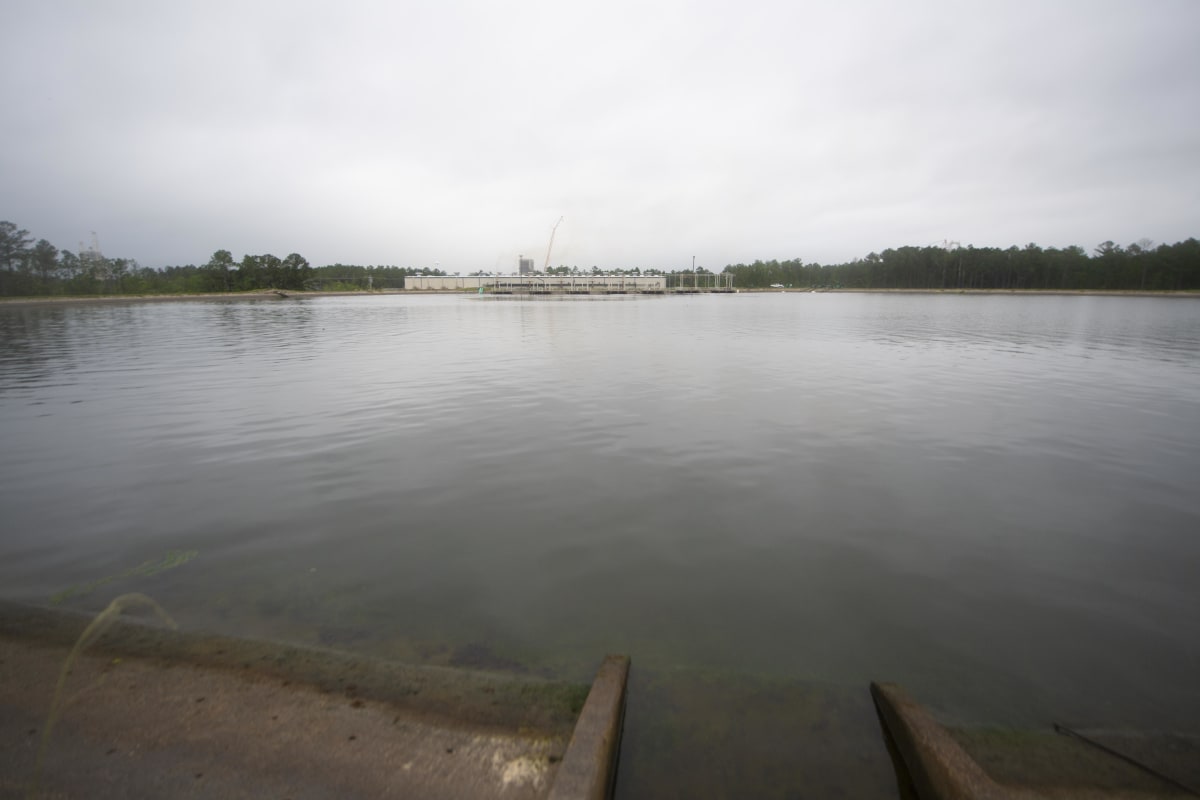
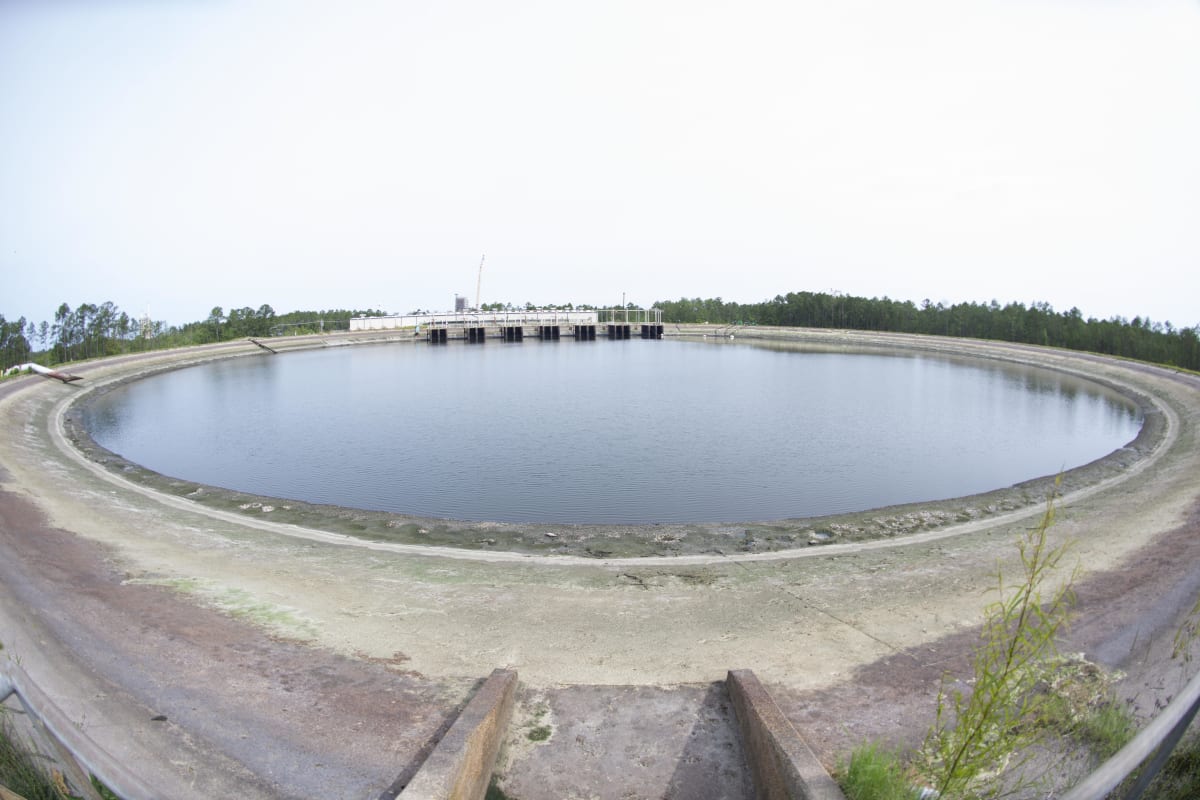
The old fire suppression pump had reached the end of its life after decades of service. Replacing it meant bringing the 66-million-gallon reservoir down to levels not seen since construction, revealing the massive basin floor for the first time in generations.
Engineers laid suction piping with floating buoys to carefully pump out the water without disturbing sediment at the bottom. Within 72 hours in May, the reservoir dropped to its lowest point, allowing crews to install a new 3,000-gallon-per-minute pump.
The upgrade goes beyond just swapping out old equipment. NASA improved the piping configuration from a narrow 14-inch-to-10-inch setup to a more efficient 14-inch-to-12-inch design. Think of the difference between sipping through a coffee stirrer versus a regular straw.
"With the upgraded configuration, less velocity inside the pipe with the same amount of flow equals a longer lasting pipe, pump, and hardware," said Justin Lucas, NASA project manager. The improvement means less strain on the system and more reliability for critical testing.
The Ripple Effect
This upgrade keeps NASA's rocket testing capability running strong for years to come. Every RS-25 engine that powers the Space Launch System gets thoroughly tested here, generating data that ensures astronaut safety on missions to the Moon and eventually Mars.
The best part? All that water gets recycled through an on-site canal system, flowing back to the reservoir for future tests. Nothing goes to waste in this carefully designed loop that's been supporting America's space ambitions for six decades.
The reservoir is filling back up now, ready to support the next generation of rocket testing with upgraded reliability that will serve missions for decades ahead.
More Images

Based on reporting by NASA
This story was written by BrightWire based on verified news reports.
Spread the positivity!
Share this good news with someone who needs it