NASA Engineer Clears Path for Safe Moon Landings in 2028
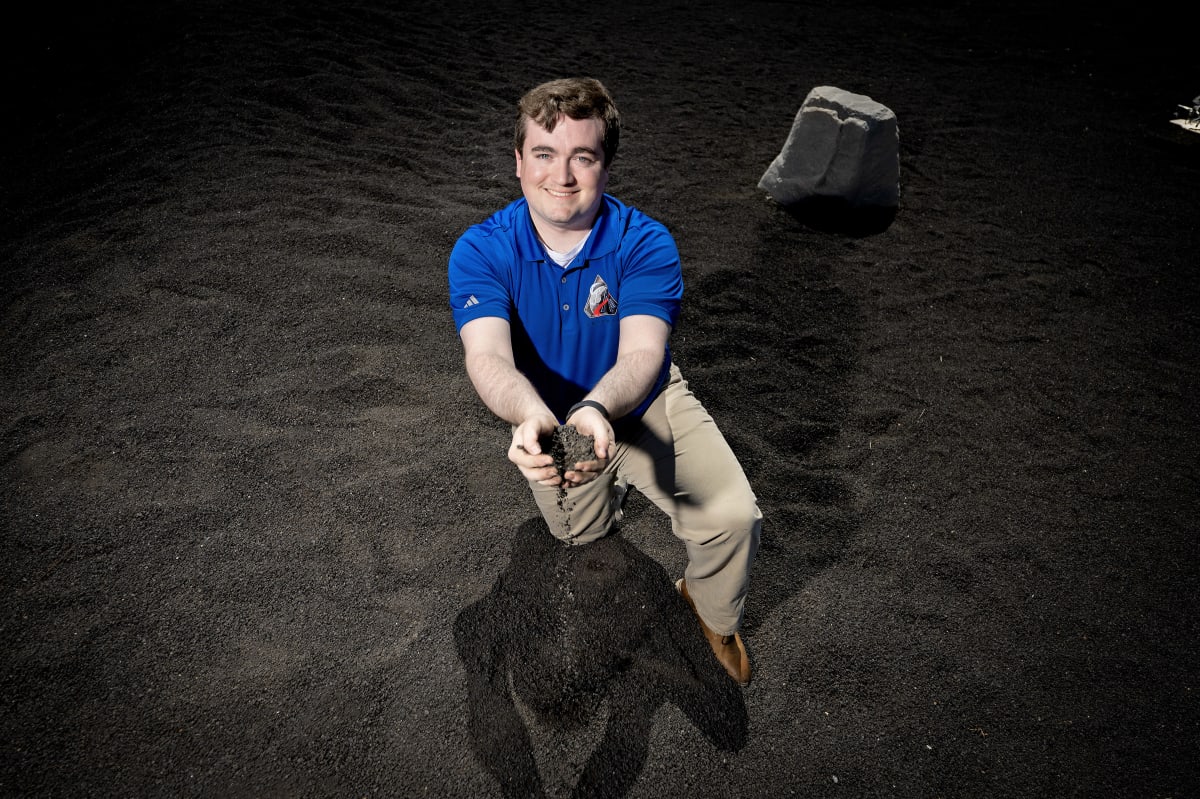
Daniel Stubbs is solving one of the biggest challenges facing NASA's return to the Moon: massive dust clouds kicked up by rocket engines that could blind instruments and damage equipment. His work modeling lunar dust plumes is helping ensure astronauts land safely when Artemis missions touch down in 2028.
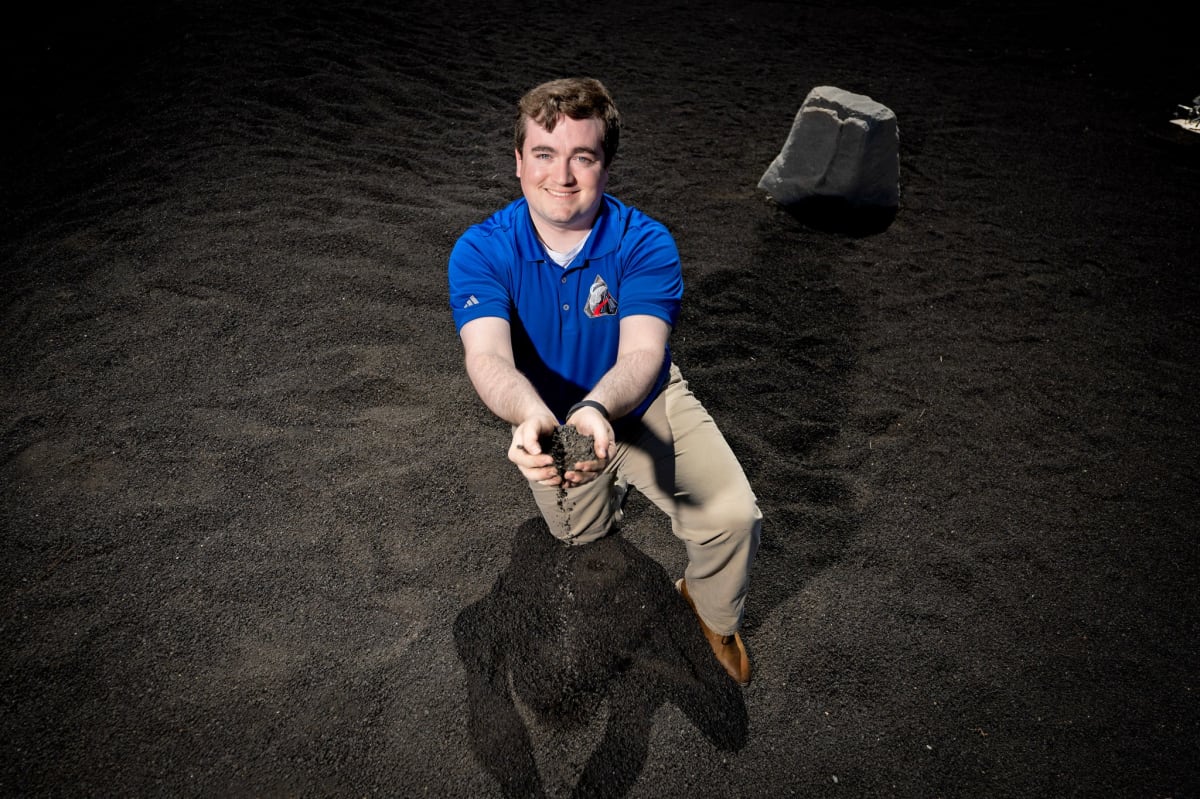
When rocket engines blast toward the Moon's surface, they create towering clouds of razor-sharp dust that could blind landing computers or damage critical equipment left on the lunar surface. Daniel Stubbs, an aerospace engineer at NASA's Marshall Space Flight Center, is making sure that doesn't happen.
Stubbs studies how rocket exhaust interacts with lunar regolith, the fine dust covering the Moon's surface. Over millions of years, meteoroids have pulverized Moon rocks into abrasive particles that pose serious risks to spacecraft, spacesuits, and instruments.
The challenge is bigger than during the Apollo missions of the 1960s and 70s. Today's lunar landers are heavier, larger, and pack more engines than the Apollo Lunar Modules.
Even more crucially, these new landers will use the same engines to take off that they used to land. That means the hardware must survive two encounters with brutal dust plumes, not just one.
"The dust and regolith plume can make it difficult for instruments on the landers to see the surface of the Moon," Stubbs explained. If sensors feed wrong data to guidance computers, it could derail an entire landing.
The Alabama native turned his graduate school research into his dream job. While earning his doctorate in aerospace engineering at Auburn University, Stubbs worked on plume-surface interaction modeling through a NASA grant. Now he's continuing that exact research to help astronauts return safely to the Moon.
Why This Inspires
Stubbs's work shows how patient, technical problem-solving paves the way for humanity's biggest leaps. He's ensuring that when engines fire and dust billows across the lunar landscape, the spacecraft will know exactly where it is and land safely.
NASA is backing this effort with major ground tests at Langley Research Center in Virginia, simulating the conditions landers will face. The research will reveal aerodynamic forces during descent and ascent, heating at the lander's base, and whether crater formation could destabilize the spacecraft.
When American astronauts step onto the Moon in 2028, they'll do so knowing someone spent years modeling every particle of dust their rockets would disturb. That's the kind of dedication that turns ambitious space exploration into safe reality.
By 2028, Daniel Stubbs will watch astronauts walk on the Moon knowing his models helped clear the path through the dust.
More Images

Based on reporting by NASA
This story was written by BrightWire based on verified news reports.
Spread the positivity!
Share this good news with someone who needs it