NASA Engineer Regina Senegal Leads Safety for Moon Missions
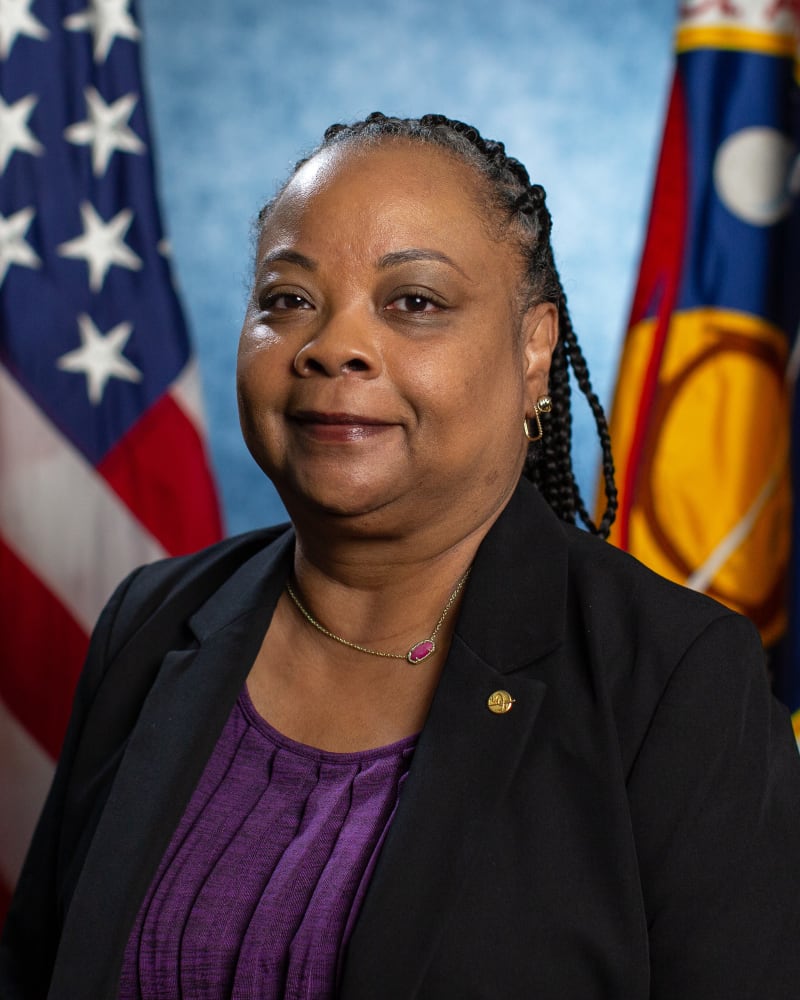
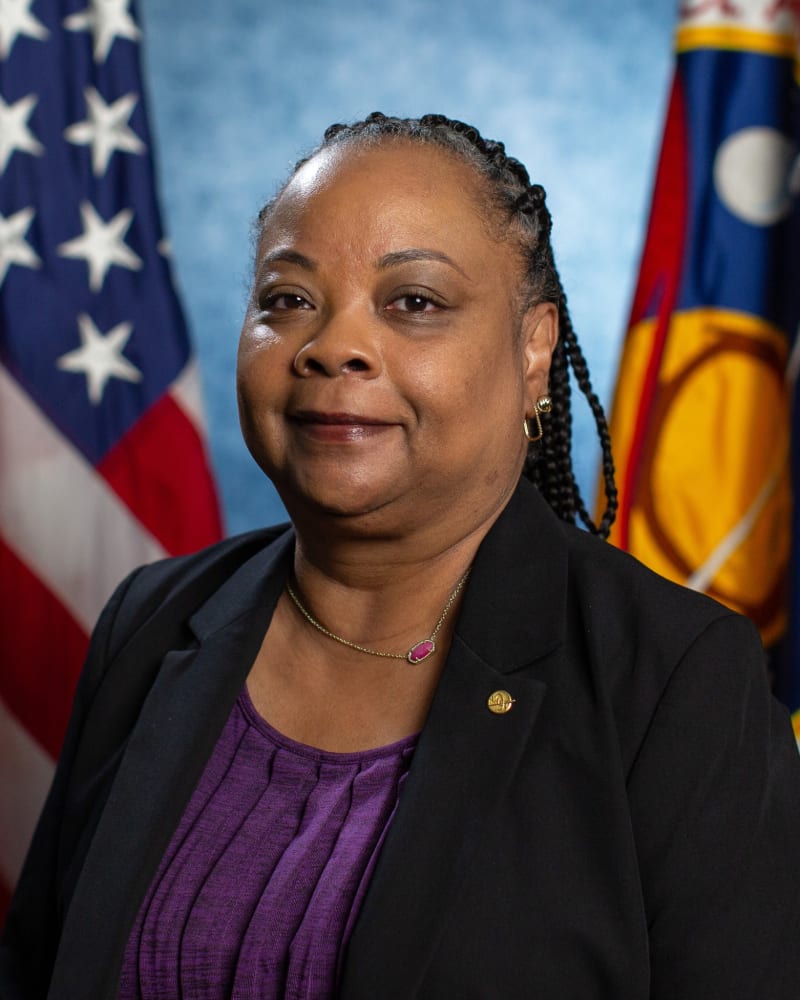
After 28 years at NASA, Regina Senegal now leads the team keeping astronauts safe on Artemis moon missions and spacewalks. Her journey from a persistent job applicant to division chief shows how determination and caring leadership shape the future of space exploration.
Regina Senegal spent seven years applying to NASA jobs before finally getting her shot, and now she's responsible for the safety of America's return to the Moon.
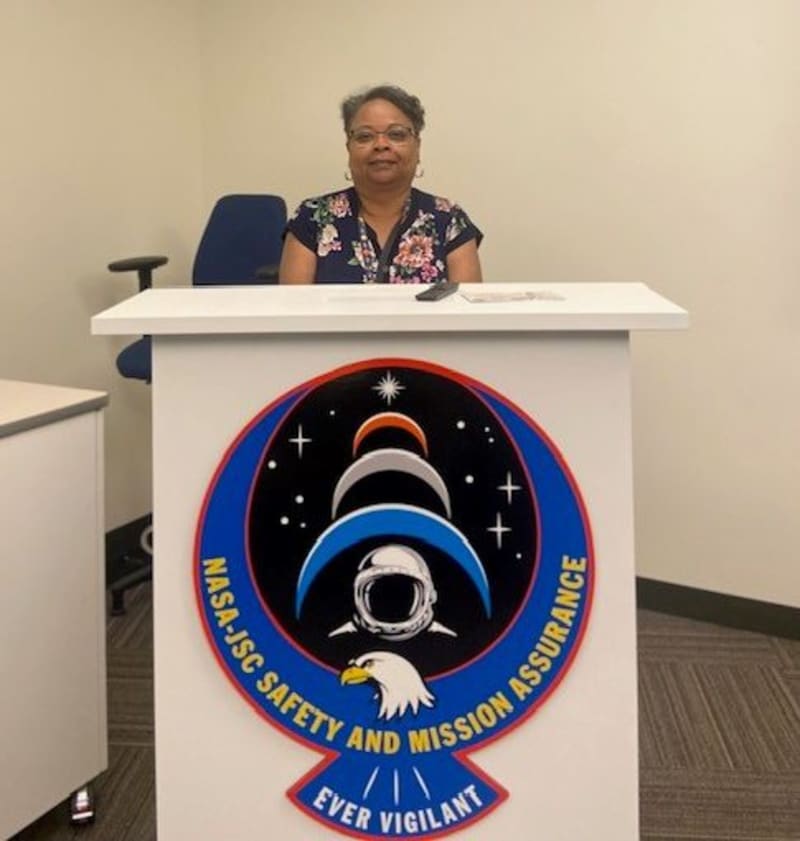
As acting chief of Johnson Space Center's Quality and Flight Equipment Division, Senegal oversees safety teams for 13 major NASA programs. Her teams ensure everything from Artemis moon rockets to spacewalk equipment meets strict safety standards before astronauts depend on them with their lives.
The role touches nearly every human spaceflight program NASA runs. Some teams write safety requirements for entire programs like the Gateway lunar station and Human Landing System. Others inspect individual pieces of hardware to catch problems before launch.
Senegal's path to NASA started at Prairie View A&M University, where she earned her electrical engineering degree. When no NASA positions opened up after graduation, she worked for General Motors while continuously applying to anything connected to the space agency.
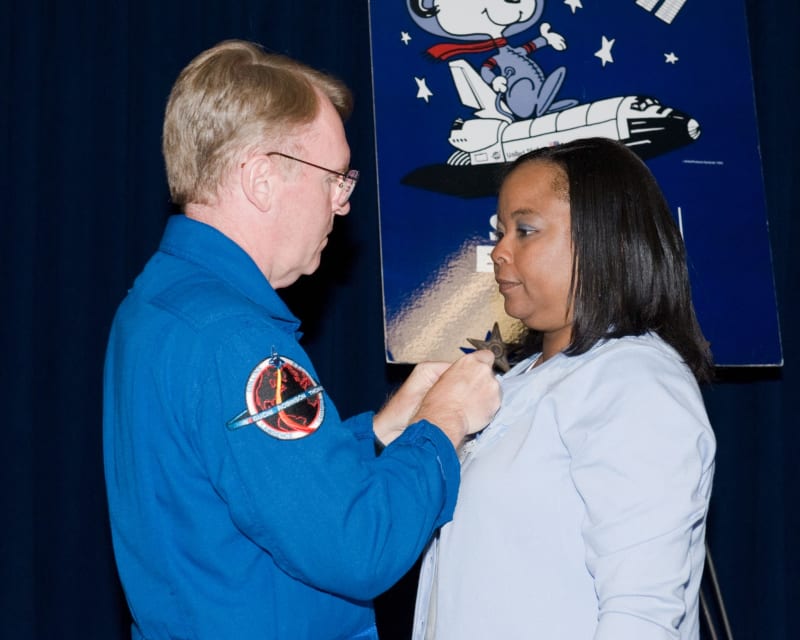
Her persistence paid off when contractor SAIC hired her 28 years ago. She became a NASA civil servant in 2004 and has since worked on experiments, crew health equipment, and the transition of medical hardware from the Space Shuttle to the International Space Station.
That shuttle-to-station transition stands out as her most memorable project. The hardware worked perfectly on short shuttle flights but needed complete redesign for longer station missions with bigger crews. Engineers, doctors, and astronauts collaborated intensively to solve the challenge.
Now as division chief, Senegal faces her toughest role yet. She owns every decision about mission safety, budget priorities, and team culture. The job means making hard calls when every request feels critical to keeping astronauts safe.
Why This Inspires
Senegal's leadership philosophy centers on knowing her team's strengths and showing genuine care. Small gestures matter, she says, because when people know you care about them, coming to work becomes easier.
She also prioritizes teaching young engineers the history behind safety rules. Understanding past mistakes helps them know when accepting risk makes sense and when it doesn't. Her advice to the next generation is simple: never be afraid to admit what you don't know and always speak up.
As NASA prepares to land astronauts on the Moon again, Senegal's teams are building the safety culture that will get them there and back.
More Images

Based on reporting by NASA
This story was written by BrightWire based on verified news reports.
Spread the positivity!
Share this good news with someone who needs it