NASA Engineer's 37-Year Journey Powers Moon Mission Life Support
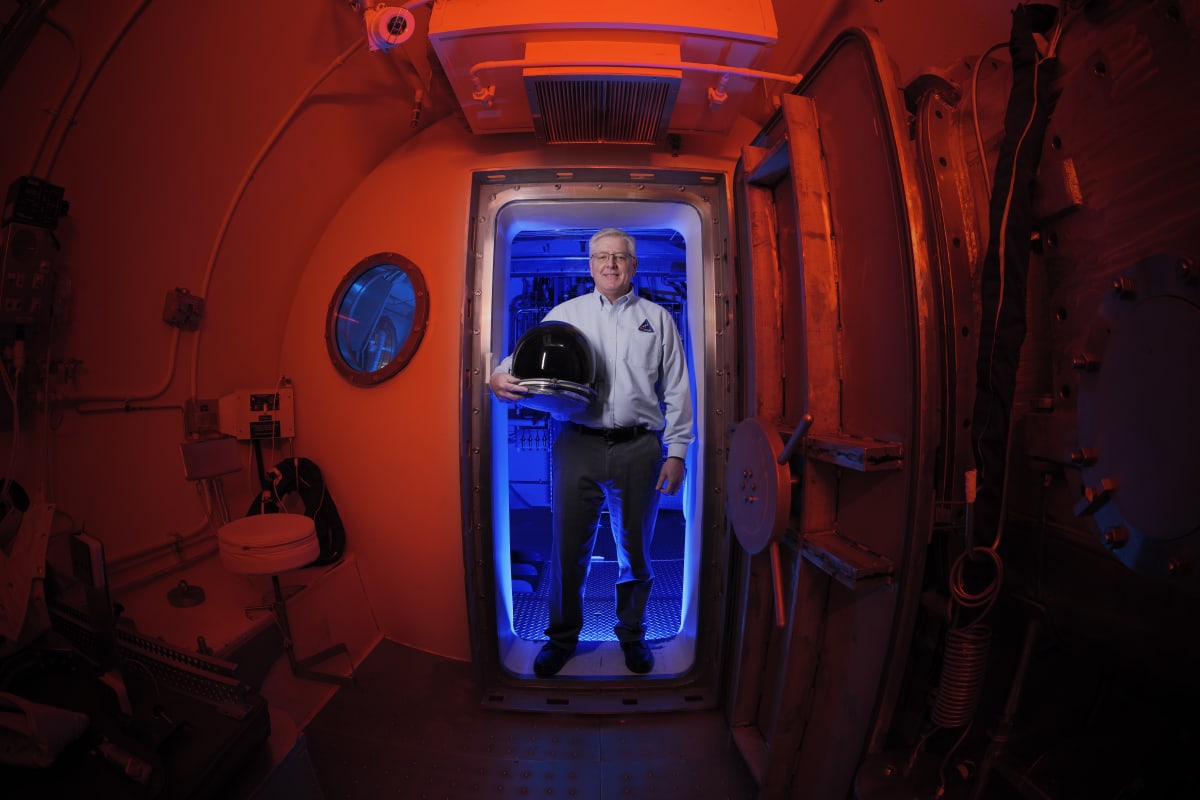
Paul Boehm spent nearly four decades preparing systems that will keep astronauts alive on humanity's return trip to the Moon. His life support technology will fly with crew for the first time on Artemis II.
After 37 years at NASA, Paul Boehm is finally seeing his life's work leave Earth with astronauts headed to the Moon.
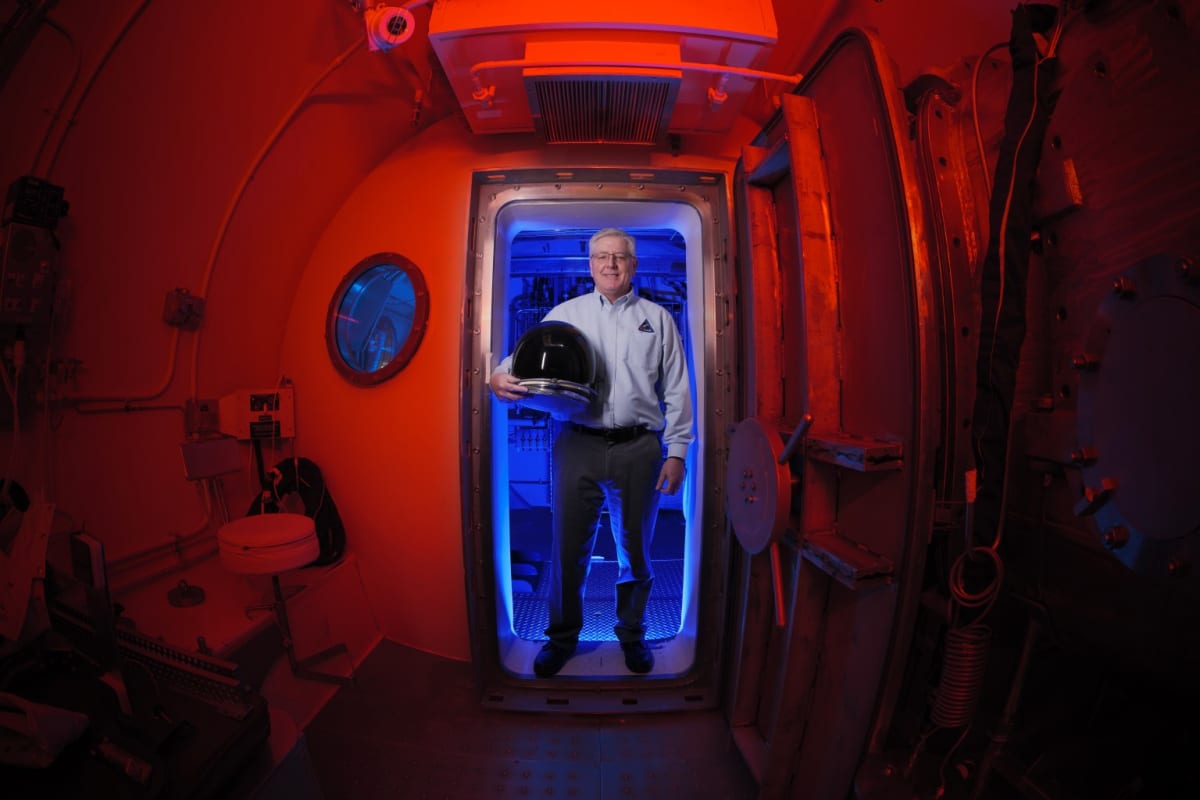
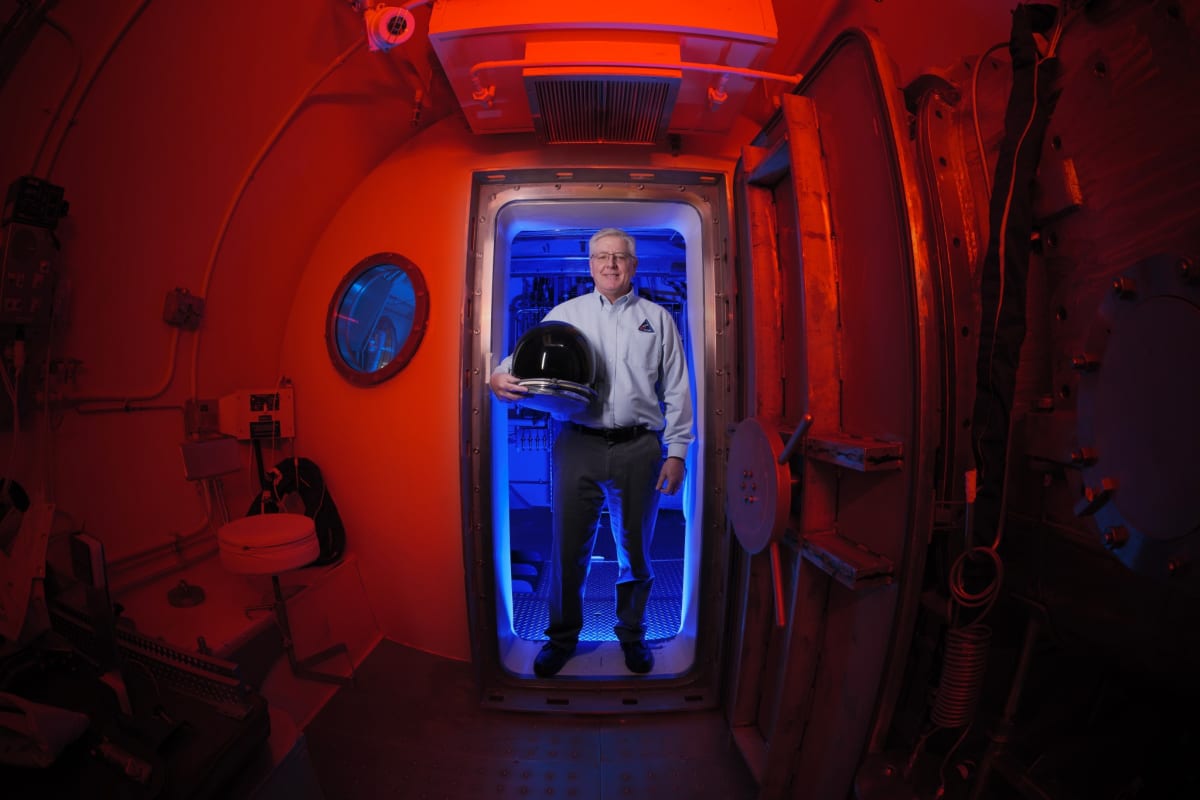
Boehm leads the team at NASA's Johnson Space Center in Houston that designed every system keeping Artemis II astronauts alive during their lunar journey. His crew manages everything from the air they breathe to the spacesuits protecting them during launch and reentry.
The environmental control and life support system he developed handles what sounds simple but proves incredibly complex in deep space. It regulates breathing, eating, bathroom functions, and temperature control for days on end without resupply options.
"Think about things that you do every day for 24 hours. Those are the things the ECLSS has to support," Boehm explains. The system accounts for different body types, metabolic rates, and countless variables involving fluids, electronics, and mechanical components working together flawlessly.
Deep space missions demand different solutions than International Space Station trips, which sit just hours from Earth. Orion's journey takes 10 days with no quick return option, so Boehm's team designed regenerative systems that recycle resources instead of burning through heavy consumables.
The challenge attracted Boehm precisely because it puts him closest to the astronauts. Since joining NASA in 1989, he's worked exclusively on systems supporting human crews, from shuttle spacewalks to station operations to Orion since 2011.
Why This Inspires
Boehm's career represents something larger than engineering excellence. He's devoted decades to work he won't personally experience, building systems for astronauts he may never meet, all to push humanity forward.
"Moving things forward for the next generation is something that we all take to heart," Boehm says. His team tested every component in Johnson Space Center's Life Support Integration Facility, validating performance for scenarios they hope never happen but must prepare for anyway.
When Artemis II launches, four astronauts will trust their lives to systems Boehm spent a career perfecting. They'll circle the Moon breathing recycled air, maintaining comfortable temperatures, and returning safely home thanks to technology built by people who believed the future mattered more than seeing their names in headlines.
That quiet dedication to work bigger than ourselves makes history possible.
More Images
Based on reporting by NASA
This story was written by BrightWire based on verified news reports.
Spread the positivity!
Share this good news with someone who needs it