NASA Finds Hidden Topaz in California Desert From 65,000 Feet
A NASA sensor flying over the Mojave Desert spotted a hidden topaz deposit that could lead to a major copper discovery. The find shows how space technology is helping locate critical minerals hiding in plain sight across America.
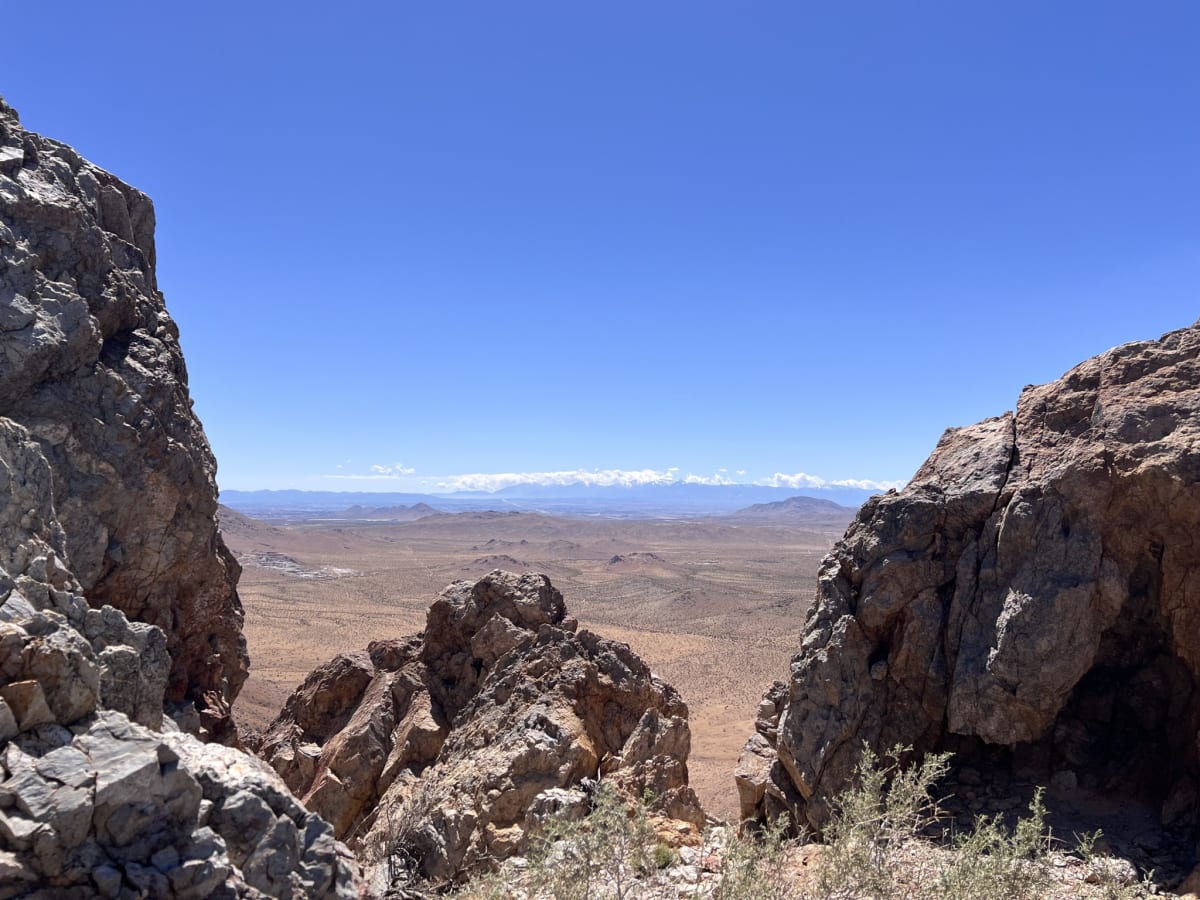
Scientists just discovered a topaz deposit in California's high desert without ever setting foot on the ground. The real treasure, though, could be what's buried underneath.
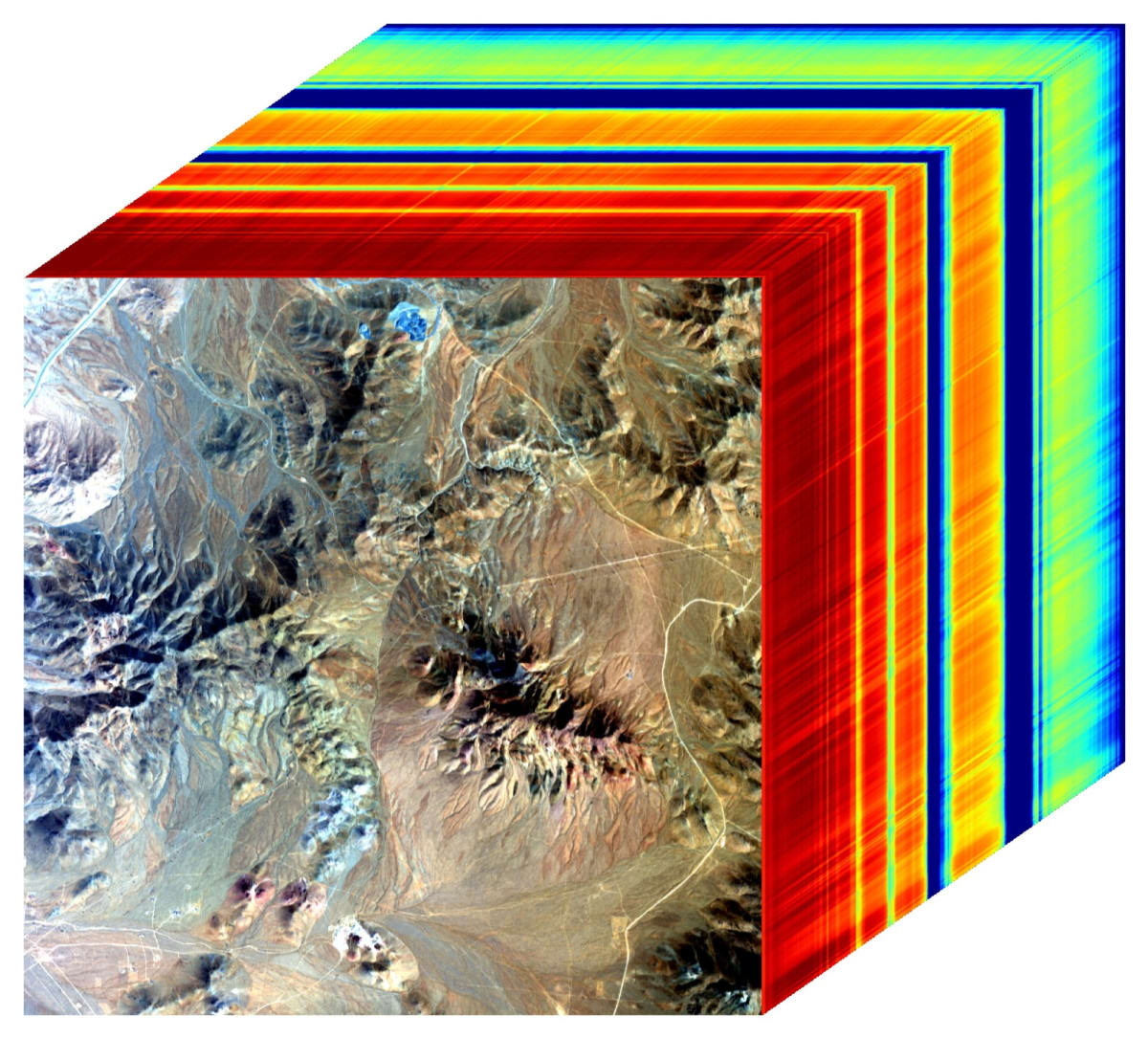
A NASA sensor called AVIRIS detected the mineral cache near Barstow while flying aboard a high-altitude aircraft this spring. Topaz forms under the same volcanic conditions as porphyry copper deposits, which supply most of the world's copper along with critical minerals used in solar panels and electronics.
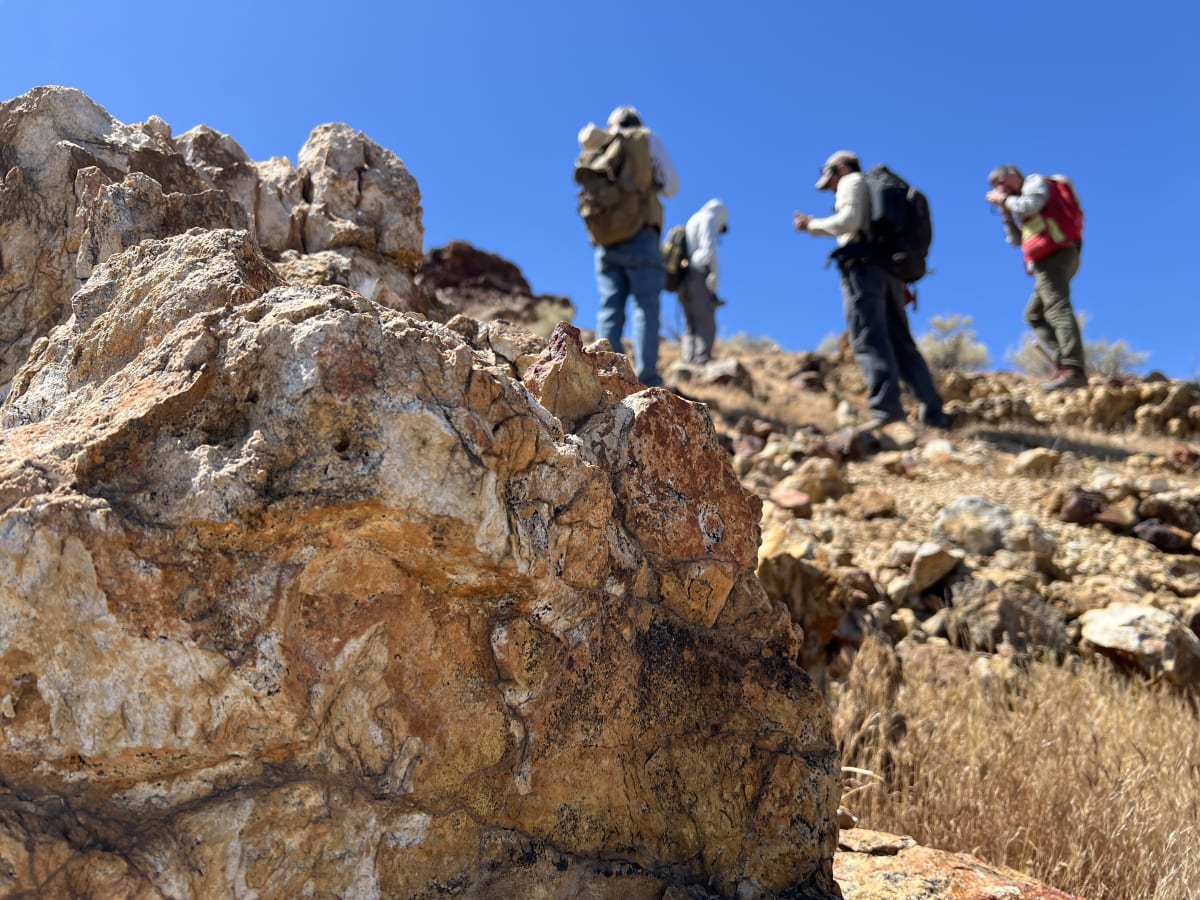
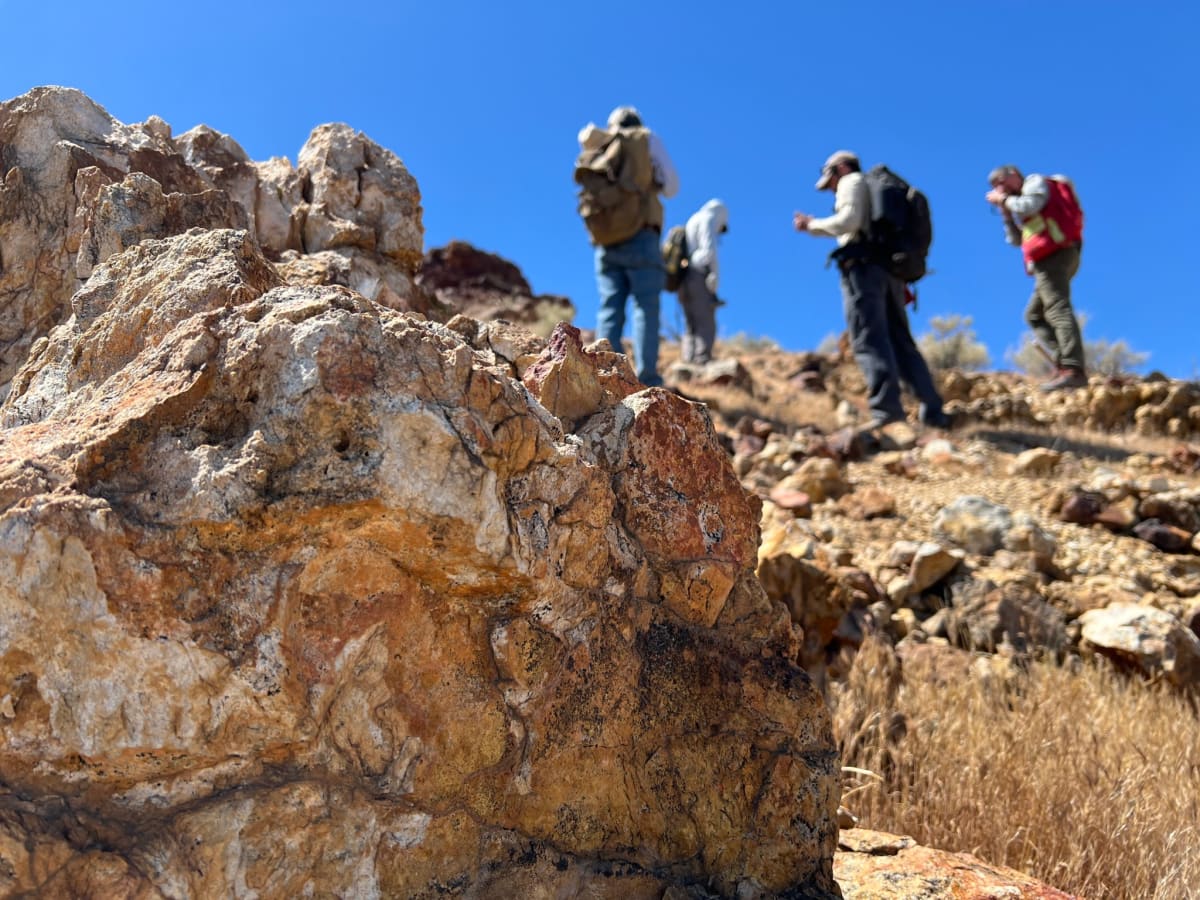
Robert Green from NASA's Jet Propulsion Laboratory led a team to the site in April to confirm the discovery. Armed with rock picks and hand lenses, the geologists split open weathered rocks to find sparkling cores that matched the sensor's readings.
"What we're doing out here is geologic CSI," Green said. "We're looking for clues to reconstruct what happened here."
The discovery happened during the Geologic Earth Mapping Experiment, a partnership between NASA and the U.S. Geological Survey to locate critical minerals across the American West. Since 2023, the campaign has mapped more than 386,000 square miles of terrain, including most of California.
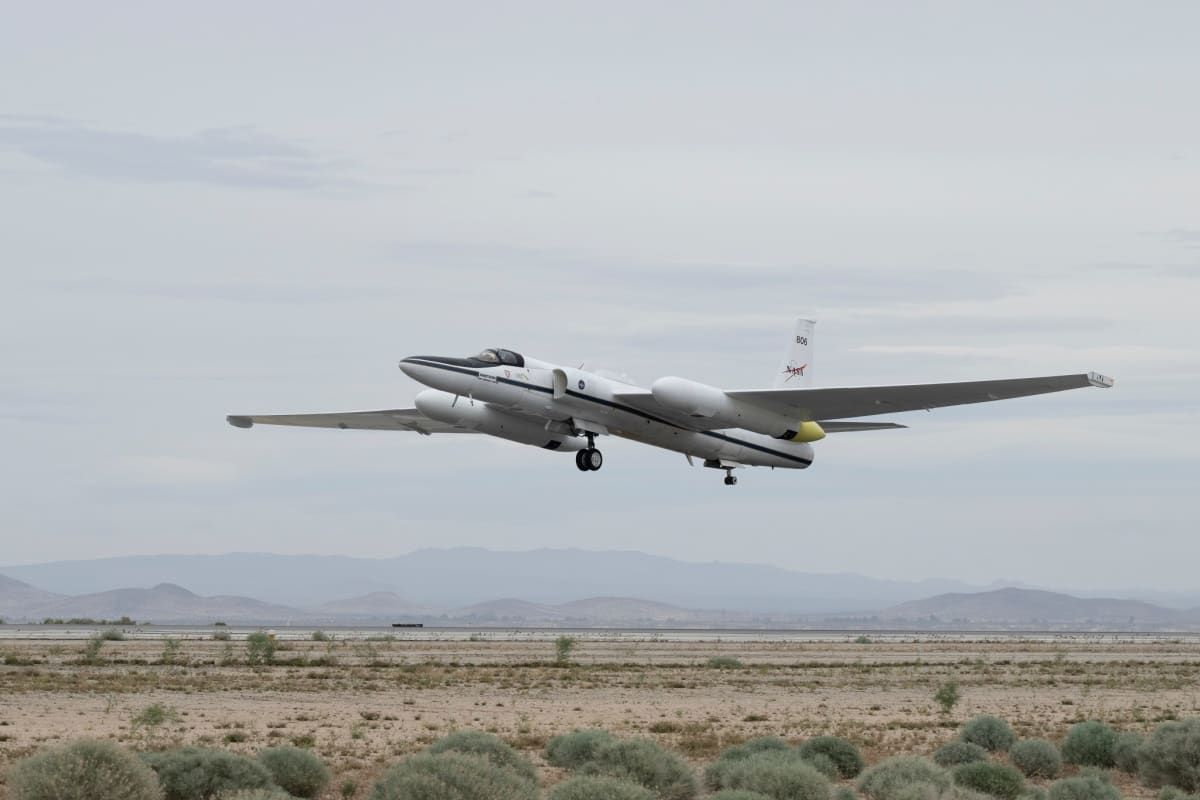
The mission relies on NASA's ER-2 aircraft, which soars at 65,000 feet to capture detailed mineral data in single passes. Between March and June, the plane completed 26 flights totaling more than 125 hours, collecting billions of measurements across five western states.
The AVIRIS sensor analyzes reflected sunlight to identify minerals by their unique spectral fingerprints. NASA pioneered this technology in the early 1980s, and space-ready versions have since explored the Moon and Mars.
The Ripple Effect
Finding porphyry copper deposits usually requires years of difficult fieldwork in remote terrain. AVIRIS can spot promising sites from the sky, helping geologists focus their efforts where discovery is most likely.
The Mojave finding is especially remarkable because prospectors have combed Southern California for generations. "There's a lot more to discover," said USGS geologist Erik Tharalson.
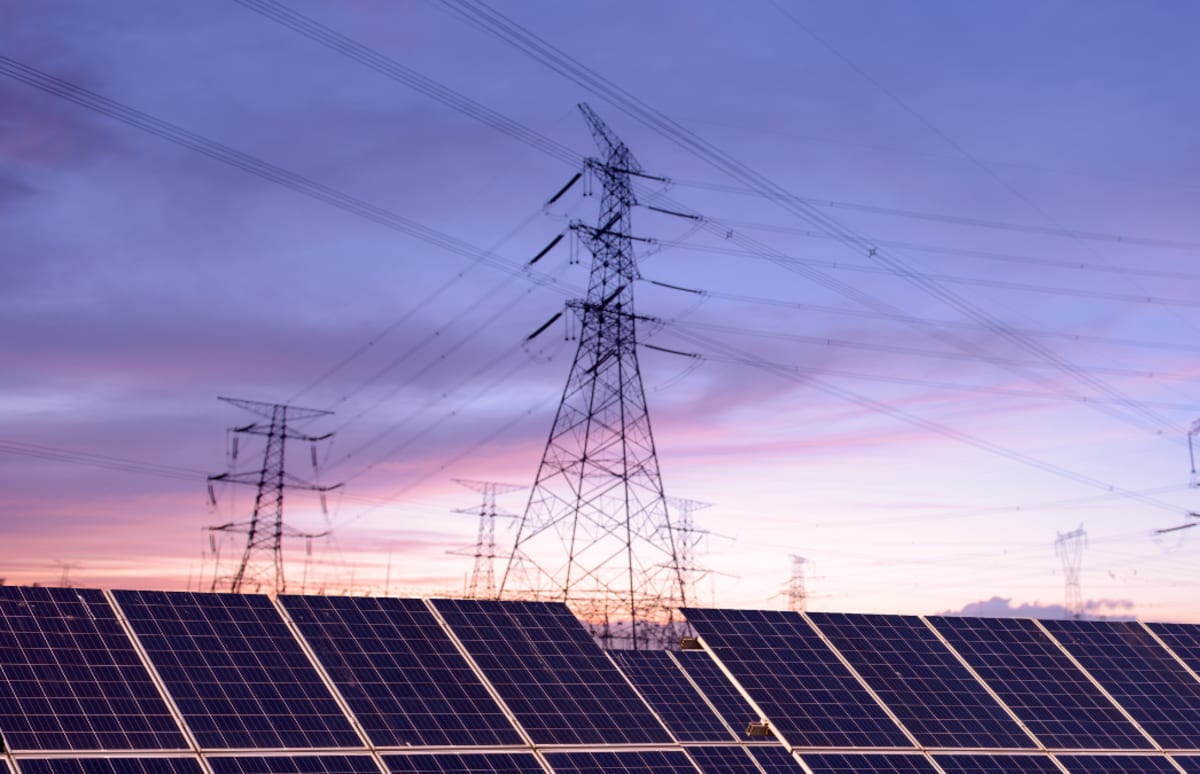
Copper is the third most used metal on Earth after steel and aluminum. As demand grows for solar panels, electric vehicles, and other clean energy technology, locating new domestic sources becomes increasingly important.
The 2025 mapping season produced the largest airborne surface mineralogy dataset ever gathered in a single NASA-USGS campaign. In total, the ER-2 flew 36 science missions collecting more than 7 billion measurements over 200 flight hours.
Confirming whether the Barstow site contains a copper deposit will require intensive ground investigation. But the discovery proves that even in heavily explored areas, new resources may be waiting just beneath our feet.
Technology designed to explore other worlds is now revealing hidden treasures on our own.
More Images
Based on reporting by NASA
This story was written by BrightWire based on verified news reports.
Spread the positivity!
Share this good news with someone who needs it