NASA Fixes Artemis II Rocket for April Moon Mission
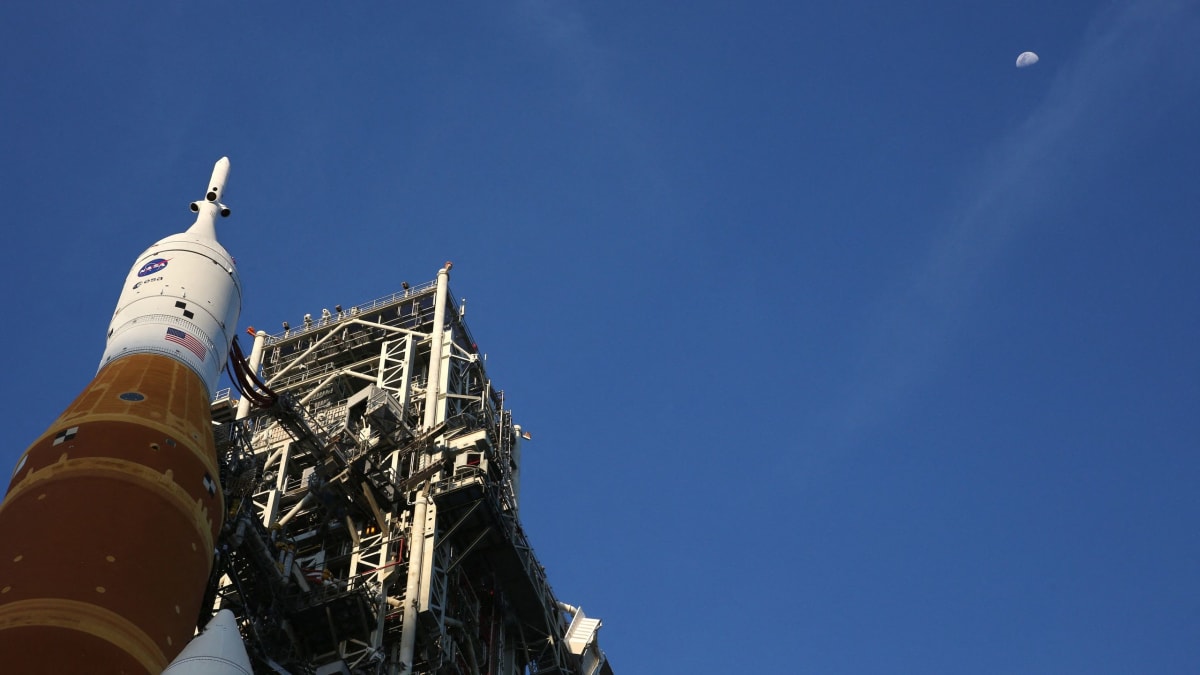
NASA engineers just solved the helium leak that grounded humanity's first crewed moon mission in over 50 years. The Artemis II rocket is now on track to launch four astronauts around the moon this April.
After weeks of uncertainty, NASA has cleared the way for humanity's return to the moon. Engineers discovered and fixed a dislodged seal that was blocking helium flow in the Space Launch System rocket, putting the historic Artemis II mission back on schedule for an April launch.
The mission will send four astronauts farther into space than any human has traveled before. They'll loop around the moon on a 10-day journey that marks humanity's first crewed lunar mission since 1972.
This flight makes history in another way too. For the first time ever, a woman and a Black astronaut will travel to the moon, expanding who gets to explore beyond Earth's orbit.
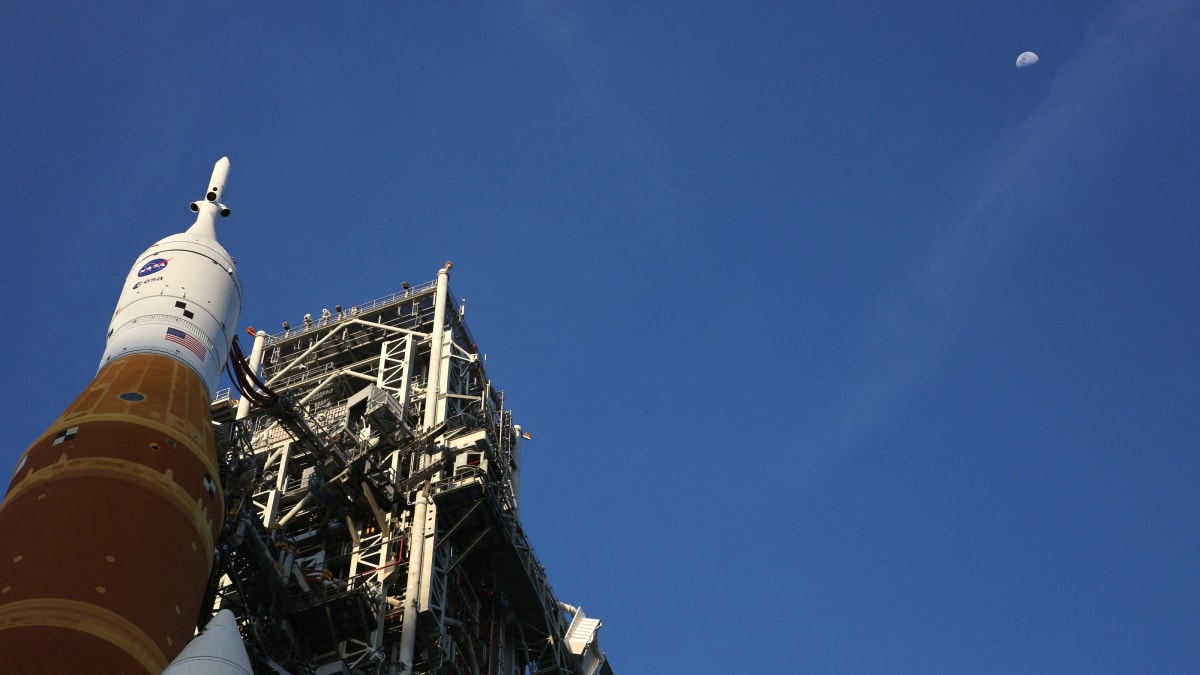
The helium problem surfaced in late February after the rocket passed a major fueling test. NASA loaded more than 700,000 gallons of supercold liquid fuel into the massive rocket and completed a simulated launch without issues. But the very next night, the dislodged seal prevented helium from reaching the upper stage, forcing teams to roll the rocket back to the Vehicle Assembly Building for repairs.
Helium plays a crucial role in spaceflight. NASA uses it to control engine temperatures and pressurize the fuel tanks that will power the astronauts toward the moon. Without proper helium flow, the mission couldn't safely launch.
The space agency now has three launch windows in April to get the mission off the ground: April 1, April 3 through 6, and April 30. Engineers are working around the clock to swap out batteries in the rocket's safety systems and complete final checks before rolling it back to the launchpad at Kennedy Space Center in Florida.
The Ripple Effect
While Artemis II won't actually land on the moon, it's laying the groundwork for something bigger. NASA plans to use this flight to test all the systems that will support two lunar landing missions scheduled for 2028. Every data point collected during this journey brings us closer to establishing a lasting human presence beyond Earth.
The program has faced its share of setbacks, from hydrogen leaks to multiple delays. But each challenge solved makes the next mission safer and more reliable.
Spring 2026 could mark the moment when moon missions shift from history books back into our present, opening a new chapter of human exploration that includes more voices and perspectives than ever before.
More Images


Based on reporting by Live Science
This story was written by BrightWire based on verified news reports.
Spread the positivity!
Share this good news with someone who needs it


