NASA Grows Food in Space for Moon and Mars Missions
Scientists are learning to grow fresh vegetables and protein-rich algae aboard the International Space Station to feed astronauts on future trips to the Moon and Mars. Four new experiments just arrived to help solve one of space exploration's biggest challenges: keeping crews fed millions of miles from home.
The future of space exploration might depend on a salad. NASA and its international partners just launched four nutrition experiments to the International Space Station that could determine how humans survive on distant worlds.
Before astronauts can spend months or years on the Moon or Mars, they need to figure out how to grow their own food. The latest research mission includes studies on everything from mustard greens to spirulina algae, each tackling a different piece of the cosmic farming puzzle.
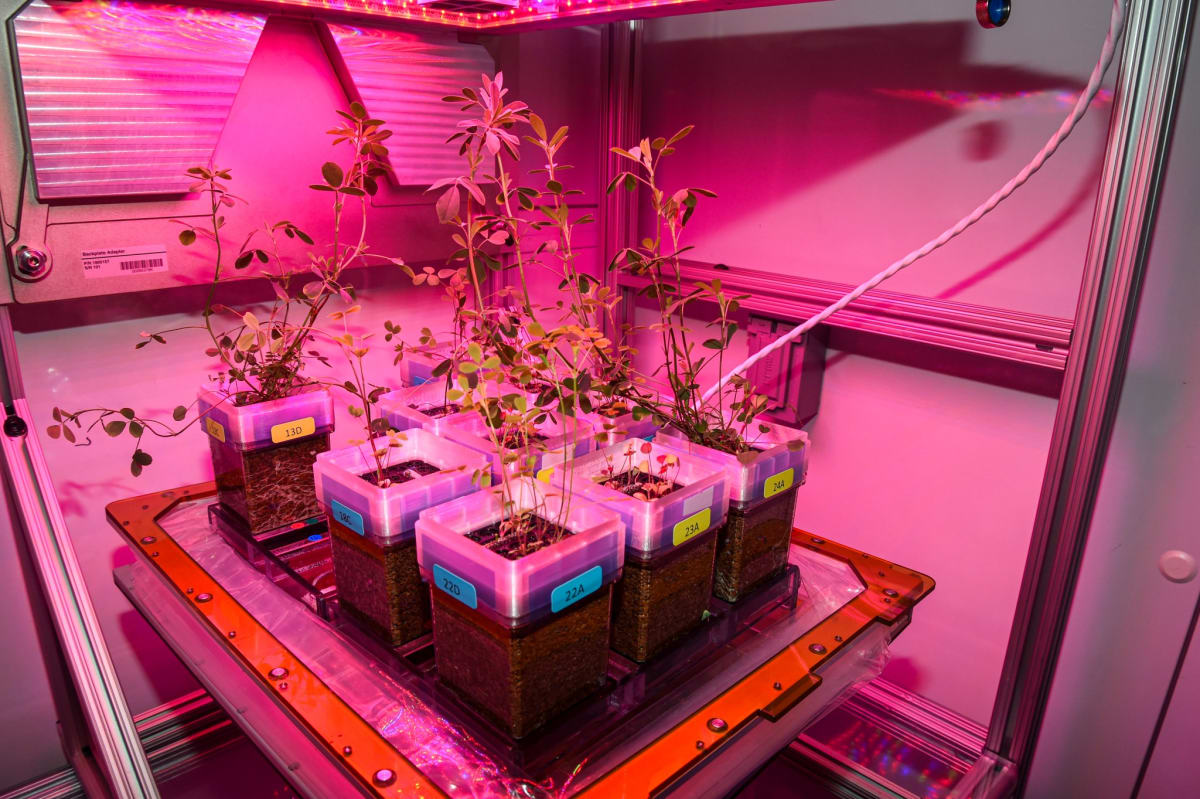
The Veg-06 experiment is studying alfalfa plants to understand how helpful bacteria interact with roots in microgravity. These bacteria naturally convert nitrogen from air into plant food, a process that could be essential for growing crops without constant resupply missions from Earth. Scientists are also testing whether plants grown in space need less lignin, the tough fiber that helps them stand upright against gravity, making them easier to recycle for future crops.
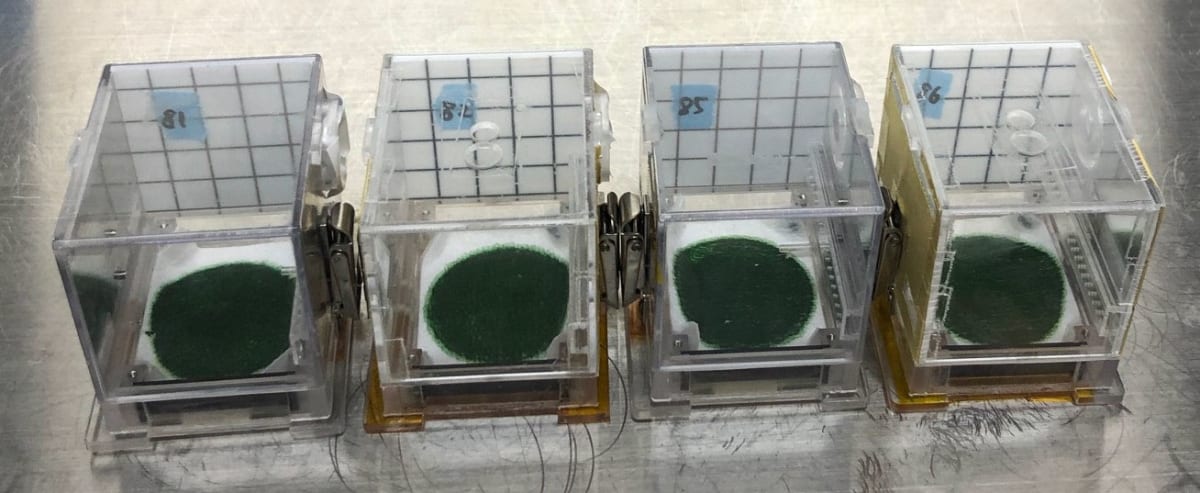
Japan's space agency is testing a game-changing method to grow spirulina, a protein-packed algae that astronauts could eat for nutrition while it simultaneously converts their exhaled carbon dioxide into fresh oxygen. Instead of traditional water tanks, researchers are growing it on thin films that use less water and produce more food per square inch, crucial advantages when every ounce matters in space.
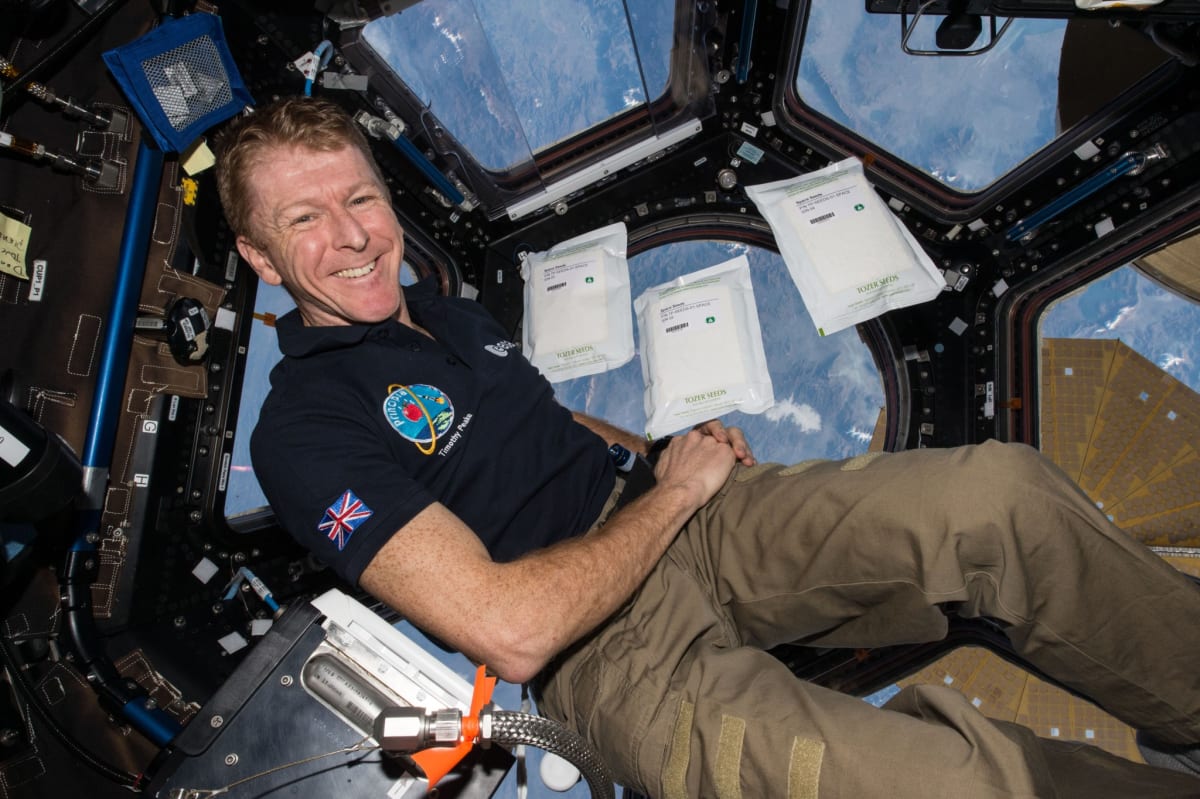
European scientists sent seeds from multiple plant species to orbit, building on a 2015 study where arugula seeds spent six months in space. When those seeds returned to Earth and were planted in UK schools, students discovered they took longer to sprout but still grew into healthy plants. This new experiment will reveal whether other crops can handle the journey just as well.
The most ambitious seed study comes from the Canadian Space Agency, which sent 1.8 million tomato seeds to the station. When they return, students across the United States and Canada will plant them alongside normal seeds in a massive blind study, comparing how space travel affected their growth.
The Ripple Effect
These experiments reach far beyond the space station. The knowledge gained from growing food in microgravity could transform farming in extreme environments on Earth, from drought-stricken regions to Arctic research stations. Students participating in the seed studies are learning real science while contributing to actual space missions, inspiring the next generation of researchers who might one day tend gardens on Mars.
Every fresh leaf of lettuce harvested in orbit brings humanity one step closer to becoming a truly spacefaring species, capable of sustaining ourselves wherever curiosity takes us.
More Images

Based on reporting by NASA
This story was written by BrightWire based on verified news reports.
Spread the positivity!
Share this good news with someone who needs it