NASA Langley Preps Artemis II Moon Mission Launch
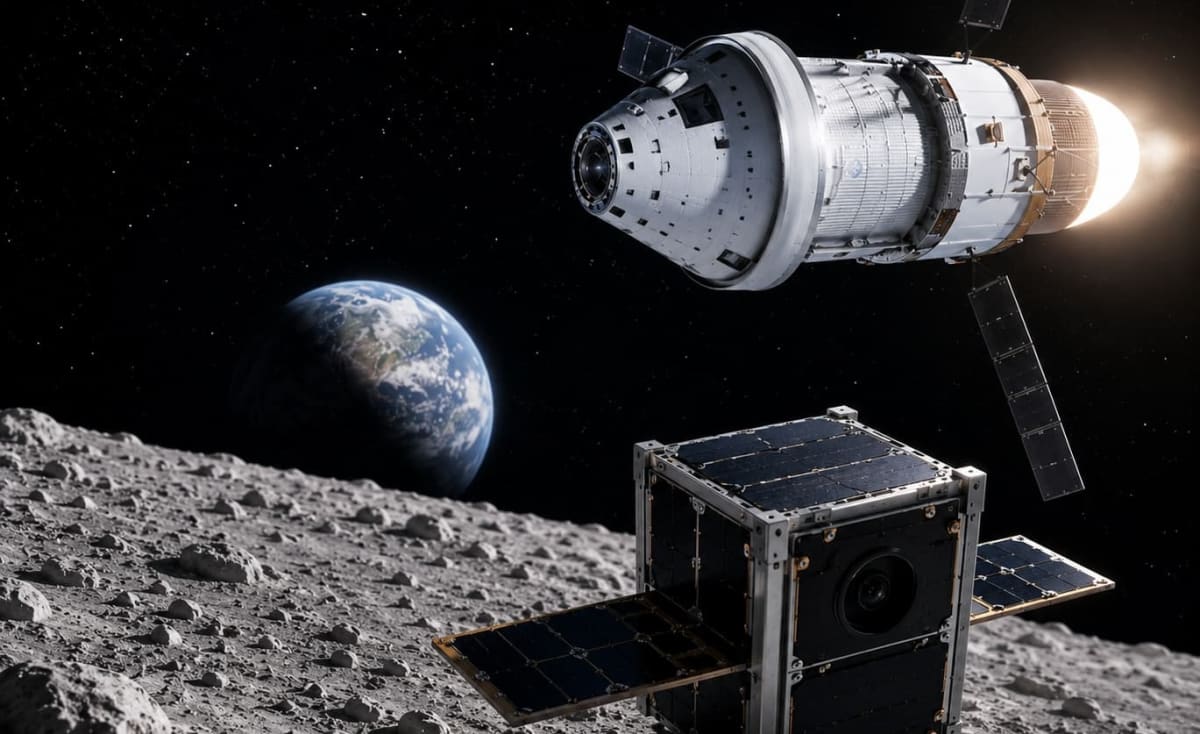
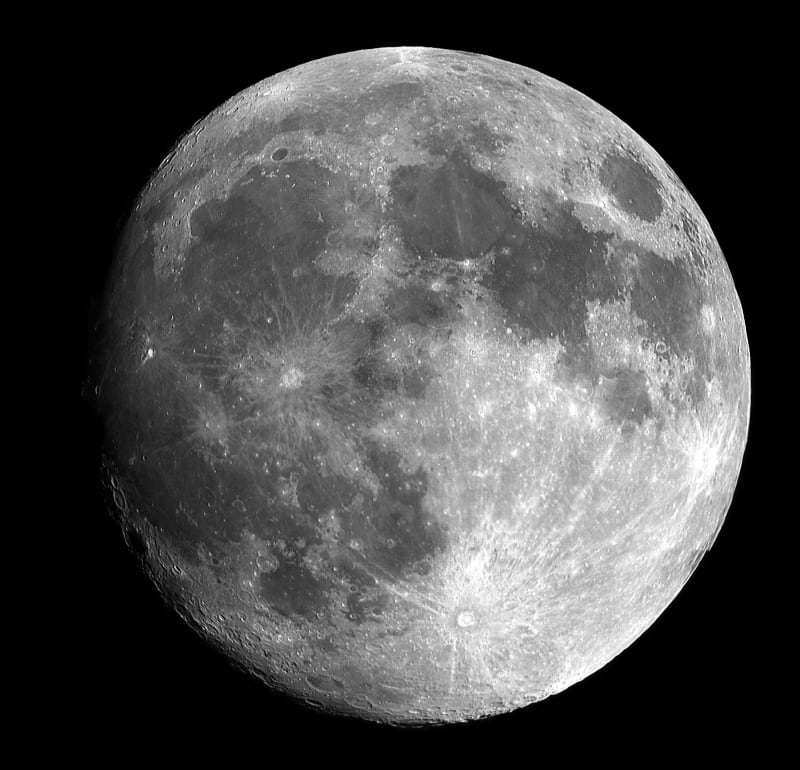
More than 50 years after Apollo 17, NASA is weeks away from launching the first crewed flight around the moon since 1972. Engineers at NASA Langley in Virginia are making final preparations to ensure the Artemis II crew returns home safely.
When Apollo 17 astronauts returned from the moon in 1972, they told NASA Langley staff in Hampton, Virginia, that "we stood on the shoulders of giants as we shot for the stars." Now, more than five decades later, those same giants are preparing to do it again.
Artemis II is set to launch a crewed flight around the moon in the coming weeks, marking humanity's return to lunar exploration. The mission faced delays after a hydrogen leak during a dress rehearsal on Monday, but NASA engineers say the test provided valuable data to ensure a successful launch.
David Piatak, who helps lead Langley's Aeroelasticity Branch, spent his career focused on crew safety after the 2003 Columbia shuttle disaster that killed seven astronauts. His team led aeroscience testing for Artemis's launch system, using wind tunnels to calculate how the rocket remains stable during its journey to orbit.
"Space is hard," Piatak said while standing on a model of the moon's surface. "The amount of energy that needs to be expended to get to orbit is enormous, and all of that has to be engineered with such precision such that we don't blow the whole thing up."
But Artemis II is just the beginning. Research aerospace engineer Julia Cline pointed to models of structures on Mars and explained that lunar missions are stepping stones to eventually landing humans on the Red Planet.
Her team focuses on building infrastructure on the moon, including power systems, communication networks, and transportation. Think of it like building a city from scratch, but 240,000 miles from Earth.
The Ripple Effect: The game changer is robotics. Four decades ago, NASA planned to have astronauts build lunar infrastructure themselves, exposing them to radiation, extreme temperatures, and micro-meteors. Today, robots can assemble systems in orbit and complete repetitive tasks before astronauts even step foot on the surface.
Langley's contributions extend beyond keeping crews safe during launch. The center is pioneering novel solutions for deep space missions, from assembling structures in orbit to creating sustainable moon bases that could support long-term human presence.
For 20 years, NASA's International Space Station has fostered a low-Earth orbit economy through partnerships with companies like Blue Origin and SpaceX. Now that collaborative approach is expanding to the moon and Mars, turning science fiction into achievable reality.
"It's us striving for excellence," Piatak said. "It's trying to push the boundaries and explore, and it's what humans are really good at."
The stars are calling, and this time, we're building the infrastructure to stay.
More Images
Based on reporting by Phys.org
This story was written by BrightWire based on verified news reports.
Spread the positivity!
Share this good news with someone who needs it