NASA Launches Artemis II: First Crew to Moon Since 1972
Four astronauts are racing toward the moon right now, marking humanity's first crewed lunar mission in over 50 years. They'll become the most distant humans ever, traveling 400,000 kilometers beyond Earth before returning home in eight days.
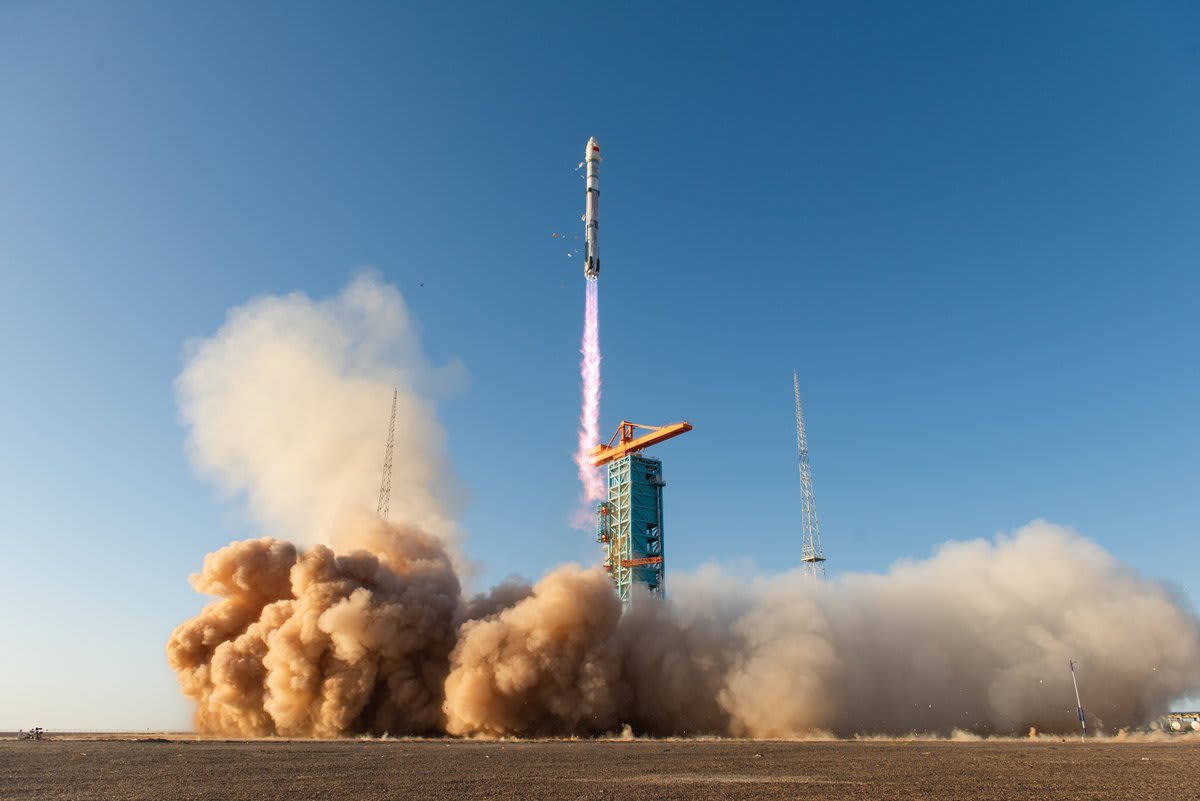
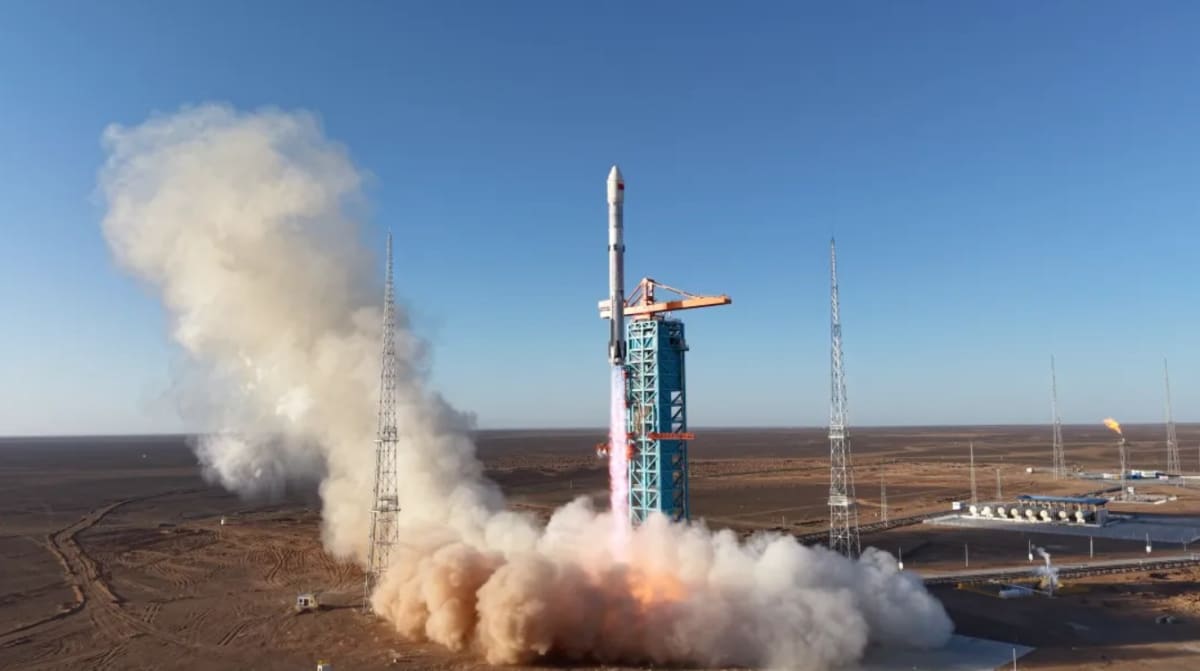
Humanity returned to the moon Thursday morning as NASA's Artemis II rocket thundered into the Florida sky, carrying four astronauts on the most ambitious space journey in half a century.
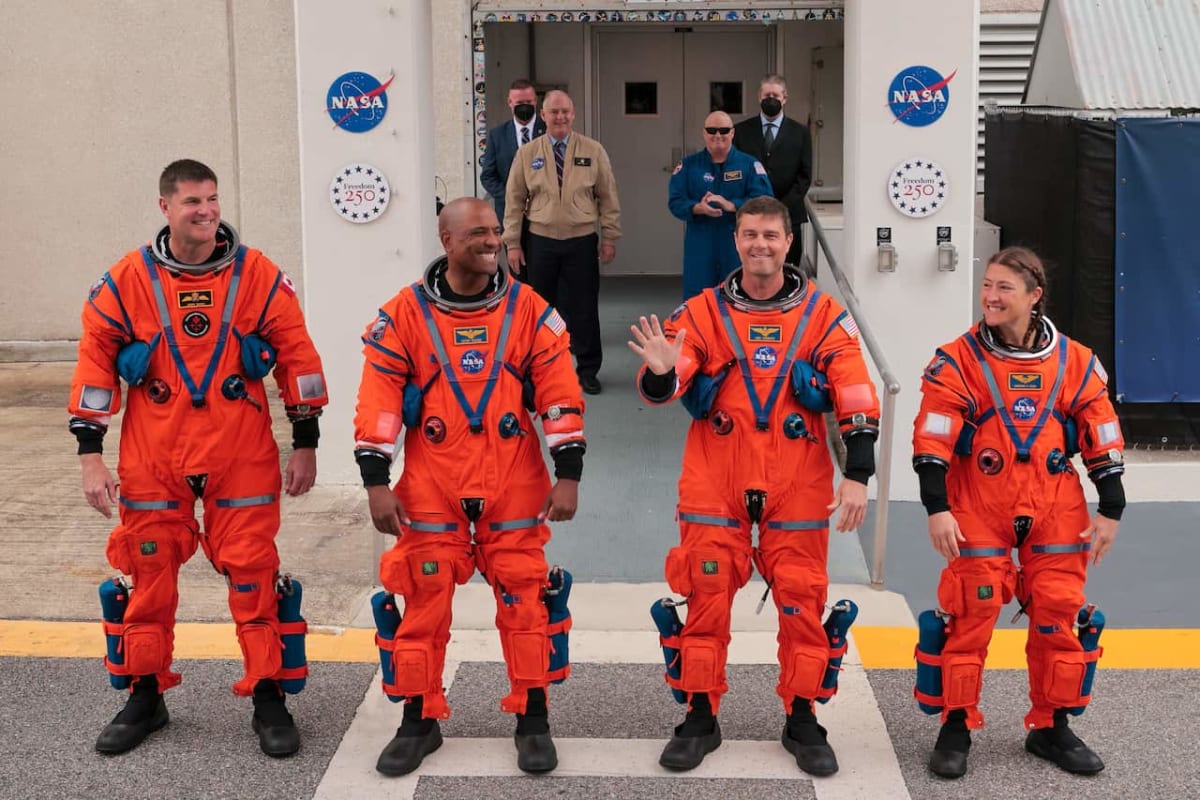
The 98-meter rocket lifted off from Kennedy Space Center around 9:30am AEDT, watched by tens of thousands who packed the beaches and roads just like they did during the Apollo era. Commander Reid Wiseman, pilot Victor Glover, and mission specialists Christina Koch and Jeremy Hansen waved to cheering crowds before boarding their spacecraft for the historic flight.
This isn't just nostalgia. These astronauts will travel farther from Earth than any human in history, zooming 6,400 kilometers past the moon before looping back home.
The crew won't land on the lunar surface this time. Instead, they're testing all the systems needed for future missions, including manual flight controls and life support equipment making their first journey into deep space.
Four days into their flight, the moon will appear basketball-sized through Orion's windows. The astronauts will capture views never seen by human eyes and even catch glimpses of a total solar eclipse as the moon blocks the sun from their unique vantage point.
The mission carries special significance for diversity in space exploration. Victor Glover will become the first Black astronaut to travel to the moon, while Christina Koch will be the first woman, and Jeremy Hansen represents Canada's growing role in lunar exploration.
The Ripple Effect
This eight-day test flight opens the door to something much bigger. NASA plans to establish a permanent moon base within years, supported by rovers and drones that will help astronauts live and work on the lunar surface.
The Artemis program represents dozens of countries working together, sharing technology and dreams. What started as competition during the Space Race has transformed into global collaboration, proving we accomplish more when we reach for the stars together.
More than three years of preparation went into perfecting the systems that failed on the uncrewed Artemis I test flight. Engineers added water dispensers, toilets, and life support equipment while strengthening heat shields and communication systems.
The handful of Apollo astronauts still alive gathered to watch this new generation launch from the same pad that sent them moonward decades ago. Their cheers bridged generations of explorers, passing the torch to those who will push even farther into space.
If all goes well, astronauts will walk on the moon again in just two years, establishing humanity's first foothold beyond Earth and preparing for eventual missions to Mars.
More Images

Based on reporting by SBS Australia
This story was written by BrightWire based on verified news reports.
Spread the positivity!
Share this good news with someone who needs it