NASA Launches Rocket to Save Falling Space Telescope
A 22-year-old space telescope that's been falling back to Earth just got a rescue mission. NASA is sending a robotic spacecraft on June 27 to boost it back into orbit and extend its life by several more years.
A beloved space telescope that has spent two decades revealing the universe's secrets is getting a dramatic second chance at life.
The Neil Gehrels Swift Observatory has been falling toward Earth faster than expected, threatening to end its groundbreaking mission early. But NASA refuses to let that happen. On June 27, the agency will launch a robotic spacecraft called LINK to rendezvous with Swift and push it back to a safer orbit.
The rescue mission represents NASA's first attempt to save a satellite already in space using commercial technology. The agency partnered with Arizona's Katalyst Space to build LINK specifically for this moment.
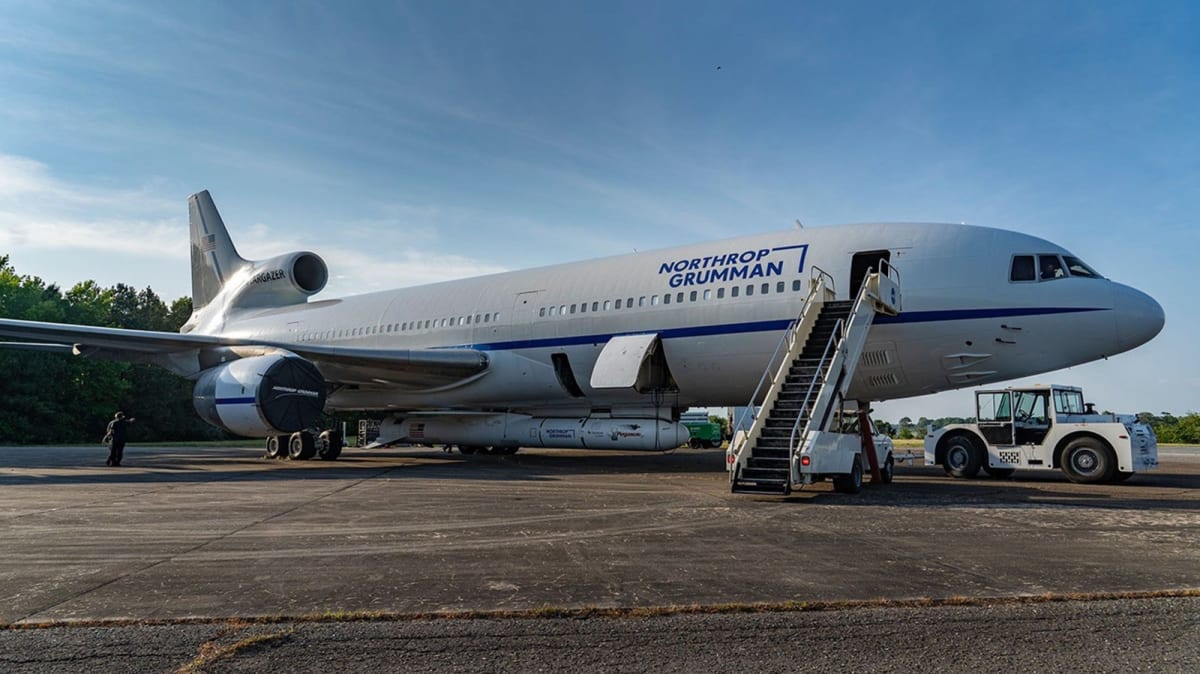
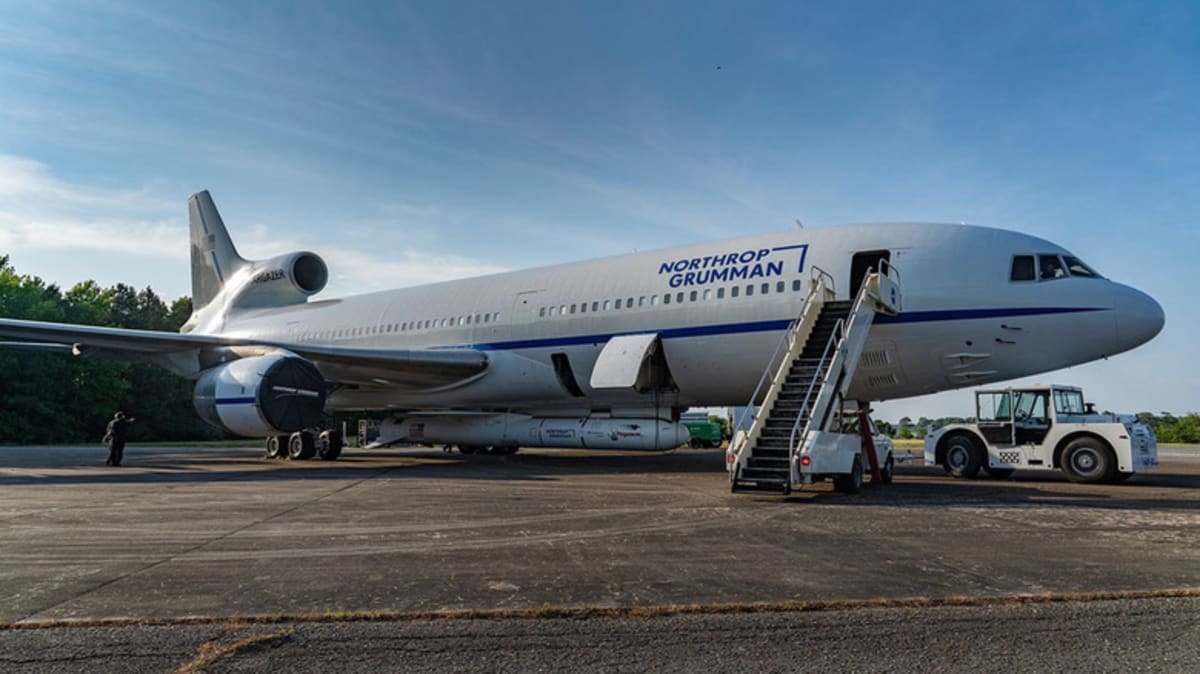
The launch itself sounds like something from a movie. A plane called Stargazer will carry the Pegasus XL rocket to 40,000 feet above the South Pacific Ocean. The rocket will drop from the plane's belly, free fall for a few seconds, then fire its engines and deliver LINK to space in just 10 minutes.
Swift's orbit started decaying faster than normal because the sun has been unusually active lately. That extra solar activity creates more atmospheric drag, pulling the telescope down faster than scientists anticipated. Without intervention, Swift would have tumbled back to Earth within a few years.
The telescope launched in 2004 to study gamma-ray bursts, the most powerful explosions in the universe. Today it does much more. Swift acts as a cosmic dispatcher, detecting sudden events in space and alerting other telescopes to investigate. It recently spotted an X-ray source that turned out to be a 13-billion-year-old supernova, which the James Webb Space Telescope then studied in detail.
The Ripple Effect
Saving Swift means preserving a critical hub in humanity's network of space observatories. When something dramatic happens billions of light-years away, Swift is often the first to notice and sound the alarm.
The mission also proves that space agencies can respond quickly to emergencies using commercial partners. NASA scientist Shawn Domagal-Goldman called it meeting a race against the clock head-on by leveraging technologies already in development.
Other aging satellites in orbit could benefit from similar rescue missions in the future. LINK's success would show that valuable scientific instruments don't have to be abandoned just because their orbits decay.
The plane carrying LINK's rocket departed Virginia on June 18 and has already arrived at its launch site in the Marshall Islands. Everything is on track for liftoff in one week.
A telescope that has already given humanity 22 years of cosmic discoveries is about to get several more years to keep revealing the universe's mysteries.
More Images
Based on reporting by Engadget
This story was written by BrightWire based on verified news reports.
Spread the positivity!
Share this good news with someone who needs it