NASA Mission Manager Keeps Artemis II Astronauts Connected
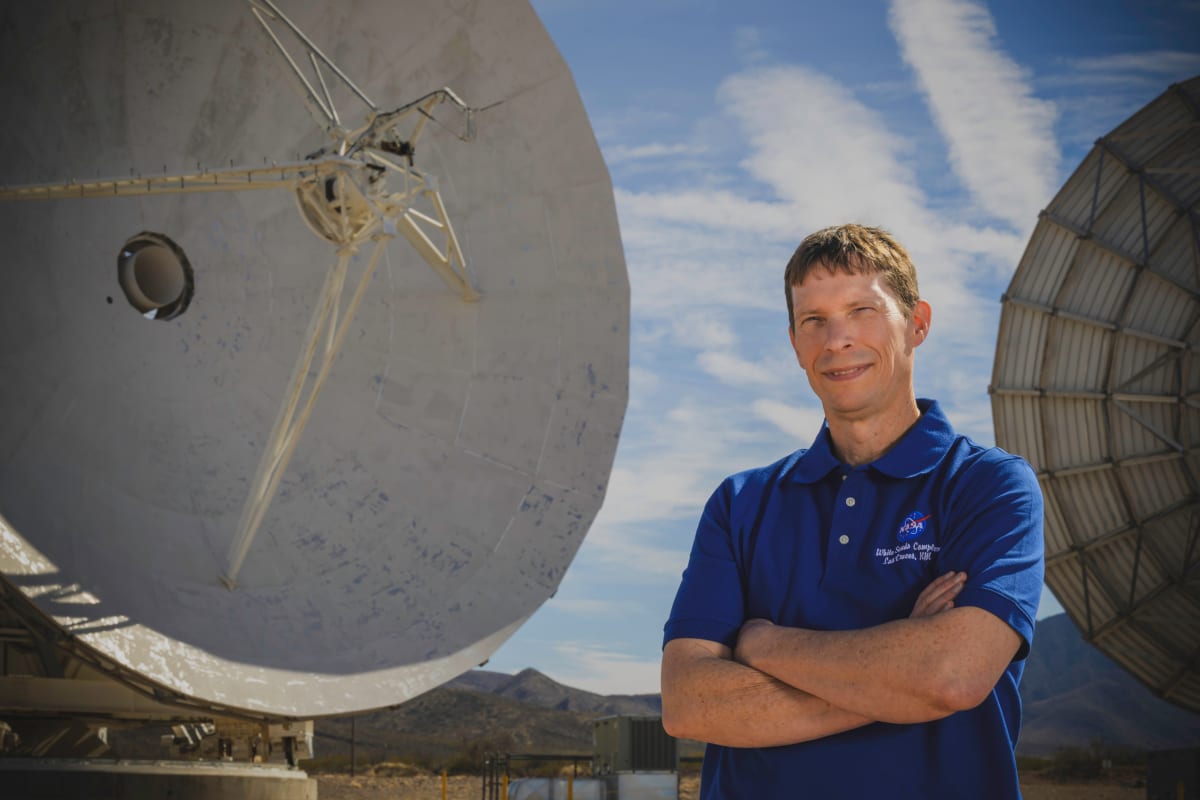
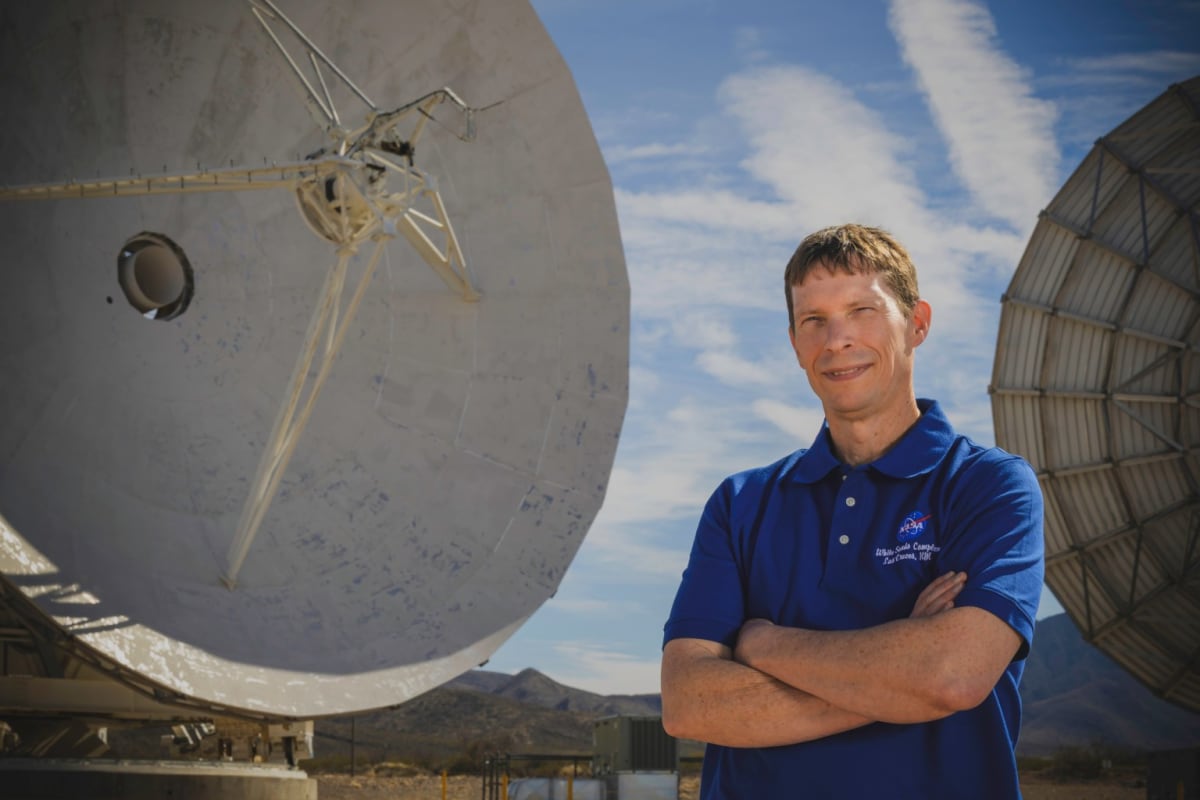
Erik Richards spent his career making sure spacecraft can talk to Earth, and now he's the person keeping NASA's first crewed Moon mission in 40 years connected to home. His Near Space Network will track Artemis II astronauts from liftoff to splashdown.
When four astronauts launch toward the Moon on Artemis II, Erik Richards will be the person making sure they never lose touch with home.
As mission manager for NASA's Near Space Network, Richards oversees the invisible web of satellites and ground stations that will keep the Orion spacecraft connected to mission control during its 10-day journey. It's the job he's been building toward his entire career.
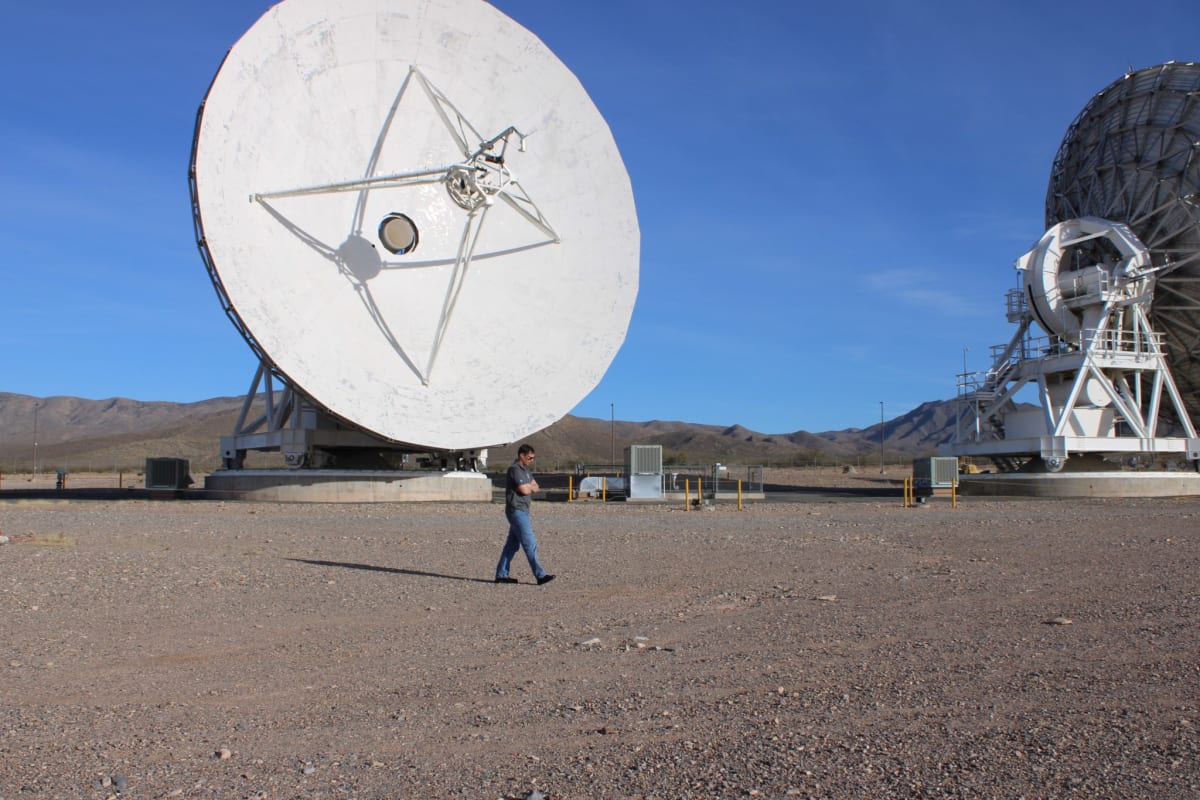
Richards grew up watching Space Shuttle launches like millions of other kids in the 1980s and 90s. That childhood wonder eventually took him from Antarctica's McMurdo Station to NASA's Goddard Space Flight Center in Maryland, and now to the White Sands Complex in New Mexico.
His network consists of more than 40 government and commercial ground stations stretching from Bermuda to South Africa. Together with NASA's Deep Space Network, these stations will handle navigation, real-time voice communications, data transfer, and situational awareness throughout the mission.
Richards compares the system to a telephone network. When it works, you don't notice it. When it doesn't, nothing else matters.
The Near Space Network will support Artemis II during the most critical moments: liftoff, early orbit, re-entry, and splashdown. Richards will be on console the entire time, monitoring data flow and coordinating support across dozens of sites worldwide.
Having crew aboard makes the stakes higher than any robotic mission. Richards has spent months on testing, requirements development, and readiness operations to prepare. He's coordinating communications across three flight segments, dozens of ground stations, and hundreds of people.
Why This Inspires
Richards proves you don't need to be an astronaut to be part of humanity's return to the Moon. His journey across NASA's networks gave him the experience to coordinate one of the most complex communications challenges in spaceflight.
The work he's doing for Artemis II will carry forward to Artemis III and NASA's goal of sustained human presence on the lunar surface. Every test, every connection check, every console shift builds the foundation for the missions to come.
For Richards, being part of something greater than himself connects him back to that kid watching shuttle launches. The dream looks different than he imagined, but it's just as meaningful.
America is going back to the Moon, and Erik Richards is making sure the astronauts can always call home.
More Images

Based on reporting by NASA
This story was written by BrightWire based on verified news reports.
Spread the positivity!
Share this good news with someone who needs it