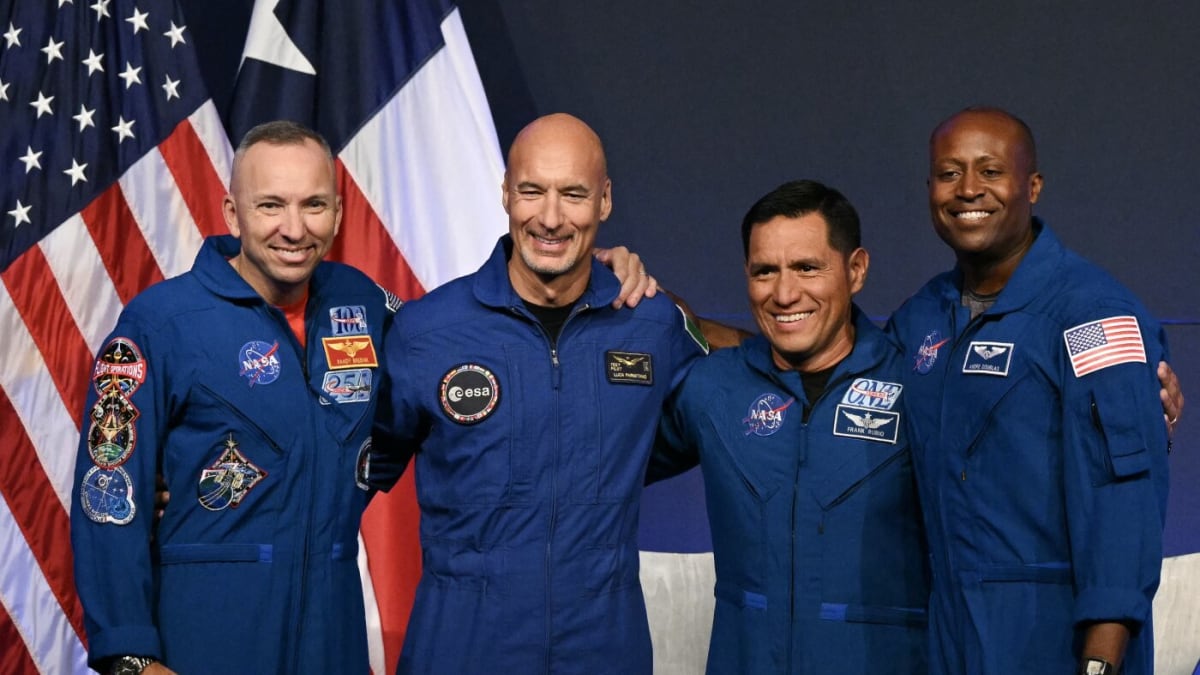
NASA Names 4-Astronaut Crew for Artemis III Mission
NASA just announced the international crew of four who will fly the crucial Artemis III mission in 2027, testing technology that will bring humans back to the moon for the first time in over 50 years. This test flight keeps the crew close to Earth while they practice the delicate docking maneuvers needed for future lunar landings.
Four astronauts are about to rehearse humanity's return to the moon, and their mission could reshape space exploration for generations.
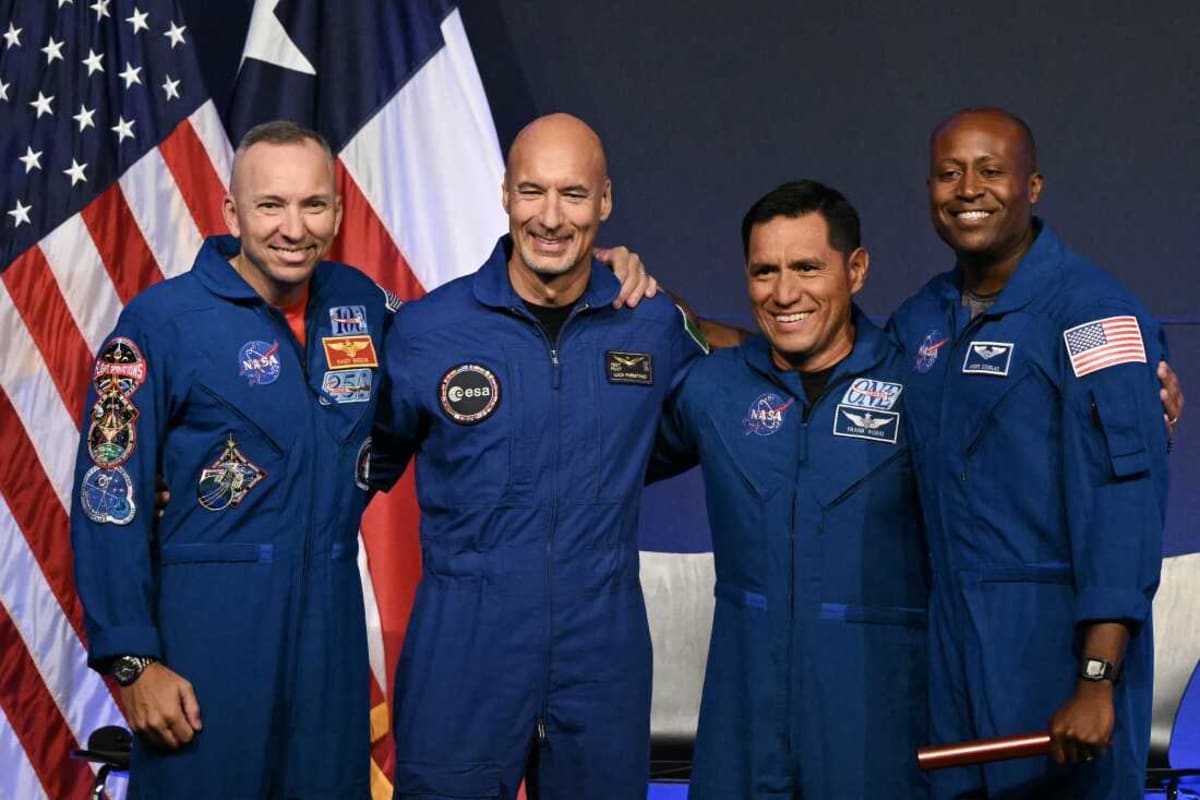
NASA revealed Tuesday that commander Randy Bresnik, pilot Luca Parmitano from the European Space Agency, and mission specialists Frank Rubio and Andre Douglas will fly the Artemis III mission as early as next year. The crew brings incredible experience, from Rubio's record-breaking 371 days in space to Parmitano surviving a near-drowning during a spacewalk when his helmet filled with water.
Their mission might not leave Earth's orbit, but it's anything but simple. The crew will test docking maneuvers with two different commercial lunar landers built by SpaceX and Blue Origin, practicing the precise coordination future astronauts will need to land on the moon.
Here's how it works: Blue Origin's Blue Moon lander launches first and waits in orbit for up to 90 days. The crew then launches aboard NASA's Orion capsule, catches up to the lander, and docks with it for two days while testing life support and control systems. After undocking, they'll repeat the process with SpaceX's Starship before splashing down in the Pacific Ocean.
For Andre Douglas, this will be his first spaceflight after serving as backup crew for Artemis II. "This mission is going to be fantastic," he said at the announcement from NASA's Johnson Space Center in Houston. "What an excellent crew. Got Artemis! Go NASA!"
The mission builds directly on Artemis II's success, where astronauts recently swung around the moon and broke Apollo distance records. At Tuesday's ceremony, Artemis II commander Reid Wiseman handed the Artemis III crew a baton they'd carried to the moon and back, symbolizing the careful, step-by-step progress toward landing humans on the lunar surface.
The Ripple Effect
This test mission creates a bridge between where we are and where we're going. By testing complex docking procedures close to home instead of four days away near the moon, NASA reduces risk while building confidence in the private space companies now creating our lunar future.
The partnership between NASA and commercial companies like SpaceX and Blue Origin represents a new model for space exploration, one where innovation happens faster and costs drop while ambitions soar higher. When these astronauts successfully dock with those landers, they'll prove that the dream of returning to the moon isn't just possible but practical.
NASA administrator Jared Isaacman wants to launch by late 2027, and despite recent setbacks including an explosion during Blue Origin's rocket testing, teams remain confident. "Setbacks are a learning opportunity," said NASA's Jeremy Parsons. "We are confident that New Glenn will be ready for Artemis III."
As Bresnik reminded everyone at the announcement, each mission builds the foundation for the next: "The most important Artemis mission will always be the next Artemis mission."
By 2028, humans could walk on the moon again, and this crew will have helped make it happen.
More Images



Based on reporting by NPR Science
This story was written by BrightWire based on verified news reports.
Spread the positivity!
Share this good news with someone who needs it