NASA Names 4 Astronauts for Artemis III Moon Mission
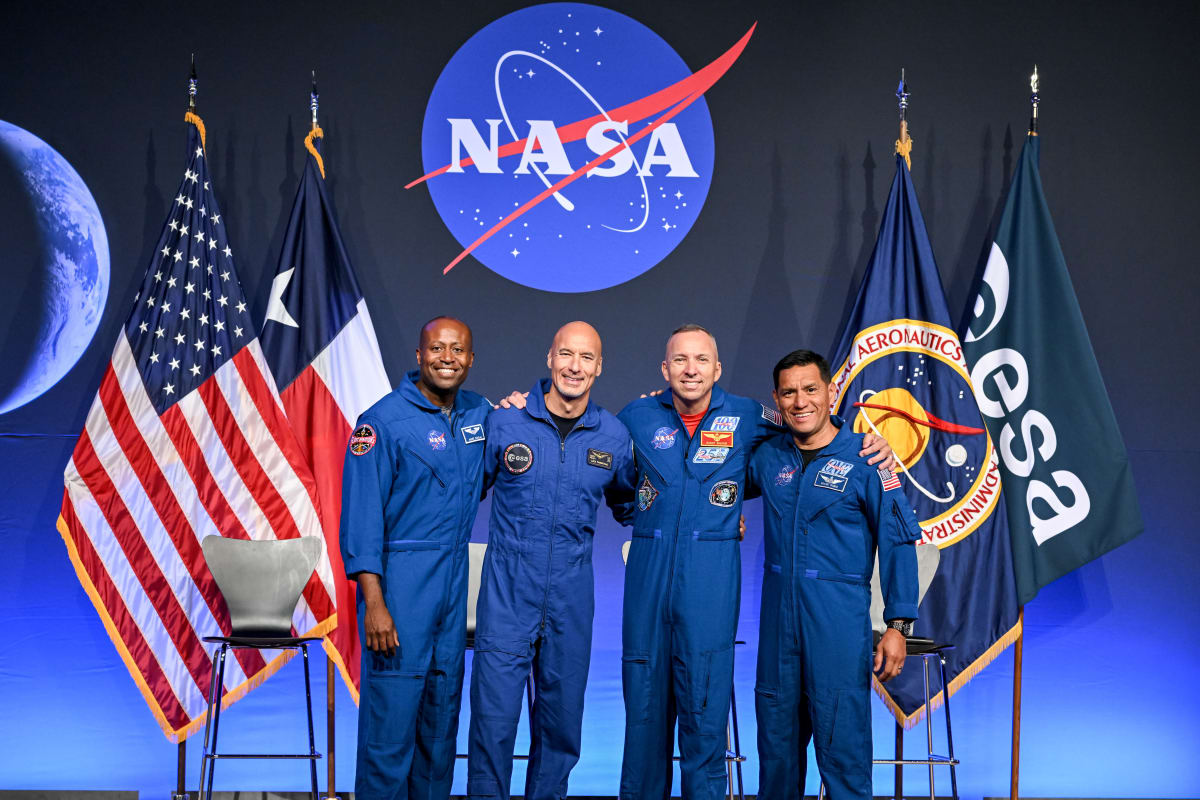
Four astronauts will make history as the crew of Artemis III, testing crucial technology that will eventually land humans back on the Moon. The international team includes three NASA astronauts and one European Space Agency astronaut preparing for humanity's next giant leap.
NASA just brought us one step closer to returning humans to the Moon by announcing the four astronauts who will crew the Artemis III mission.
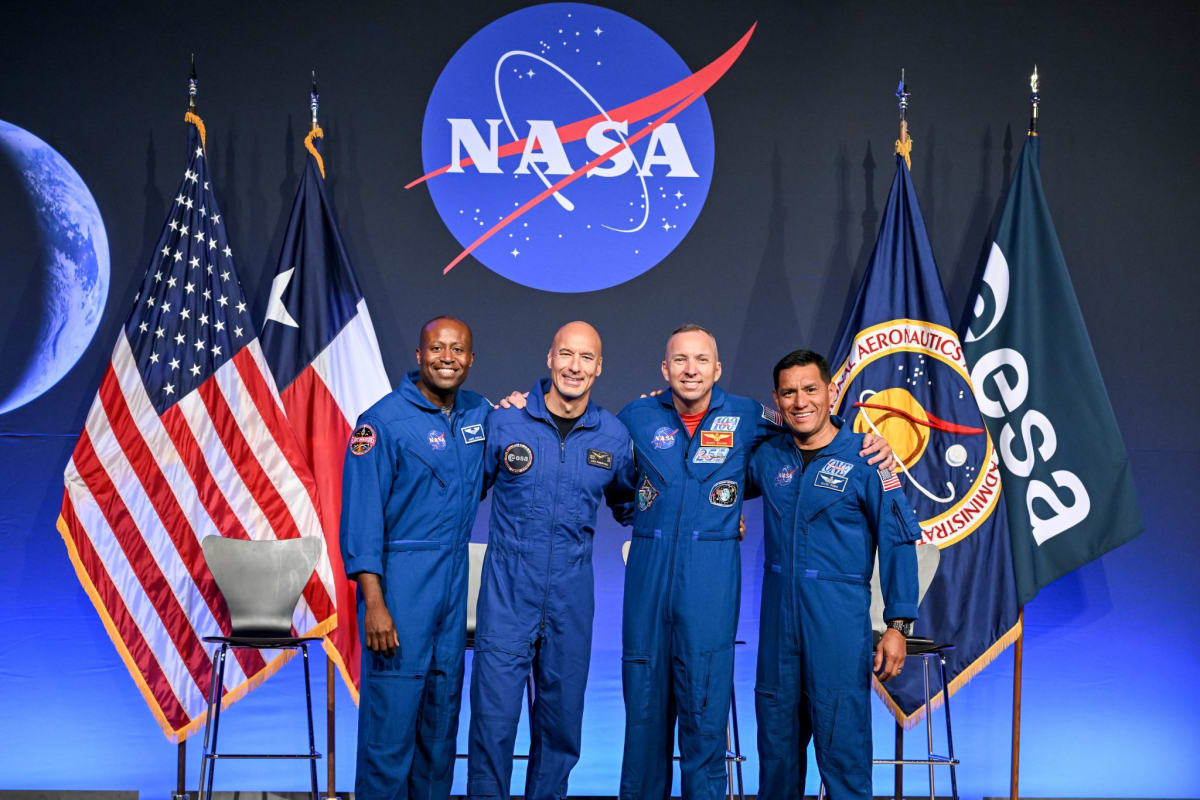
The crew includes NASA astronauts Andre Douglas, Randy Bresnik, and Frank Rubio, along with European Space Agency astronaut Luca Parmitano. The announcement came on June 9, 2026, marking a major milestone in the Artemis program that aims to establish a lasting human presence on and around the Moon.
This mission won't land on the lunar surface just yet, but it's doing something equally important. Artemis III will test how NASA's Orion spacecraft works with commercial lunar landers built by SpaceX and Blue Origin while orbiting Earth.
Think of it as a dress rehearsal in low Earth orbit before the real show. The crew will practice all the complex maneuvers and transfers that future astronauts will need to perform near the Moon, but with the safety net of being close to home.
The international collaboration reflects a new era of space exploration. Parmitano's inclusion shows that returning to the Moon is a global effort, bringing together expertise and resources from multiple nations.
The Ripple Effect
This mission represents more than just another spaceflight. By testing commercial landers from private companies, NASA is helping build an entirely new space economy that could make lunar visits routine rather than rare.
The data and experience gained from Artemis III will directly enable future missions to actually land on the Moon's south pole. That region contains water ice that could be turned into drinking water, breathable air, and even rocket fuel for missions deeper into space.
These four astronauts are paving the way for a sustainable lunar presence that could include research stations, resource extraction, and eventually using the Moon as a jumping off point for Mars. Their work in low Earth orbit will help ensure that when humans do return to the lunar surface, everything works exactly as planned.
The mission shows how far we've come since the last Moon landing in 1972. This time, we're not just visiting, we're preparing to stay.
More Images
Based on reporting by NASA
This story was written by BrightWire based on verified news reports.
Spread the positivity!
Share this good news with someone who needs it