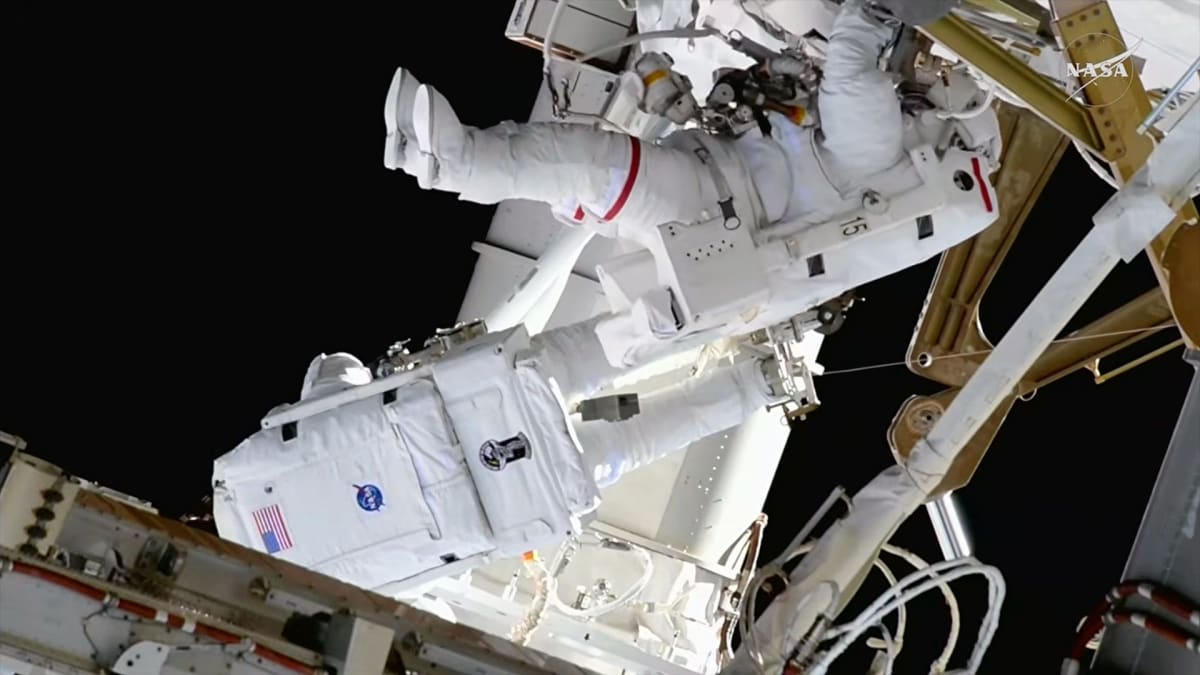
NASA Now Supports Astronaut Families Through Moon Missions
When Reid Wiseman learned he'd command Artemis II to the moon, the single father of two felt heaviness, not joy. NASA now provides comprehensive family support that recognizes missions begin the moment astronauts are assigned.
When Reid Wiseman learned he would command NASA's Artemis II mission around the moon, his first emotion wasn't excitement. As a single parent to two daughters, the astronaut described the feeling as "pretty heavy."
The difference today is that NASA sees that weight too. The space agency has transformed how it supports astronaut families, recognizing that the mission doesn't start at launch but the moment crew members get assigned.
For Artemis II, that meant nearly three years of preparation before Wednesday's historic launch. The first human moon mission in over 50 years brought unique stresses that NASA psychologists James Picano and Anna Morgenthaler worked to address.
"The mission begins at assignment," Picano explained. His team provided counseling, regular check-ins, and specialized training for families navigating the intense demands of deep space exploration.
Dr. Catherine Hansen, whose husband Jeremy flew on Artemis II, described the preparation as "all-consuming for our whole family." The mother of three children faced constant briefings and the difficult task of planning for worst-case scenarios.
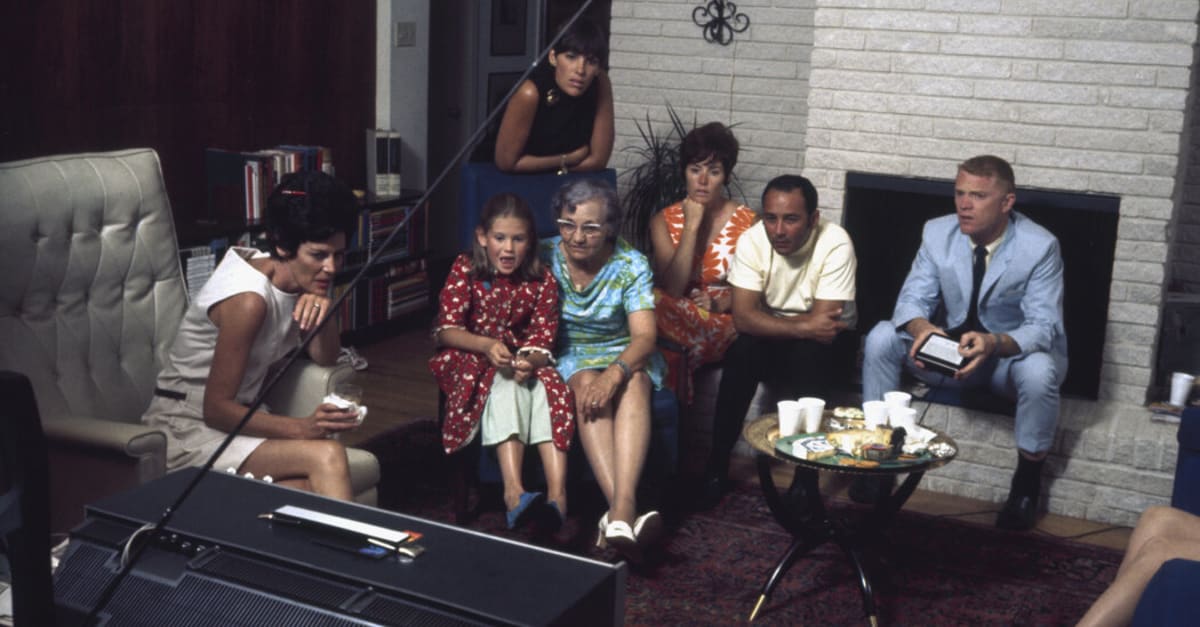
This level of care represents a dramatic shift from the 1960s, when NASA offered little formal support. Back then, astronaut wives formed their own support network, the Astronaut Wives Club, while reporters camped on their lawns without any media training provided.
The 1967 Apollo 1 disaster, which killed three crew members, became a turning point. NASA began developing psychological, medical, and financial resources for families, though sociologist Tracy Scott notes they were "developed kind of by the seat of the pants."
Today's Artemis families face challenges the Apollo generation never encountered. Communication delays with the moon create anxious moments, and Artemis II experienced a brief period when even mission control couldn't contact the crew as they traveled behind the moon.
NASA prepared families for these realities. The agency arranged two weeks of quarantine time together in Houston before launch, giving astronauts precious final days with their loved ones before the journey.
Why This Inspires
NASA's evolution shows how organizations can grow more human over time. By acknowledging that astronaut families carry the mission's emotional weight, the space agency ensures crew members can focus fully on their dangerous work.
The support also reflects a broader truth about ambitious goals. Behind every person reaching for the stars stands a family making sacrifices, and recognizing their contribution makes the achievement possible.
As humanity prepares for sustained moon presence and eventual Mars missions, NASA's family-centered approach offers a blueprint. Progress isn't just about technology but about caring for the people who make it happen.
The Artemis II crew is making history in space, supported by families making history on Earth.
Based on reporting by Google News - Science
This story was written by BrightWire based on verified news reports.
Spread the positivity!
Share this good news with someone who needs it