NASA Picks Stony Brook Professor for Moon Mission Team
A geosciences professor will help plan humanity's return to the Moon after nearly 60 years. Timothy Glotch joins NASA's elite science team shaping what astronauts will study on the lunar surface.
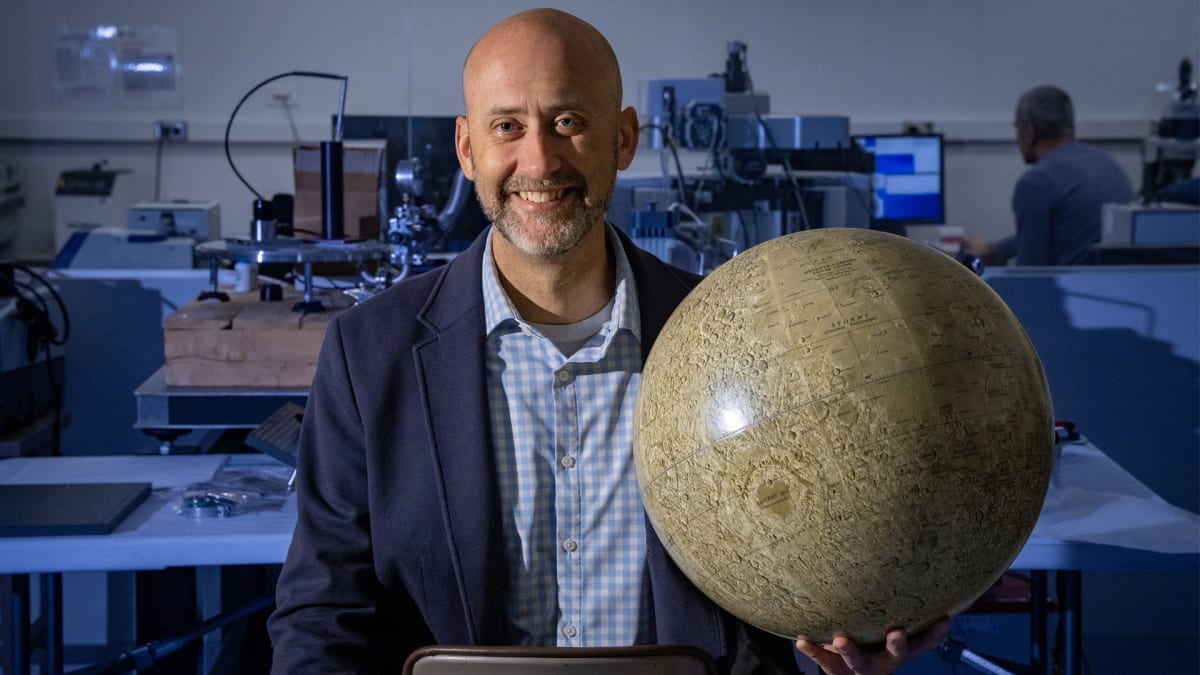
Timothy Glotch is trading his university office for Mission Control as one of 10 scientists selected to guide NASA's Artemis astronauts during their groundbreaking Moon landing.
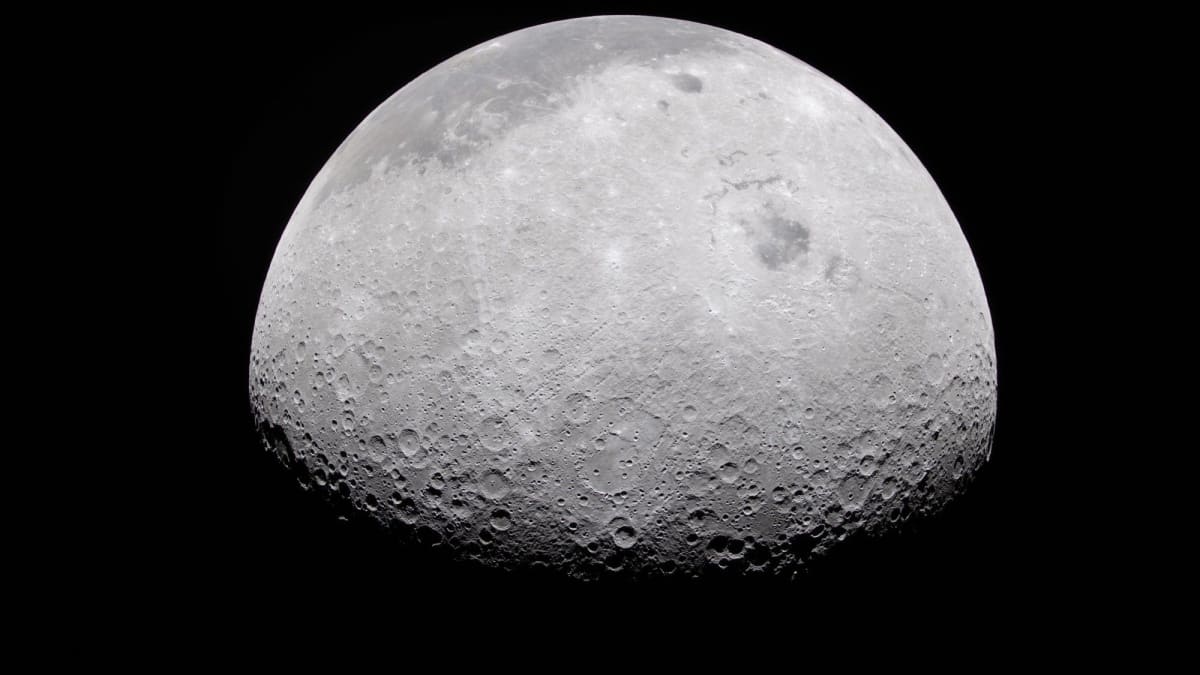
The Stony Brook University geosciences professor will help astronauts deploy instruments, collect Moon rocks, and make critical observations near the lunar South Pole. This polar region holds mysteries that have captivated scientists since the Apollo era, with dark craters possibly hiding ice and mountain peaks bathed in near-constant sunlight.
Glotch's role extends far beyond planning. He'll be inside NASA's Houston Mission Control during actual operations, supporting astronauts in real time as they explore terrain no human has ever visited.
The team faces fascinating questions left unanswered for decades. How did ancient impacts shape the Moon? Where exactly does shallow ice hide beneath the surface? These aren't just academic puzzles but keys to understanding our solar system's history and enabling future exploration.
Why This Inspires
This mission represents something bigger than footprints in lunar dust. The processes Glotch's team develops will become the blueprint for increasingly ambitious missions across the Moon's surface and below.
Stony Brook's connection to lunar science runs deep, stretching back to the original Apollo program when the department was founded. Now Glotch carries that torch forward into what NASA calls a "Golden Age of exploration and discovery."
The science gathered during Artemis won't just answer old questions. It will lay the foundation for humanity's first crewed missions to Mars, turning science fiction into actionable plans.
"I'm looking forward to doing my part to help maximize the scientific return from NASA's first crewed mission to the surface of the Moon in almost 60 years," Glotch said. After decades of robotic explorers, human curiosity and adaptability return to Earth's nearest neighbor.
The countdown to this new chapter in space exploration has begun, with scientists like Glotch ensuring every moment on the lunar surface advances our understanding of the cosmos.
Based on reporting by Google: scientific discovery
This story was written by BrightWire based on verified news reports.
Spread the positivity!
Share this good news with someone who needs it