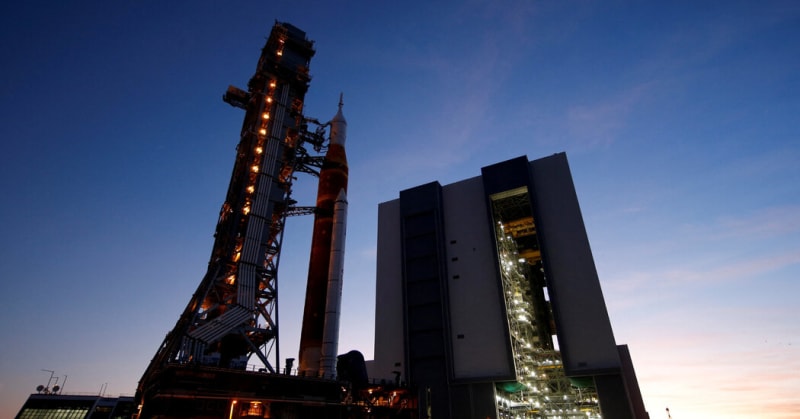
NASA Plans 2 Moon Landings in 2028 Under New Artemis Plan
NASA just announced a bold overhaul of its Artemis moon program, aiming to land astronauts on the lunar surface twice in 2028. The new approach mirrors the rapid launch pace of the historic Apollo missions that first put humans on the moon.
America is returning to the moon faster than expected, and NASA just revealed an exciting new game plan to make it happen.
NASA Administrator Jared Isaacman announced sweeping changes to the Artemis program on Friday, transforming the agency's approach to lunar exploration. Instead of waiting years between missions, NASA will now launch more frequently, following the proven strategy that successfully landed astronauts on the moon in the 1960s.
"No one at NASA forgot their history books," Isaacman said during the announcement. "They knew how to do this. Now we're putting it in action."
The restructured timeline includes a crucial change to Artemis III, now scheduled for mid-2027. Rather than attempting a risky moon landing with untested equipment, astronauts will practice docking procedures with lunar landers from SpaceX and Blue Origin in Earth orbit. This dress rehearsal sets the stage for two moon landing attempts in 2028 with Artemis IV and V.
The new schedule addresses a critical problem: launching only once every three years gave NASA few chances to identify and fix issues. By accelerating the pace, engineers can test solutions faster and learn from each mission before the next one.
"It's ambitious, but with this course correction, we are on a more stable foundation," said Amit Kshatriya, NASA's associate administrator.
The Ripple Effect
The announcement energized the space industry beyond NASA. Both SpaceX and Blue Origin responded enthusiastically to the accelerated timeline. "We look forward to working with NASA to fly missions that demonstrate valuable progress towards establishing a permanent, sustainable presence on the lunar surface," SpaceX posted.
The simplified approach also improves safety. A NASA safety panel had warned that the original Artemis III plan was "high risk" because it attempted too many unproven technologies at once during a complicated mission to the moon's south pole.
Under the new plan, NASA will standardize the Space Launch System rocket design and reduce complexity wherever possible. The agency also plans to hire more engineers to perform work in-house rather than relying entirely on contractors.
The changes come after Isaacman completed a whirlwind tour of NASA facilities and called for cultural improvements following leadership issues identified during Boeing's troubled Starliner mission. His decisive action demonstrates a renewed commitment to excellence in human spaceflight.
The next immediate milestone remains Artemis II, which will send four astronauts on a flight around the moon without landing. Launch windows open April 1 through April 6, weather and repairs permitting.
America's return to the moon is happening, and it's happening on a timeline that brings the dream closer than ever.
Based on reporting by Google News - Science
This story was written by BrightWire based on verified news reports.
Spread the positivity!
Share this good news with someone who needs it