NASA Plans 3 Moon Missions to Build Lunar Base by 2026
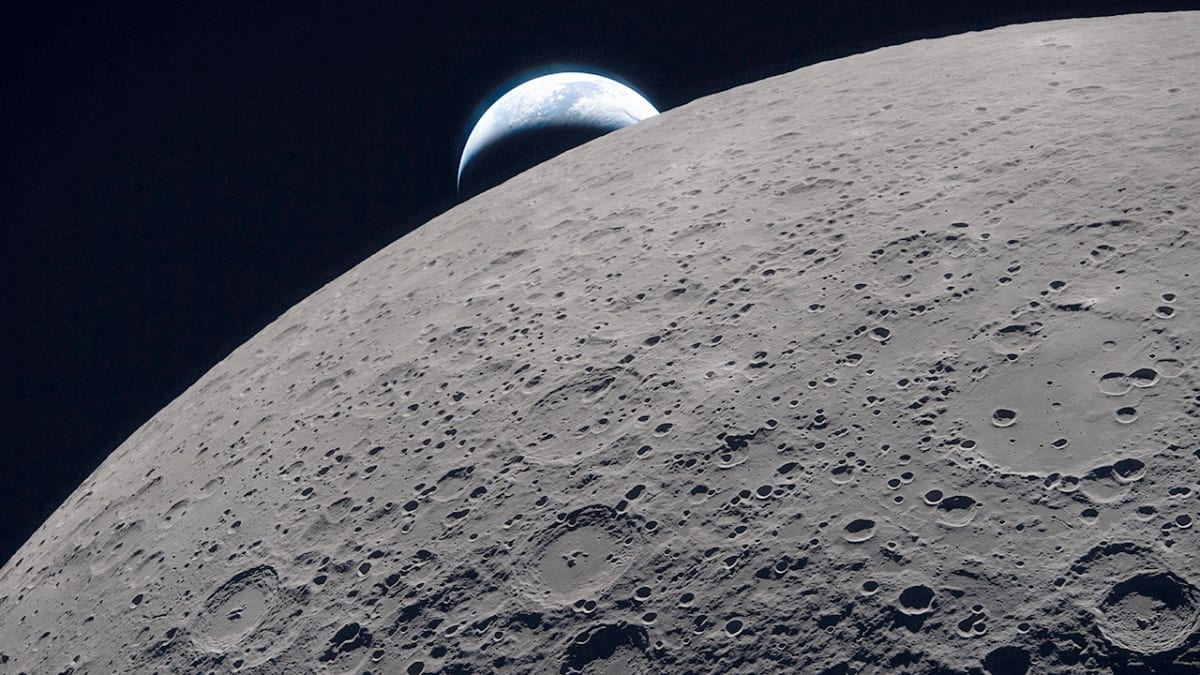
America is racing back to the Moon with three robotic missions launching by late 2026, all designed to help build the first permanent lunar outpost. NASA's ambitious Moon Base program will test commercial landers, rovers, and autonomous systems before astronauts return to stay.
NASA just announced three lunar missions that could transform humanity's relationship with the Moon, setting the stage for a permanent American presence on our nearest celestial neighbor by the end of 2026.
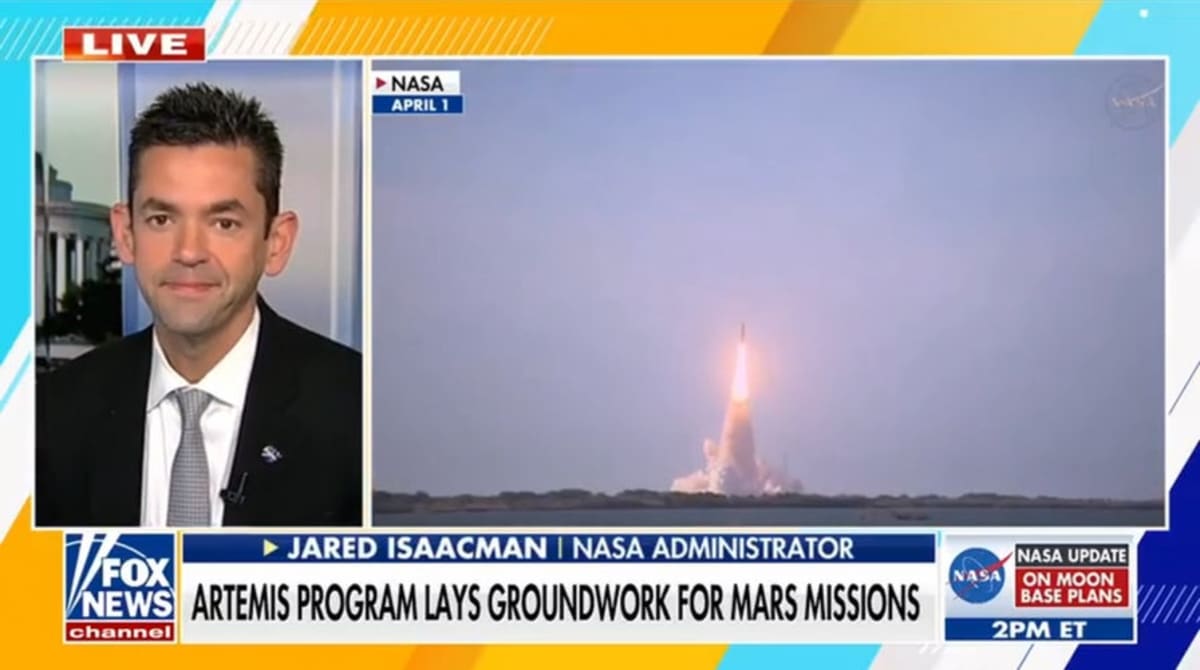
NASA Administrator Jared Isaacman revealed the Moon Base initiative on Tuesday, describing an ambitious plan to establish a sustained lunar outpost. "America is returning to the Moon, and this time to stay," Isaacman told reporters.
The first mission, Moon Base I, will use Blue Origin's Blue Moon lander to deliver science equipment to the Shackleton Connecting Ridge near the lunar south pole this fall. Scientists believe this region holds precious water ice reserves that could support future astronauts and even produce rocket fuel.
Moon Base II will carry Astrolab's FLEX rover to the surface with over 500 kilograms of cargo. The rover will test systems that astronauts will eventually use to explore the harsh lunar landscape and conduct autonomous operations without human control.
Moon Base III rounds out the trio with a science mission to study mysterious bright formations called lunar swirls, which scientists think may be connected to magnetic fields beneath the Moon's surface. The mission will also carry payloads from European and Korean space agencies, making it a truly international effort.
These three launches represent just the beginning. NASA expects to announce more than a dozen additional Moon Base missions this year as part of a 25-launch, 21-landing campaign that will deliver roughly four metric tons of cargo to the lunar surface.
The agency is also developing special "Moonfall" drones to scout landing zones, map terrain, and search for water ice beneath the south pole. Two companies, Astrolab and Lunar Outpost, received contracts to build lunar terrain vehicles that will help astronauts traverse the Moon's challenging landscape.
The Ripple Effect
NASA's strategy deliberately mirrors the rapid-fire Apollo missions of the 1960s, using commercial partnerships and repeated testing to figure out what works before sending astronauts. This approach speeds up innovation while reducing costs by tapping into private sector expertise.
The Moon Base program serves a purpose beyond lunar exploration. NASA views the effort as essential training for eventual Mars missions, allowing engineers and scientists to master the skills needed for sustained human presence on another world in a relatively nearby testing ground.
Program manager Carlos Garcia-Galan emphasized the importance of robotic precursor missions given the Moon's brutal conditions: extreme temperatures swinging hundreds of degrees, constant radiation exposure, and relentless micrometeorite impacts. Each mission will teach NASA how to protect future astronauts living and working in this hostile environment.
The initiative also positions America to compete with China in a new space race, as both nations push to establish lunar footholds that could shape space exploration for decades to come.
These missions will inspire a new generation of explorers while proving that sustained human presence beyond Earth isn't just science fiction anymore.
More Images
Based on reporting by Fox News Science
This story was written by BrightWire based on verified news reports.
Spread the positivity!
Share this good news with someone who needs it