NASA Plans 4 Moon Missions by 2028 Under New Timeline
NASA Administrator Jared Isaacman announced an ambitious plan to launch four Artemis missions before 2028, returning American astronauts to the Moon for the first time in over 50 years. The accelerated timeline aims to build a lasting lunar presence with more frequent launches.
America is heading back to the Moon, and this time we're planning to stay.
NASA Administrator Jared Isaacman revealed that four Artemis missions will launch before the end of 2028, with astronauts returning to the lunar surface during two of those trips. The ambitious timeline marks a dramatic shift from the single test flight completed in the previous four years.
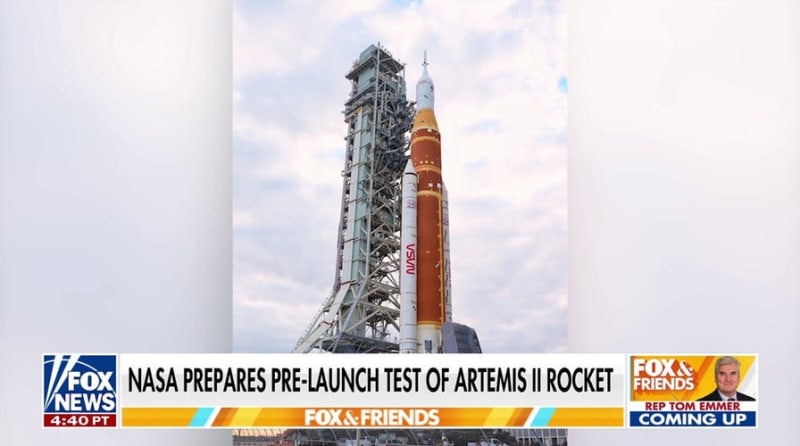
Artemis II will launch as soon as early April, sending astronauts around the Moon. By mid 2027, Artemis III will test critical systems in low Earth orbit, paving the way for lunar landings in 2028 with Artemis IV and Artemis V.
"We did not stretch out our timeline or delay anything," Isaacman told Fox News Digital. "What we did is insert additional missions so we can actually achieve the national policy to return American astronauts to the Moon and build an enduring presence to stay."
The new approach draws inspiration from NASA's historic Apollo program, which launched missions every three months on average. That frequent launch schedule allowed teams to learn quickly and reduce risks between flights.
Isaacman believes the three-year gap between missions under the previous administration hurt progress. "You can't launch a rocket this complex and important every three years and expect to get it right," he explained. "There's just no muscle memory there."
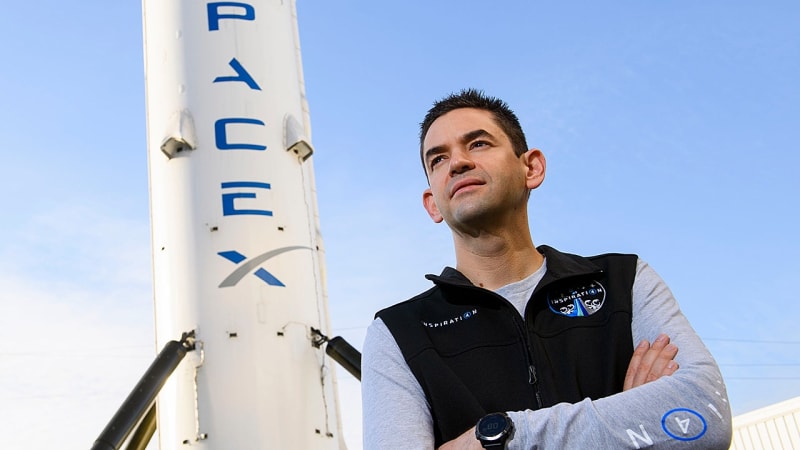
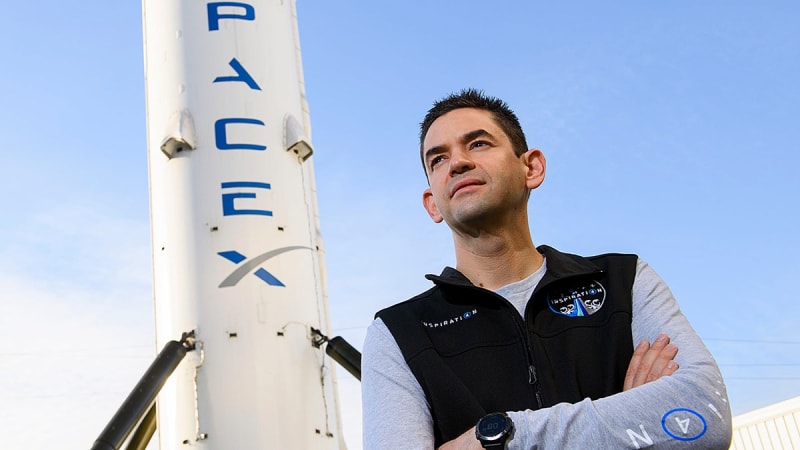
The 43-year-old administrator, who commanded the first commercial spacewalk in September 2024, is bringing his spaceflight experience to the agency. He's pushing for standardized missions with consistent launch cadence, similar to how NASA operated during its golden age from Mercury through Apollo.
The Ripple Effect spreads far beyond a few Moon landings. Building a sustained lunar presence could unlock new scientific discoveries, test technologies for future Mars missions, and inspire a new generation of engineers and scientists. The program already has the funding and resources it needs, according to Isaacman, who plans to convert more contractors into full-time NASA employees to strengthen the workforce.
America hasn't landed on the Moon since Apollo 17 in 1972, more than half a century ago. The upcoming missions aim to change that and establish permanent operations on the lunar surface.
"This is how you get back to the Moon and be able to stay," Isaacman said, noting that President Trump fully supports the accelerated timeline and sustained presence strategy.
After five decades away, Americans are finally returning to walk on the Moon and this time building a home there.
More Images

Based on reporting by Fox News Politics
This story was written by BrightWire based on verified news reports.
Spread the positivity!
Share this good news with someone who needs it